

What this work is made with
This page is a list of things, not a story. A recipe site isn’t built on words alone—it depends on the objects that shape the work, the hands that shape them, and the wear that tells their truth. Here, we name what *Cheese Recipes Block* actually relies on.
*Cheese Recipes Block* collects recipes that turn cheese into something unexpected: a rind crumbled into a salad, a wheel melted into a pasta, or a forgotten variety revived in a dish. But the recipes themselves depend on things that never make it into the final dish.
The things that do the work
These are the tools that turn cheese into a recipe. None of them are glamorous, and some are barely holding together—but they’re what makes the work possible.
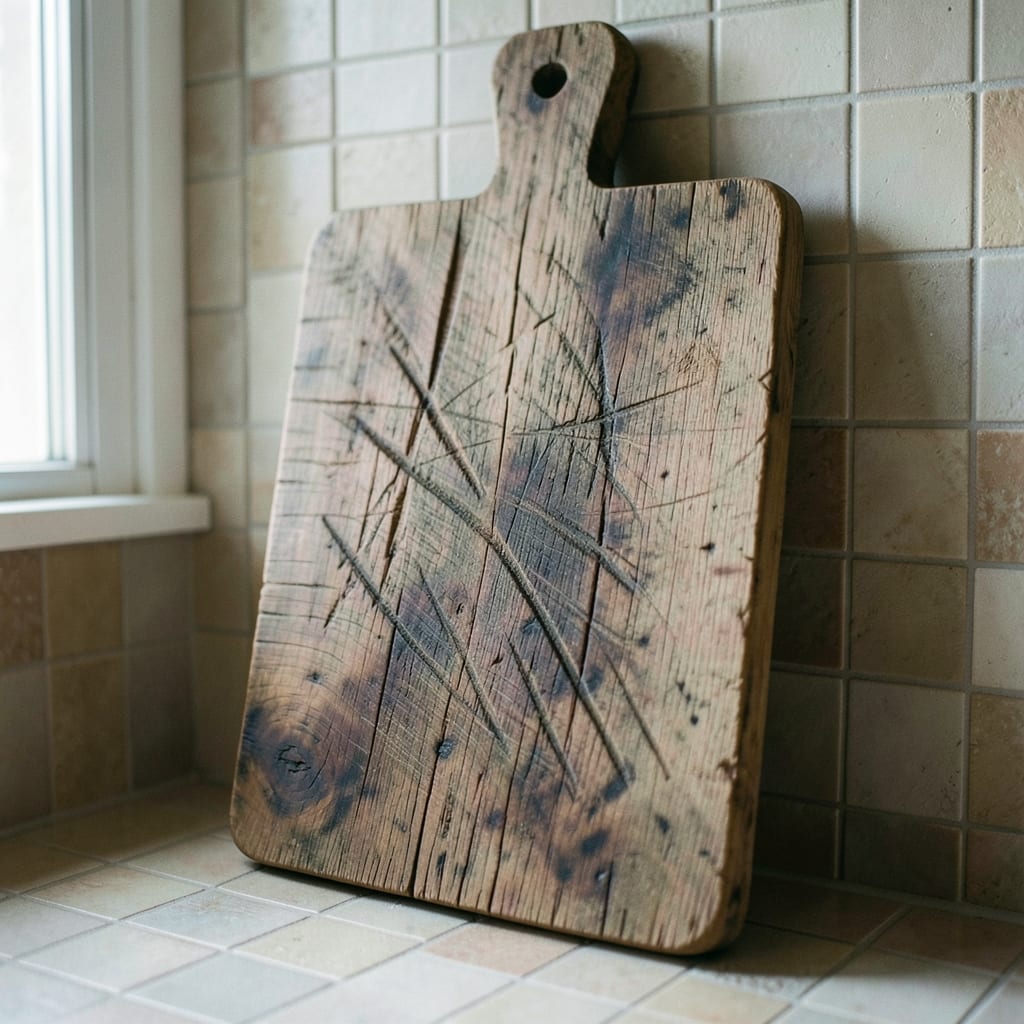
The wooden cutting board
A scarred maple board, 12 inches wide, with a split down one edge that’s been reinforced with duct tape. It’s been here since the site’s first recipe, nearly three years ago.
The split happened when a wheel of Comté slipped off the knife and landed edge-first. Now, the tape is frayed, and the board groans when pressure is applied—but it’s still the only surface that won’t dull the blade or stain the cheese.
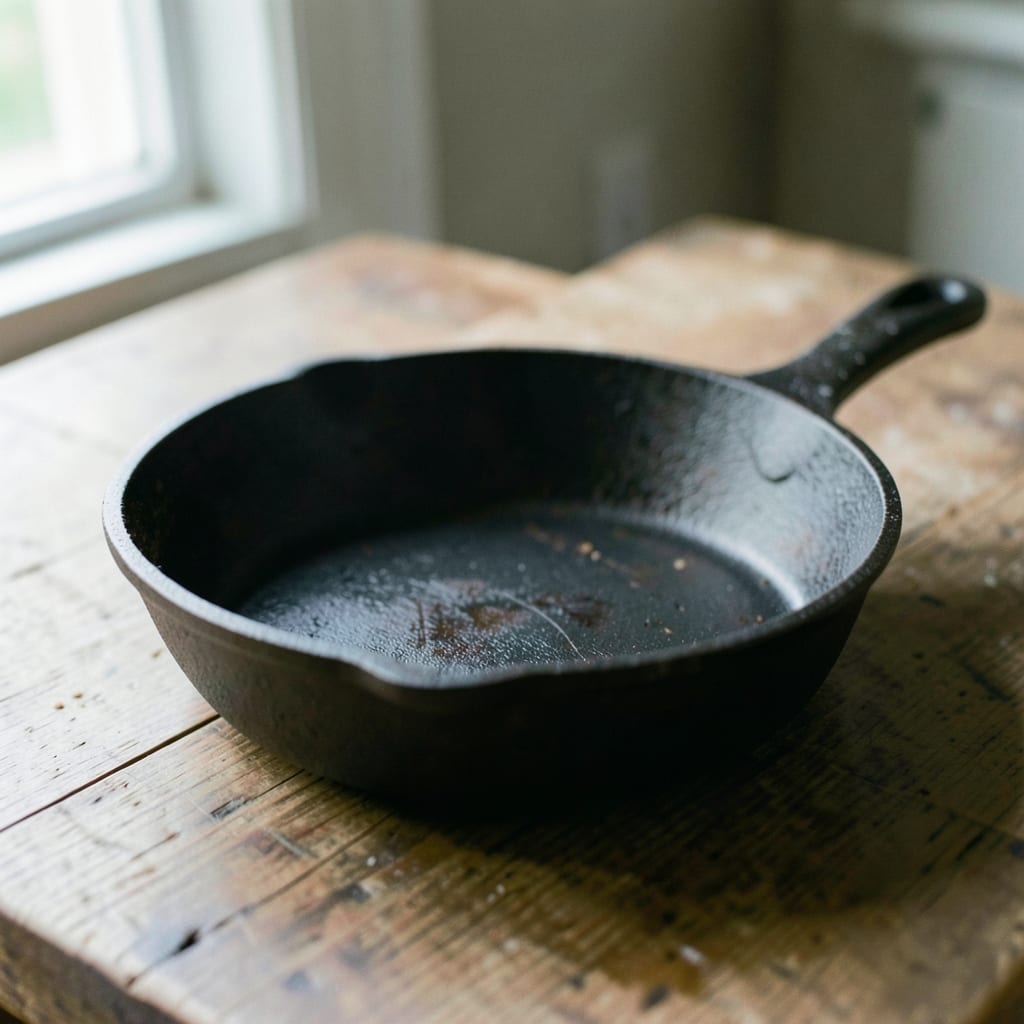
The cast-iron skillet
A 10-inch skillet with a handle so warped it’s uneven on a level surface. It’s been here since before the site launched, passed down from a neighbor who swore by it for fondue.
The warped handle means you have to grip it at an angle, but it’s the only pan that can handle the high, uneven heat needed for a perfect cheese sauce without burning the edges. The seasoning is patchy now, but it still releases cheese like butter.
The stainless steel tongs
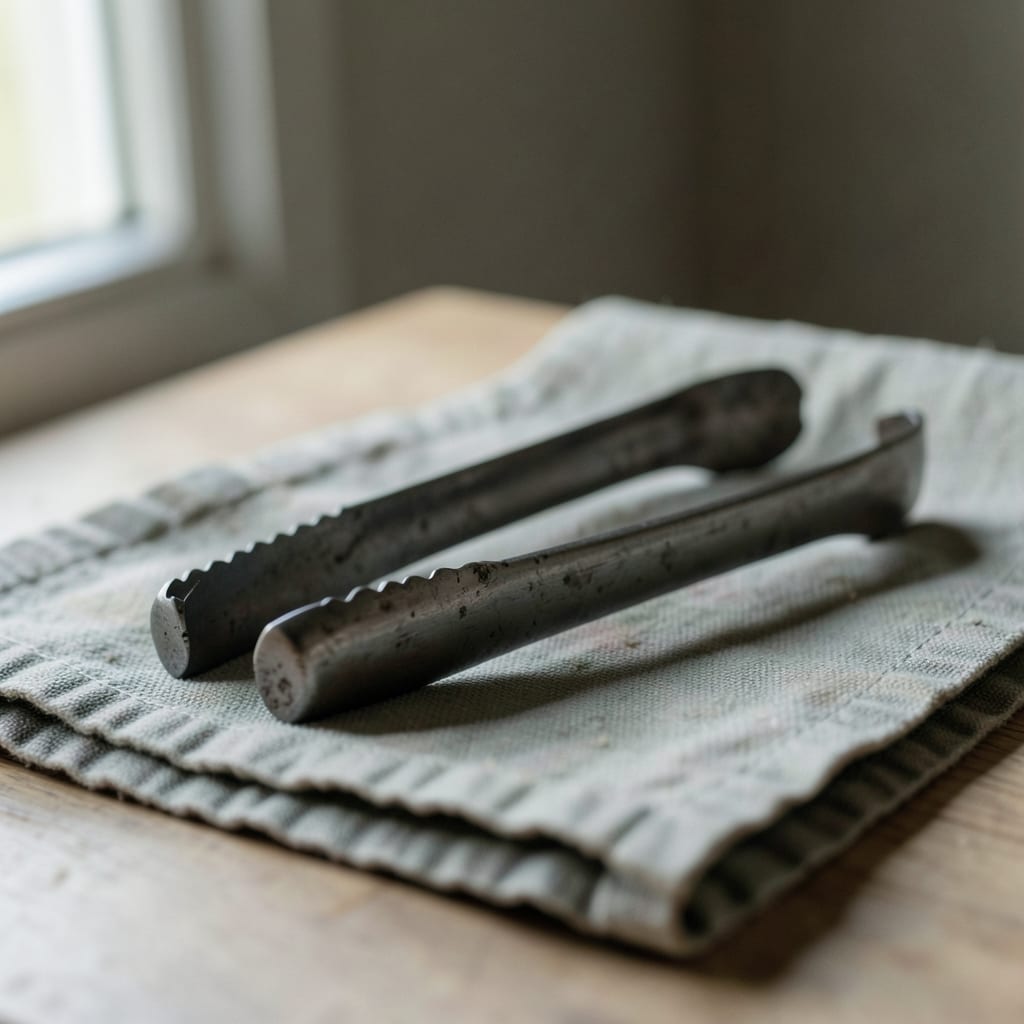
A pair of tongs with one prong bent at a 45-degree angle after dropping a block of aged Gouda. They’ve been here since the first batch of grilled cheese experiments.
The bent prong makes them useless for flipping, but it’s the only tool that can safely pull a cheese-stuck crust off a pan without tearing it. The serrations on the inside are now so worn they barely grip, but they still work for lifting.
The cotton kitchen towel
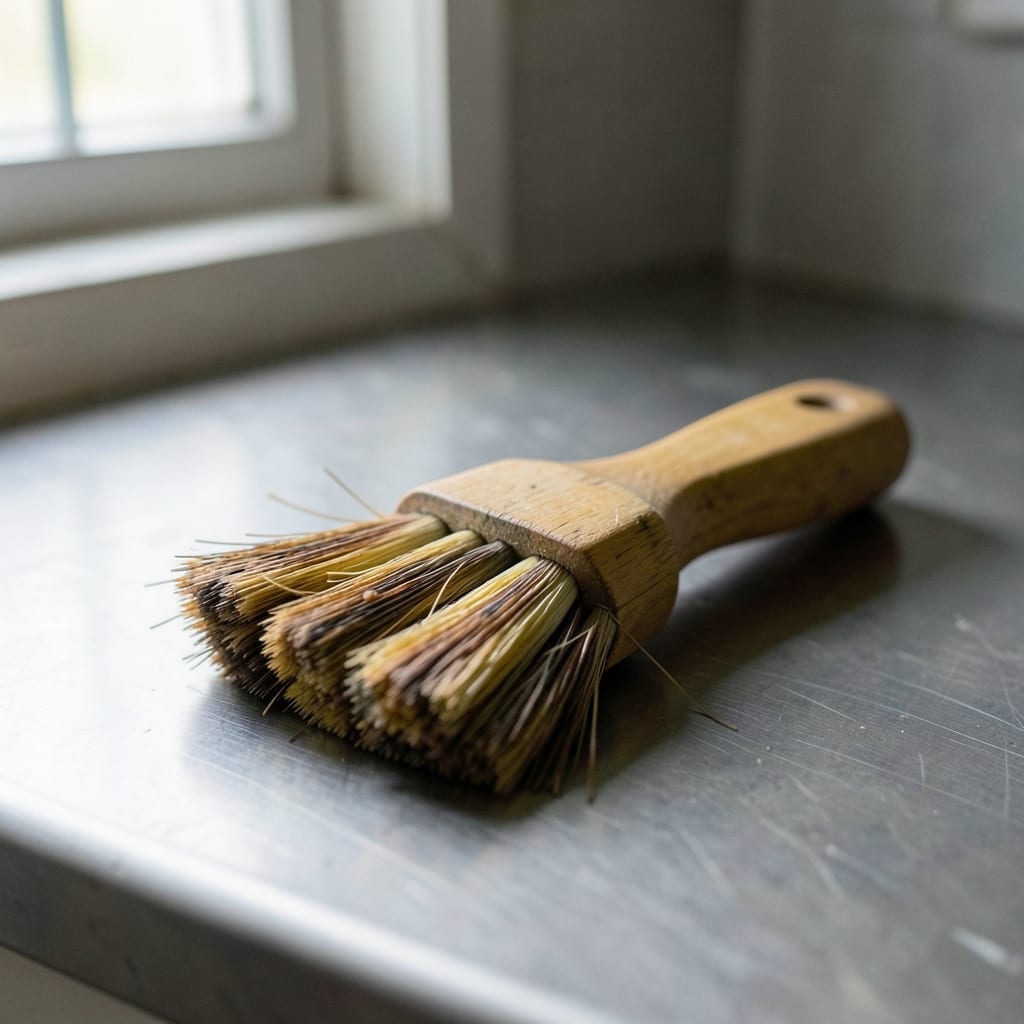
A faded blue towel with a hole near the hem, stitched shut with thick thread. It’s been here since the site’s first photo shoot, when it was used to wipe down every cheese wheel before cutting.
The hole means it can’t be used for drying—it just leaves streaks—but it’s the only thing that won’t transfer moisture or leave lint on delicate cheeses like Brie. Now, it’s reserved for the final wipe before plating.
What is not in the drawer
Some tools are left out by choice. This work doesn’t depend on them.
Deliberately absent
- A cheese grater—every recipe uses a knife for texture, because graters dull too quickly and leave uneven shreds.
- A food processor—cheese should be worked by hand when possible, to preserve flavor and avoid overheating.
- A thermometer—temperature is judged by the way cheese melts, not by a dial.
- A scale—weights are estimated by feel, because cheese varies too much in density to rely on precision.
Behind the scenes

I am Janelle Gutierrez, the founder and editor. I’m the one who decides which cheeses to feature, which recipes to test, and which tools to keep using even when they break.
What it is
I’m Janelle Gutierrez, the person who started *Cheese Recipes Block* after years of cooking for friends and realizing no one else was writing about the cheeses they loved. I’m the one who tests every recipe, adjusts for real kitchens, and decides which tools stay—and which go.
Provenance
I came to this from a childhood spent at my grandmother’s table, where cheese was never an afterthought. She’d bring home wheels from the market, tell us their stories, and teach us how to pair them with wine.
When I moved out, I kept her cast-iron skillet—and the rest is history.
Wear
This work has given me a permanent ache in my right wrist from chopping cheese all day, and a habit of noticing the way light hits a rind before I even touch it. I can’t walk past a cheese counter without imagining how it’d taste in a dish.
What it is for
I’m here to make sure every recipe on this site works—not just in theory, but in the mess of a real kitchen. That means using the right tools, even the broken ones, and trusting the hands that shaped them.
Why any of this matters to you
These objects—scarred, bent, and worn—are why the recipes here taste the way they do. The board’s split means the knife glides differently. The warped skillet teaches heat control. The bent tongs force precision. And the hole in the towel reminds us that even the best tools have limits.
When you read a recipe here, you’re not just following steps. You’re using tools that have been tested, broken, and fixed again. That’s why the results work.
Every recipe here is built on things that actually exist: a board with a split, a pan that won’t sit flat, a towel with a hole. That’s why the instructions feel real—and why the dishes turn out the way they should.
The recipes are grouped by category: Appetizers, Beverages, Breakfast & Brunch, Desserts, Main Courses and Salads.