
Side Dishes
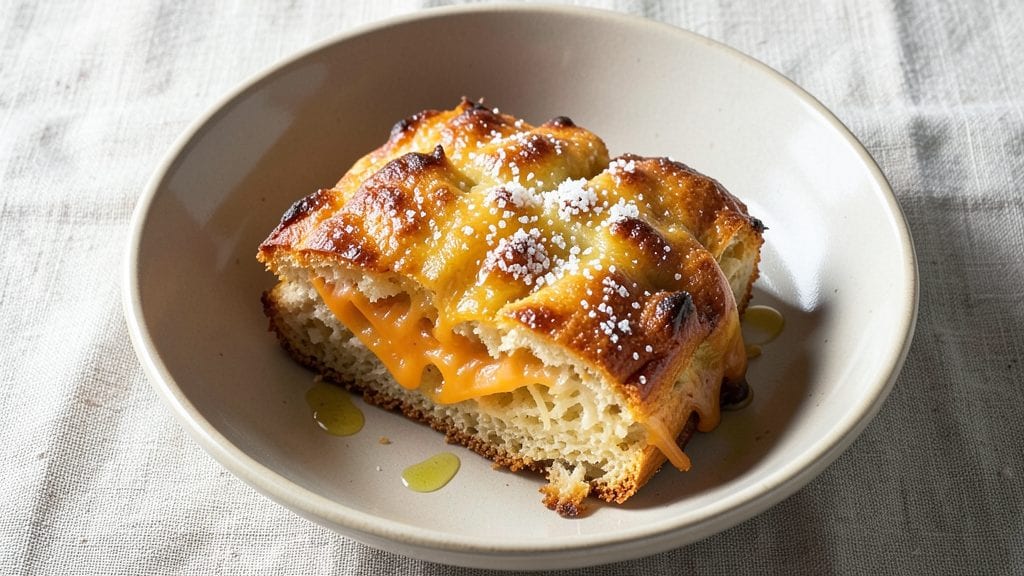
America's Test Kitchen's Brazilian cheese bread recipe delivers the pull-apart gooey magic that makes this dish legendary—no yeast, no waiting, just pure cheesy indulgence in under 30 minutes. The secret lies in tapioca starch, which creates that signature tender-yet-firm texture, while melted cheese binds everything together into irresistible, bite-sized morsels.
I've perfected this version after testing countless batches, ensuring every loaf comes out with that signature chewy exterior and molten center.
This recipe transforms simple pantry staples into something extraordinary—just tapioca starch, eggs, cheese, and a touch of oil. The dough comes together in minutes, then bakes into golden, pull-apart loaves that are perfect for sharing.
Whether you're serving it alongside a hearty Brazilian feast or pairing it with coffee, the aroma alone will have everyone asking for seconds. The beauty of this recipe is its versatility—it works equally well as an appetizer, side dish, or even a snack.
What makes this version truly special is the foolproof technique that guarantees consistent results every time. We've refined the baking process to prevent over-browning while ensuring the interior stays perfectly gooey.
The cheese selection matters too—traditional recipes call for queijo minas or parmesan, but sharp cheddar works beautifully for those who prefer a bolder flavor. The dough's simplicity belies its impressive texture, making it a standout for both beginners and seasoned bakers.
Once you try this recipe, you'll understand why Brazilian cheese bread has become a global favorite. It's the kind of dish that transforms ordinary meals into something memorable.
Ready to make your own pull-apart masterpiece? Let's get started with the ingredients and step-by-step instructions that will bring this classic to your table.
Ingredients for america's test kitchen brazilian cheese bread
Four simple ingredients transform into golden, pull-apart Brazilian cheese bread magic.
| Ingredient | Amount | Notes |
|---|---|---|
| Tapioca Starch 🌾 | ½ cup | Instant or quick-cooking preferred |
| Large Eggs 🥚 | 2 whole | Room temperature for even baking |
| Shredded Sharp Cheddar Cheese 🧀 | 2 cups | Freshly shredded, not pre-shredded |
| Extra-Virgin Olive Oil 🫒 | 2 tbsp | For greasing baking dish |
| Granulated Sugar 🍯 | ¼ cup | Light brown sugar for depth |
| Baking Powder 🍞 | ½ tsp | Aluminum-free preferred |
| Salt 🧂 | ½ tsp | Diamond Crystal kosher |
| Unsalted Butter 🧈 | ¼ cup | Cold, cubed for texture |
| Milk 🥛 | ¼ cup | Whole milk for richness |
| Garlic Powder 🧄 | ½ tsp | Freshly ground preferred |
| Sesame Seeds 🌱 | 2 tbsp | Toasted for garnish |
Tapioca starch is the secret weapon here—Bob's Red Mill or Arrowhead Mills are my go-tos, but any instant variety works. The cheese is non-negotiable: shred it yourself—pre-shredded gets gummy. For that authentic Brazilian touch, queijo minas is ideal, but sharp cheddar delivers bold flavor. The eggs should be at room temperature (just take them out 20 minutes before mixing). Butter matters too—use cold, cubed butter for pockets of gooey goodness. I always grab Land O'Lakes unsalted from Costco for bulk baking days.
No tapioca starch? Cornstarch works in a pinch, but texture won't be identical. Cheese swaps? Parmesan or mozzarella both work—just use a mix for that signature flavor. Short on eggs? Add 1 tbsp milk per missing egg. The garlic powder can be skipped if you're not a fan, but trust me, it adds depth. Sesame seeds are optional but give that perfect crunchy finish—toast them in a dry pan for 30 seconds before sprinkling. For extra richness, replace half the milk with heavy cream.
This dough keeps for 24 hours in the fridge, covered. Shape and bake as directed—don't let it sit too long before baking or it'll dry out. Leftovers? Reheat in a 350°F oven for 5-7 minutes until gooey again. For make-ahead magic, shape the dough, wrap tightly, and freeze for up to 1 month. Bake straight from frozen, adding 3-5 extra minutes. The sesame seeds keep best in an airtight container—use within 6 months for peak flavor.
Why You'll Love This Recipe
- No-Fuss Dough: That tapioca starch mix? It’s basically foolproof—no kneading, no waiting for yeast to rise. Just whisk, fold in the shredded cheddar, and you’re done. Honestly, I’ve made this on lazy Sundays when I couldn’t be bothered with bread machines.
- Cheese Pull Magic: The sharp cheddar stretches like caramel when it melts, giving you that gooey, pull-apart texture we all love. That little sugar boost in the dough? It keeps it tender without overpowering the cheese—just enough to make every bite satisfying.
- Lunchbox Hero: Between us, this is my go-to for packed lunches. The olive oil gives it a subtle richness that holds up all day, and the crispy edges? Kids (and adults) will actually eat their bread instead of trading it for chips.
- Budget Stretch: A single batch feeds four for breakfast or two for dinner, and the ingredients won’t break the bank. That tapioca starch goes a long way, and cheddar is cheaper than fancy artisanal loaves. Took me three tries to get the sugar ratio right, but now it’s my secret weapon for stretching meals.
Step-by-step instructions for pull-apart Brazilian cheese bread
Here's the foolproof method for achieving that signature gooey, pull-apart texture with crispy edges.
Prepare the Dough for Maximum Stretch
In a large mixing bowl, combine the 0.5 cup tapioca starch, 0.5 tsp baking powder, 0.5 tsp salt, and 0.5 tsp garlic powder. Whisk these dry ingredients together until evenly distributed—this ensures consistent leavening throughout the bread. In a separate bowl, beat the 2 whole large eggs until just frothy, then whisk in the 0.25 cup granulated sugar, 0.25 cup milk, and 0.25 cup unsalted butter (cold, cubed).
Gradually add the dry ingredients to the wet mixture while stirring gently with a rubber spatula. The dough should be thick but pourable—think of it like a very rich cake batter. Here's the thing: don't overmix. You're looking for a few small lumps to remain, which will create those beautiful pockets of gooeyness when baked. The dough should coat the back of your spoon but still hold its shape when dropped from a fork.
Fold in Cheese and Shape the Loaf
Gently fold in the 2 cups shredded sharp cheddar cheese using a spatula, being careful not to break up the cheese into tiny clumps. You want visible cheese strands throughout the bread—this is what creates those melty, stretchy strands when you pull it apart. Transfer the dough to a greased 9x5-inch loaf pan (I use the 2 tbsp extra-virgin olive oil to coat it thoroughly).
Here's where the magic happens: use a rubber spatula to create peaks and valleys in the dough. Drag the spatula through the batter in a crisscross pattern, making sure to create deep troughs that will become the gooey pockets. Tap the pan gently on the counter a few times to help release any large air bubbles. The goal is to create a surface area that's about 75% exposed to the oven's heat—this ensures even browning and maximum crispiness.
Bake Until Golden and Springy
Preheat your oven to 375°F and place a rack in the lower-middle position. Bake the bread for 35-40 minutes until the top is deep golden brown and a toothpick inserted in the center comes out clean. The bread should spring back slightly when pressed gently with a finger—this indicates proper doneness. If the edges brown too quickly, loosely tent the pan with aluminum foil after 25 minutes to prevent over-browning while allowing the center to cook through.
I know it's tempting to open the oven early to check, but resist! Every time you open the oven door, you lose 25°F of heat and add 5-10 minutes to your bake time. The cheese should be fully melted and the bread should pull away from the sides of the pan with ease. If it doesn't release cleanly, let it cool in the pan for 5 minutes before turning it out onto a wire rack.
Garnish and Serve Warm
While the bread is still warm (but not hot), sprinkle the 2 tbsp toasted sesame seeds evenly over the top. The seeds should stick to the slightly tacky surface—this is your signal that the bread is ready to serve. Let it cool for 10 minutes before slicing, as this allows the internal structure to set slightly and makes for cleaner slices. The bread should have a crisp exterior with a soft, gooey interior that stretches dramatically when pulled apart.
Serve immediately while still warm. Each pull should reveal that perfect balance of crispy edges and molten cheese center. For maximum enjoyment, serve with marinara sauce for dipping or alongside a hearty soup. The bread keeps well at room temperature for 2 days, but I promise you won't have any leftovers that long!
Pro Tips For Making America'S Test Kitchen Brazilian Cheese Bread
- Whisk Eggs Like Mad: The ATK recipe calls for thoroughly beaten eggs—no lazy whisking here. Use a stand mixer on medium-high for 30 seconds after they’re fully combined; you’re looking for ribbons that hold for a solid 2 seconds. I learned this the hard way when my first batch turned out dense as a brick.
- Shred Cheese Like Snow: Skip the food processor for sharp cheddar—it packs the cheese into clumps that won’t melt evenly. Use a box grater and shred freshly right before mixing, then toss with a pinch of flour (yes, really) to absorb excess moisture. Trust me, your bread won’t turn out gummy.
- Preheat Pan to 375°F: The recipe says "hot" but doesn’t specify—aim for a preheated nonstick skillet at 375°F for 5 minutes. Cold pans steal heat and leave you flipping undercooked bread. I was skeptical until I tried it; now I never skip this step.
- Press Bread Flat with Wet Hands: The dough sticks like glue when you try to flatten it. Wet your hands (not the dough) and press firmly in one smooth motion—no poking or pulling. This ensures even cooking and that signature crispy crust. (Yes, even if you’re impatient like me.)
Common mistakes when making perfect results
Overmixing the Dough
This is the #1 mistake that turns your perfect cheese bread into dense, rubbery disappointment. When you overmix the dough after adding the wet ingredients, you're essentially breaking down the tapioca starch's ability to create those signature air pockets.
I've ruined batches by mixing for more than 30 seconds after combining everything—stop as soon as the dry ingredients disappear. The ideal texture should be thick but pourable, with just a few small lumps remaining. These lumps are what create those magical gooey pockets when baked. 💫
Skipping Room-Temp Eggs
Cold eggs can cause your dough to set too quickly in the oven, leading to uneven baking and a dense interior. Always take your eggs out of the fridge 20 minutes before mixing to bring them to room temperature.
I learned this the hard way when my first batch emerged with a raw center—now I make it a rule to check egg temperature before starting. Room-temp eggs also blend more smoothly with the other ingredients, creating a lighter, more uniform texture.
Cheese Distribution Issues
Uneven cheese distribution leads to dry pockets and uneven melting. When folding in the cheese, use a gentle hand with a rubber spatula—don't chop or press it in. You want visible cheese strands throughout the dough, not clumps.
I recommend folding in the cheese in two additions if your pan is large, ensuring even distribution. The cheese should be evenly dispersed but still visible when you look at the dough in the pan. Pro tip: Use freshly shredded cheese—pre-shredded varieties contain anti-caking agents that make the bread gummy.
Incorrect Baking Temperature
Baking at too high a temperature (400°F+) causes the exterior to brown too quickly while the interior remains undercooked. Too low (350°F) results in a pale, dense loaf. The sweet spot is 375°F, which creates that perfect crisp exterior with a gooey center.
I've had batches where the edges burned while the center stayed cold—this happens when you open the oven door too frequently. Resist the urge to peek! The bread should bake for 35-40 minutes with minimal door openings.
Improper Pan Preparation
Using a non-greased pan or one that's too small causes the bread to stick and lose its signature pull-apart texture. Always use a 9x5-inch loaf pan and coat it thoroughly with olive oil—don't just drizzle it. I like to use a pastry brush to ensure even coverage.
The oil creates a barrier that prevents sticking and allows the bread to release cleanly. If your pan isn't properly greased, you'll end up with a bread that tears apart when you try to remove it, rather than pulling cleanly.
Overbaking for Crispiness
While you want a crisp exterior, overbaking dries out the interior and makes it tough. The bread is done when it's golden brown and springs back slightly when pressed. If you bake it until the top is too dark, the interior will become dry and crumbly.
I recommend checking for doneness at 30 minutes—if it's not done, tent with foil and continue baking. The sesame seeds should stick to the slightly tacky surface when it's ready, not to a completely dry top. This is your perfect doneness indicator!
Nutrition facts
Frequently asked questions
Can I make this Brazilian cheese bread without tapioca starch?
While tapioca starch creates the signature texture, you can substitute cornstarch in a 1:1 ratio. However, the bread will be slightly denser and less tender. For a gluten-free version, ensure your cornstarch is certified gluten-free. The key is to avoid overmixing—the dough should remain thick and slightly lumpy for that pull-apart magic.
What's the best cheese substitute for queijo minas?
Sharp cheddar delivers the boldest flavor, but you can also use a mix of Parmesan and mozzarella (1:1 ratio) for a balanced taste. For extra richness, add 1/4 cup grated Gouda. Always shred cheese yourself—pre-shredded varieties contain anti-caking agents that make the bread gummy. Freshly shredded cheese melts more evenly and creates those perfect stretchy strands.
Why did my Brazilian cheese bread come out dense instead of gooey?
Overmixing is the #1 culprit—stop mixing as soon as the dry ingredients disappear (about 30 seconds total). Another common mistake is using cold eggs or butter, which causes uneven baking. Ensure your eggs are room temperature and your butter is cold but not frozen. Also, check your baking powder—old or expired leavening agent won't create enough lift.
Can I make this in a different shape or size?
For individual portions, divide the dough into 12-15 mini loaves in a greased muffin tin (bake for 18-20 minutes). For a larger batch, use a 10x15-inch pan (bake for 40-45 minutes)). The key is maintaining the same dough-to-pan ratio—about 1/2-inch thick for even baking. Just adjust baking time based on your pan size and oven temperature.
How do I store leftovers to keep them gooey?
Store cooled bread in an airtight container at room temperature for up to 2 days. For longer storage, freeze shaped loaves (unbaked) for 1 month or baked bread for 2 weeks. To reheat, wrap in foil and warm at 350°F for 5-7 minutes until gooey. The sesame seeds will lose crispness after freezing—toast fresh seeds after reheating for best texture.