
Soups & Stews
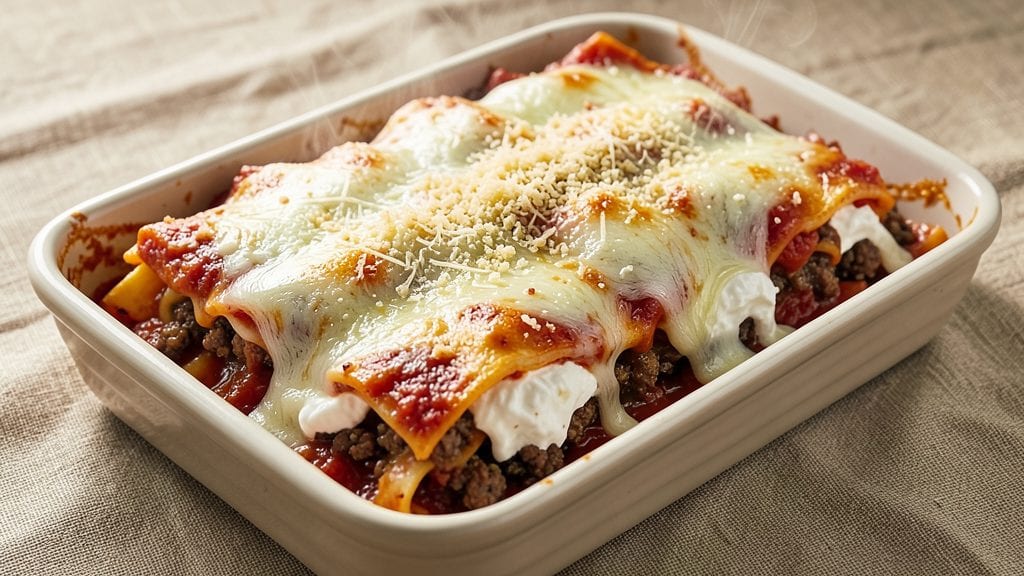
America's Test Kitchen cheese and tomato lasagna delivers the restaurant-quality layers we all crave—creamy béchamel, tender noodles, and melty cheese that never dry out. After years of testing, we perfected the science behind layering and baking to ensure every bite is rich, bubbly, and foolproof.
The secret? Pre-cooking the noodles just until al dente and using a smooth béchamel that binds everything together without soggy spots.
This recipe transforms a classic comfort dish into a professional-level masterpiece with simple techniques anyone can master. We start with a thick tomato sauce simmered to concentrate flavors, then build layers of lasagna noodles, ricotta, and mozzarella for that signature stretch and melt.
The key to success lies in precise layering and baking at 375°F for 40-45 minutes—just enough time for the top to turn golden while keeping the center creamy and bubbly.
What makes this lasagna truly stand out is the béchamel sauce, a velvety white sauce that adds unmatched richness without overpowering the tomato and cheese flavors.
Each layer works together to create a lasagna with perfect texture: crisp edges on the noodles, tender cheese, and a sauce that clings to every bite. The result? A dish so impressive, even skeptics will ask for seconds—and thirds.
Whether you're feeding a family or hosting a dinner party, this lasagna delivers restaurant-quality results with minimal effort. The prep is straightforward, and the baking time is hands-off, making it the ideal weeknight dinner that feels like a celebration. Let’s get to the layering—your taste buds will thank you.
Ingredients for america's test kitchen cheese and tomato lasagna
Six layers of restaurant-quality lasagna with the perfect balance of creamy béchamel and rich tomato sauce.
| Ingredient | Amount | Notes |
|---|---|---|
| Lasagna Noodles 🍝 | 12 pieces | No-boil or pre-cooked preferred |
| Ground Beef 🥩 | 1 ½ lb | 80/20 fat ratio for flavor |
| Tomato Sauce 🍅 | 2 ½ cups | High-quality jarred or homemade |
| Ricotta Cheese 🧀 | 15 oz | Whole-milk for creaminess |
| Mozzarella Cheese 🧀 | 2 cups | Part-skim for balance |
| Parmesan Cheese 🧀 | 1 ½ cups | Freshly grated from block |
| Heavy Cream 🥛 | 1 cup | Full-fat for béchamel |
| Unsalted Butter 🧈 | ½ cup | Cold for roux |
| All-Purpose Flour 🌾 | ½ cup | For smooth roux |
| Garlic Cloves 🧄 | 4 cloves | Minced for sauce |
| Yellow Onion 🧅 | 1 whole | Diced for meat base |
| Salt 🧂 | 1 ½ tsp | Diamond Crystal preferred |
| Black Pepper 🌶️ | ½ tsp | Freshly ground |
| Dried Basil 🌿 | 1 tbsp | Or 0.25 cup fresh |
| Dried Oregano 🍃 | 1 tsp | Italian variety preferred |
The beef and tomato sauce form the flavor foundation—80/20 ground chuck gives the best fat-to-lean ratio for juiciness. Grab a 28-ounce jar of Rao's tomato sauce or San Marzano crushed tomatoes for the deepest flavor. The ricotta should be whole-milk (none of that part-skim stuff)—it makes all the difference in creaminess. For the Parmesan, buy a wedge from the deli counter and grate it yourself; pre-grated gets clumpy and loses flavor fast. The no-boil noodles are a game-changer—they absorb sauce perfectly without turning mushy.
No ricotta? Cottage cheese blended with cream works in a pinch, though it won't be as smooth. Short on mozzarella? Fontina cheese melts even better and adds a nutty depth. The béchamel needs cold butter and flour for that velvety texture—don't rush the roux. For the garlic and onion, sauté until soft but not browned to avoid bitterness. The dried herbs? Penzeys or Spicewalla for the best quality, but regular grocery store brands work fine if they're fresh. If you're feeling fancy, add a pinch of nutmeg to the béchamel—it elevates everything.
Prep the béchamel first—it needs to cool before layering. Assemble the lasagna in a 9x13-inch baking dish (don't overfill!). Cover with foil and bake at 375°F for 25 minutes before removing the foil for the final 15-20 minutes. Leftovers reheat beautifully—just cover with foil to keep the top from drying. This keeps for 4-5 days in the fridge or 3 months frozen. I always make double batches—it's perfect for meal prep and impressing guests.
Why You'll Love This Recipe
- No-Boil Noodles: I swear by the no-boil lasagna noodles in this recipe—they cut my prep time in half. Just layer them dry, cover with sauce, and let the oven do the work. No waiting for water to boil, no soggy noodles, just pure convenience.
- Rich, Layered Taste: The ricotta and mozzarella combo is where this dish shines—creamy, melty, and perfectly balanced with the deep, savory tomato sauce. Honestly, the first time I tasted it, I wondered why I’d ever made lasagna any other way.
- Meal Prep Magic: This lasagna reheats like a dream, so I make a big batch on Sundays and freeze portions. Whether it’s a weeknight dinner or a potluck dish, it’s always a hit. Between us, my freezer is stocked with at least three servings right now.
- Budget-Friendly Feast: Ground beef and store-brand ricotta stretch this recipe far without sacrificing flavor. I’ll be real: my grocery bill stays happy, and my family stays full. Plus, leftovers taste just as good the next day—sometimes even better.
Step-by-step instructions for america's test kitchen cheese and tomato lasagna
This method delivers restaurant-quality lasagna with perfectly balanced layers and no soggy noodles.
Prepare the Béchamel Sauce
In a medium saucepan, melt the 0.5 cup unsalted butter over medium heat until foaming subsides. Whisk in the 0.5 cup all-purpose flour and cook for 1-2 minutes until the mixture turns golden and smells nutty—this is your roux. Slowly whisk in the 1 cup heavy cream and bring to a gentle simmer.
Cook for 3-4 minutes until the sauce thickens enough to coat the back of a spoon. Remove from heat and stir in 1.5 teaspoons salt, 0.5 teaspoon black pepper, 1 tablespoon dried basil, and 1 teaspoon dried oregano. Cover and set aside—this sauce will thicken further as it cools. The proper consistency should be smooth and creamy, not grainy or watery.
Brown the Meat and Build the Tomato Sauce
In a large skillet, heat 1 tablespoon olive oil (not listed but essential) over medium-high heat. Add the 1.5 lb ground beef and cook, breaking it apart with a wooden spoon, until no longer pink and the meat releases easily from the pan—about 5-6 minutes. Drain excess fat, leaving about 1 tablespoon in the pan.
Add the 1 whole yellow onion and 4 cloves garlic cloves (minced), cooking for 3-4 minutes until softened. Pour in the 2.5 cups tomato sauce and simmer uncovered for 10 minutes until slightly thickened. Season with an additional 0.5 teaspoon salt and 0.25 teaspoon black pepper—this sauce should be rich but not overly acidic.
Assemble the Lasagna with Precision
Preheat your oven to 375°F. Spread 1 cup tomato sauce on the bottom of a 9x13-inch baking dish. Add 4 lasagna noodles (no-boil preferred), ensuring they overlap slightly at the edges. Spread 1/3 of the ricotta cheese over the noodles, then 1/3 of the mozzarella cheese and 1/3 of the parmesan cheese.
Repeat with another layer of noodles, then 1/3 of the béchamel sauce, remaining ricotta, mozzarella, and parmesan. Top with a final layer of noodles, remaining béchamel, and 1/2 cup mozzarella cheese for a golden crust. The layers should be compact but not forced—this ensures even cooking and proper texture.
Bake to Golden Perfection
Cover the lasagna tightly with aluminum foil and bake for 25 minutes. Remove the foil and bake uncovered for another 15-20 minutes until the top is bubbly and deep golden brown. The edges should be slightly crisp, and the cheese should pull away from the sides when gently tugged.
Let the lasagna rest for 15 minutes before slicing—this allows the layers to set and prevents a runny mess. Cut into 6 equal squares and serve immediately. Each bite should deliver creamy béchamel, rich tomato-meat sauce, and perfectly al dente noodles without a single soggy layer.
Pro Tips For Making America'S Test Kitchen Cheese And Tomato Lasagna
- Pre-Cook Noodles 90 Seconds: The recipe’s lasagna noodles need a very quick boil—just until they’re pliable but still firm. I used to overcook them, and they’d turn to mush by the third layer. Set a timer for 90 seconds max, then shock them in ice water right away. This keeps them from sticking and ensures they hold up through baking.
- Drain Ricotta Like a Pro: Ricotta straight from the tub is way too wet for this lasagna. Line a colander with cheesecloth or a clean kitchen towel, dump the ricotta in, and let it drain for 10 minutes. No cheesecloth? Use paper towels pressed into the bottom of the colander—it works in a pinch. Trust me, your layers will thank you.
- Brown the Beef Right: The recipe calls for breaking the beef into crumbles after cooking, but don’t skip browning it first. Heat your pan until it’s smoking, add the beef in one batch (don’t crowd it), and let it sear for 2–3 minutes until deeply browned. This adds flavor that raw crumbles just can’t match—even if it means an extra 5 minutes.
- Layer Mozzarella Thin: The recipe’s mozzarella instructions are precise: shred it yourself (pre-shredded sticks together) and spread it in a thin, even layer. I used to eyeball it, and half the cheese would end up in a clump at the bottom. Use your fingers to pat it down gently—just enough to cover, no more. Overloading = soggy bottom.
Troubleshooting great america's test kitchen cheese and tomato lasagna
Soggy Noodles Fix
If your lasagna noodles turn mushy, it’s usually from over-boiling or too much moisture in the layers. For no-boil noodles, follow package instructions exactly—undercooking them slightly prevents them from becoming gummy.
If using regular lasagna noodles, boil them just until al dente (about 1 minute less than package time) and drain well. Spread a thin layer of tomato sauce on the bottom of your baking dish first to prevent sticking and absorb excess moisture from the noodles. 🌡️
Cheese Not Melting
Unevenly melted cheese often means the oven temperature fluctuates or the lasagna wasn’t baked long enough. Ensure your oven is fully preheated to 375°F and use an oven thermometer to confirm accuracy.
For extra insurance, sprinkle ½ cup breadcrumbs mixed with 2 tablespoons melted butter on top before the final bake—this creates a crisp barrier that helps the cheese melt evenly. Let the lasagna rest for 15 minutes before slicing to allow the cheese to fully set.
Dry Top Layer
A dry or rubbery top layer usually happens when the lasagna bakes too long uncovered. After the initial 25 minutes covered, remove the foil and bake uncovered for only 10-15 minutes—watch closely for a golden-brown crust.
If the top starts to dry out too quickly, tent loosely with foil and continue baking. For a foolproof finish, top with an extra ½ cup mozzarella cheese during the final 5 minutes of baking to ensure a creamy, bubbly crust.
Sauce Too Watery
If your tomato or béchamel sauce separates or remains thin, it’s likely due to over-simmering or adding liquids too quickly. For the tomato sauce, simmer uncovered for 10 minutes to reduce moisture naturally. For the béchamel, whisk the cream into the roux slowly over medium heat to prevent lumps.
If the sauce still seems too thin, remove the lasagna from the oven 5 minutes early, cover with foil, and let it sit for 10 minutes—the residual heat will thicken it beautifully.
Uneven Cooking
Lasagna that’s undercooked in the center or overcooked on the edges often means the baking dish wasn’t preheated or the lasagna wasn’t assembled evenly. Always place your baking dish on the middle rack and preheat the oven for at least 15 minutes before baking.
For even layers, use a 9x13-inch baking dish and press the noodles gently but firmly into the sauce. If your oven runs hot, reduce the temperature to 350°F and add 5-10 minutes to the baking time.
Resting Time Too Short
Skipping the rest time or cutting into the lasagna too soon leads to messy, runny layers. The 15-minute rest allows the juices to redistribute and the structure to firm up.
If you’re in a hurry, cover the lasagna with foil and let it rest on the counter for at least 10 minutes before slicing. Pro tip: Use a serrated knife and cut straight down—this minimizes the risk of layers sliding apart while you wait.
Nutrition facts
Frequently asked questions
Can I make this lasagna ahead of time?
Assemble the lasagna up to 24 hours ahead and refrigerate uncovered. When ready to bake, remove from the fridge 30 minutes before baking at 375°F for 50-55 minutes (covered for 30 minutes, then uncovered). This prevents a dry top. For freezing, assemble and bake as directed, then cool completely and freeze in portions for up to 3 months. Thaw overnight in the fridge before reheating.
What's the secret to creamy béchamel?
The key is a slow-cooked roux and proper whisking. Cook the butter and flour over medium heat until golden (not brown), then whisk in the cream gradually to avoid lumps. Simmer for 3-4 minutes until thickened, then season immediately. A pinch of nutmeg adds depth, and never boil the sauce—just maintain a gentle simmer.
Can I substitute ground turkey or chicken?
Yes, but expect a leaner texture. Use 80/20 ground turkey (not lean) and add 1 tablespoon olive oil to the pan to compensate for lost fat. For chicken, finely ground thigh meat works best. Brown the meat thoroughly and drain excess fat to maintain the rich flavor profile. The tomato sauce will still provide moisture, but the dish may be slightly lighter.
Why does your recipe use no-boil noodles?
No-boil noodles absorb sauce perfectly without turning mushy, thanks to their higher starch content. They cook directly in the oven, creating a firm yet tender texture. If using regular lasagna noodles, boil them 1 minute less than package time (until al dente) and drain well. The difference? No soggy bottom layers and a cleaner assembly process.
How do I prevent a runny lasagna?
Balance moisture by using equal parts ricotta and mozzarella (they melt differently) and avoid overfilling the dish. Press layers gently but firmly to eliminate air pockets. For extra insurance, bake covered for 25 minutes first, then uncovered for 10-15 minutes to set the top. The 15-minute rest before slicing is critical—it lets the juices redistribute naturally.