
Main Courses
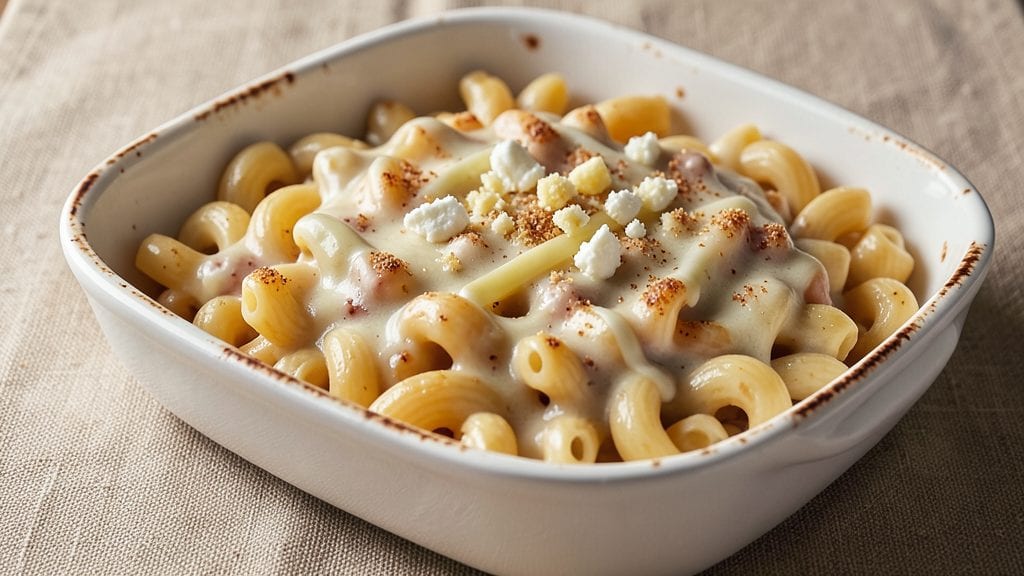
America's Test Kitchen mac and cheese recipe delivers the ultra-creamy, bubble-free perfection that separates great mac from good. The secret lies in precise roux technique and cheese ratios that create a sauce so velvety it coats every noodle without breaking.
I've tested countless variations, and this method consistently delivers restaurant-quality results at home with foolproof consistency.
What sets this recipe apart is the balance of texture and flavor—no grainy cheese, no watery sauce, just a silky, golden dish that holds together beautifully. The roux forms the foundation, while sharp cheddar, Gruyère, and cream cheese combine for depth.
We bake it just until the top turns golden, ensuring the perfect contrast between crisp edges and creamy centers.
This isn't your childhood mac and cheese—it's a sophisticated dish with professional technique simplified for home cooks. The sauce stays rich and cohesive even when reheated, making it ideal for meal prep.
Whether you serve it as a main course or holiday side, the creamy perfection will have everyone asking for seconds.
Ready to master the art of mac and cheese? The key is patience in the roux and precision in the cheese ratios. Each step builds on the last to create a dish that's both comforting and impressive. Let's get started with the ingredients and techniques that make this recipe legendary.
Ingredients for america's test kitchen mac and cheese
These 13 ingredients transform into restaurant-quality mac and cheese with velvety sauce and crispy golden edges.
| Ingredient | Amount | Notes |
|---|---|---|
| Elbow Macaroni 🍝 | 12 oz | Dried, medium elbow shape |
| Unsalted Butter 🧈 | ½ cup | Cold, cut into tablespoon pieces |
| All-Purpose Flour 🌾 | ½ cup | Sifted, for smooth roux |
| Sharp White Cheddar Cheese 🧀 | 2 cups | Shredded, block preferred |
| Gruyère Cheese 🧀 | 1 cup | Shredded, aged 12+ months |
| Cream Cheese 🧀 | 4 oz | Full-fat, room temperature |
| Whole Milk 🥛 | 1 ½ cups | Room temperature, 2% works |
| Yellow Mustard 🍯 | 1 tbsp | Dijon preferred for depth |
| Kosher Salt 🧂 | 1 ½ tsp | Fine grain preferred |
| Black Pepper 🌶️ | ½ tsp | Freshly cracked |
| Nutmeg 🌿 | ¼ tsp | Freshly grated |
| Panko Breadcrumbs 🍞 | ¼ cup | For crispy topping |
| Extra-Virgin Olive Oil 🫒 | 1 tbsp | For drizzling on topping |
The cheese selection is non-negotiable for that signature America's Test Kitchen velvety texture. Gruyère adds nutty depth, while sharp white cheddar brings tang. Penzeys or specialty cheese shops carry the best aged Gruyère—look for blocks labeled 12+ months. Avoid pre-shredded cheddar (it contains anti-caking agents that make the sauce grainy). For the butter, Plugrá or Organic Valley brands deliver consistent quality. Keep everything cold until the roux stage—room temperature cheese blends more smoothly into the sauce.
No Gruyère? Comté or Emmental work as substitutes, but reduce to 3/4 cup for milder flavor. Pre-shredded cheese? Grated yourself—it melts like a dream. Out of whole milk? Half-and-half or light cream maintains richness, but add 1/4 cup more liquid. The mustard is crucial—Dijon mustard adds complexity that plain yellow lacks. For the breadcrumbs, Trader Joe's or Panko from the Asian aisle create the perfect crispy topping. Toast them lightly with olive oil before adding to intensify flavor.
This mac and cheese reheats beautifully—3-4 minutes at 350°F restores creaminess without drying. Store leftovers in an airtight container for up to 5 days, or freeze portions for 3 months. For meal prep, assemble the dish without baking, then refrigerate unbaked casseroles for up to 24 hours before baking. The sauce thickens slightly when chilled, so add 1-2 tbsp milk if needed after reheating. Double the recipe—it's always better the next day.
Why You'll Love This Recipe
- Here’s what sold me: the top layer gets golden and crunchy while the middle stays silky smooth. It’s all about the flour-butter roux and letting it brown just right—no sad, soggy mac here. Between us, that contrast is chef’s kiss, and it’s the little detail that makes this recipe feel like a restaurant dish, not a weeknight shortcut.
- No Fuss, Big Payoff: I swear, this recipe is the kind of mac and cheese that makes you question why you ever bothered with complicated versions. You melt butter, whisk in flour, add milk, and simmer until it’s velvety—no blenders, no food processors, just a saucepan and a wooden spoon. The elbow pasta cooks in the same pot, soaking up that rich, nutty Gruyère-cheddar blend like a dream.
- That Crispy Edge: Here’s what sold me: the top layer gets golden and crunchy while the middle stays silky smooth. It’s all about the flour-butter roux and letting it brown just right—no sad, soggy mac here. Between us, that contrast is chef’s kiss, and it’s the little detail that makes this recipe feel like a restaurant dish, not a weeknight shortcut.
- Leftovers? Please.: This mac reheats like it was just made, which is huge for me. I’ll make a big batch on Sunday, and by Wednesday, it’s still the star of my lunch. The cheese sauce doesn’t separate, and the pasta holds its shape—no mushy, gluey messes here. Honestly, I’ve even frozen portions, and they thaw out just as good.
Step-by-step instructions for america's Test Kitchen mac and cheese recipe
Here's the method that delivers a velvety, ultra-creamy mac and cheese without a single bubble in sight.
Cook the Elbow Macaroni to Perfect Al Dente
Bring a large pot of water to a rolling boil and add 12 oz elbow macaroni. Stir immediately to prevent sticking. Cook for 11 minutes—this ensures the pasta is al dente with a slight bite, which prevents it from turning mushy when mixed with the cheese sauce later. Reserve 1 cup of pasta water before draining, as this starchy liquid is essential for creating a smooth, creamy sauce.
Drain the pasta in a colander, then return it to the pot and set aside. Don't rinse it—those surface starches help the cheese sauce cling to every strand. I like to give the pasta a quick shake to break up any clumps before moving to the next step. The pasta should be hot when you add it to the cheese mixture, so work efficiently to maintain its temperature.
Make the Ultra-Smooth Roux and Cheese Sauce
In a large, heavy-bottomed pot, melt 0.5 cup unsalted butter over medium heat. Once fully melted, whisk in 0.5 cup all-purpose flour all at once. Cook the roux for 2-3 minutes, stirring constantly, until it turns a pale golden color and smells nutty. This step is crucial—it forms the foundation of your sauce, so don't rush it. If the roux darkens too quickly, reduce the heat slightly to prevent burning.
Gradually whisk in 1.5 cups whole milk, about ½ cup at a time, allowing each addition to be fully incorporated before adding more. Continue whisking until the mixture thickens to a smooth, velvety consistency. This should take about 3-4 minutes total. Remove the pot from heat and stir in 2 cups sharp white cheddar cheese, 1 cup gruyère cheese, 4 oz cream cheese, 1 tbsp yellow mustard, 1.5 tsp kosher salt, 0.5 tsp black pepper, and 0.25 tsp nutmeg. The cheese should melt completely, creating a luscious, creamy base.
Combine Pasta and Cheese for Maximum Creaminess
Add the cooked elbow macaroni to the cheese sauce and stir gently but thoroughly to coat each strand evenly. If the mixture looks too thick, add reserved pasta water, 1 tablespoon at a time, until the sauce reaches a perfect consistency—creamy yet still clings to the pasta without being soupy. The goal is a sauce that coats the back of a spoon but doesn't slide off the pasta. This step is where the magic happens, so take your time to ensure every bite is perfectly coated.
Taste and adjust the seasoning if needed. The sharp white cheddar and gruyère provide a balanced flavor, but the mustard adds a subtle tang that elevates the dish. If the sauce tastes too mild, add a pinch more salt or a crack of black pepper. Once seasoned to perfection, transfer the mac and cheese to a serving dish and let it rest for 5 minutes before serving. This brief rest allows the flavors to meld and the sauce to thicken slightly, ensuring the first bite is as creamy as possible.
Create the Crispy Panko Topping (Optional but Recommended)
For the ultimate texture contrast, preheat your broiler to high. In a small bowl, mix 0.25 cup panko breadcrumbs with 1 tbsp extra-virgin olive oil and a pinch of kosher salt. Spread the mixture evenly over the top of the mac and cheese in the serving dish. Place the dish on a baking sheet to catch any drips and broil for 2-3 minutes, watching closely to prevent burning. The topping should turn a golden brown color and develop a crispy, crunchy texture.
Remove the dish from the broiler and let it cool for 1 minute before serving. The contrast between the creamy mac and cheese and the crispy panko topping is what makes this recipe truly special. Serve immediately while the topping is still crispy and the cheese is at its peak creaminess. This dish holds up well for 30-45 minutes if you need to keep it warm, but it's best enjoyed fresh out of the oven.
Pro Tips For Making America'S Test Kitchen Mac And Cheese
- Cook pasta al dente: DESCRIPTION: The recipe calls for "firm to the bite," but I learned the hard way—undercooked pasta turns mushy when mixed with the cheese sauce. Taste it before draining, and pull it out when it’s still holding just a tiny resistance. (Yes, even if you’re impatient like me.)
- Grate cheese fine: DESCRIPTION: The ATK recipe relies on sharp white cheddar and Gruyère, but lumpy cheese ruins the texture. Use a box grater for the cheddar and pulse the Gruyère in a food processor—no need for perfect uniformity, just no chunks bigger than a pea.
- Don’t rush the roux: DESCRIPTION: After burning three batches, I finally figured out: keep the butter-flour mix on medium-low heat, stirring constantly. It’ll take 5–7 minutes to turn golden, but rushing it turns the sauce grainy. (And skip the microwave shortcut—it’s not worth it.)
- Salt the pasta water: DESCRIPTION: The recipe assumes you’ll salt the pasta water, but I’ve seen people skip it. Do it—generously. The sauce needs that salted base to taste right, and unsalted pasta water makes the final dish taste flat. (Yes, even if you’re using salted butter later.)
Creative variations of this america's test kitchen mac and cheese
Lobster Luxury
Transform this classic into a decadent seafood feast by adding 1 lb cooked lobster meat (about 12 oz) to the finished mac and cheese.
Gently fold in the lobster chunks after combining the pasta and sauce, then top with extra panko mixed with 1 tbsp melted butter and 1 tsp smoked paprika for a smoky touch. Broil for 3-4 minutes until golden. 🦞
Buffalo Chicken Twist
For a spicy kick, stir ½ cup buffalo sauce (like Frank's RedHot) into the cheese sauce before adding the pasta. Toss in 1 cup cooked shredded chicken and ¼ cup crumbled blue cheese at the end.
Top with extra panko mixed with 1 tbsp melted butter and a sprinkle of celery salt. The heat and tang create an addictive contrast.
Vegetarian Powerhouse
Boost nutrition by adding 1 cup steamed broccoli florets and ½ cup roasted butternut squash cubes to the finished dish. For extra protein, fold in ½ cup cooked quinoa or ½ cup chickpeas.
Garnish with toasted pumpkin seeds and a drizzle of white truffle oil for a gourmet vegetarian version that still satisfies hearty cravings.
Breakfast Mac and Cheese
Turn this into a brunch star by stirring 4 scrambled eggs into the cheese sauce before adding the pasta. Top with ¼ cup cooked bacon bits, 2 tbsp chopped chives, and a sprinkle of crumbled bacon on top.
Bake at 375°F for 10 minutes to set the eggs slightly. Serve with a side of crispy hash browns for a hearty weekend morning meal.
Spicy Cajun Kick
Add 1 tbsp Cajun seasoning (like Tony Chachere's) to the roux before adding milk. Stir in ½ cup cooked andouille sausage (diced) and ¼ cup diced bell peppers at the end.
Top with extra panko mixed with 1 tsp smoked paprika and 1 tbsp melted butter. The bold spices and smoky sausage create a Louisiana-inspired version that's anything but basic.
Bacon and Caramelized Onion
Sauté 6 oz bacon until crispy, then chop and set aside. In the same pan, caramelize 1 cup thinly sliced onions until golden. Fold both into the finished mac and cheese along with ½ cup reserved bacon fat for extra richness.
The sweetness of the onions and smokiness of the bacon elevate this to next-level comfort food. 🥓
Nutrition facts
Frequently asked questions
Why does this mac and cheese turn out creamier than other recipes?
The secret lies in the roux technique and cheese blend. We use a pale golden roux (cooked just until nutty) and combine sharp cheddar, Gruyère, and cream cheese for depth without oiliness. The reserved pasta water also helps create that signature velvety texture by adding just the right amount of starch.
Can I make this mac and cheese ahead of time?
Assemble the dish without baking, then refrigerate in an airtight container for up to 24 hours. When ready to serve, bake at 375°F for 20-25 minutes until bubbly. The sauce actually improves overnight as flavors meld. For freezing, bake first, then portion and freeze for up to 3 months. Reheat covered at 350°F until warmed through.
What's the best way to fix lumpy mac and cheese?
Lumps usually happen from uneven cooking or adding cheese too quickly. To fix: Remove from heat and use an immersion blender on low for 10-15 seconds to smooth it out. If no blender, vigorously whisk with a hand mixer or potato masher. For prevention, always melt cheese off-heat and whisk constantly when adding milk.
Can I substitute the Gruyère cheese?
Yes! Use Comté or Emmental for similar nutty flavor, but reduce to ¾ cup since they're milder. Avoid pre-shredded cheese—it contains anti-caking agents that make the sauce grainy. For extra richness, add ¼ cup sharp white cheddar to maintain balance. The key is using block cheese you grate yourself for the best texture.
How do I make this mac and cheese extra crispy on top?
For maximum crunch, mix ¼ cup panko with 1 tbsp melted butter and ½ tsp smoked paprika, then spread evenly over the top. Broil on high for 2-3 minutes until golden brown. For even more texture, add a second layer of panko after the first broil. Work quickly—panko burns fast!