
Appetizers
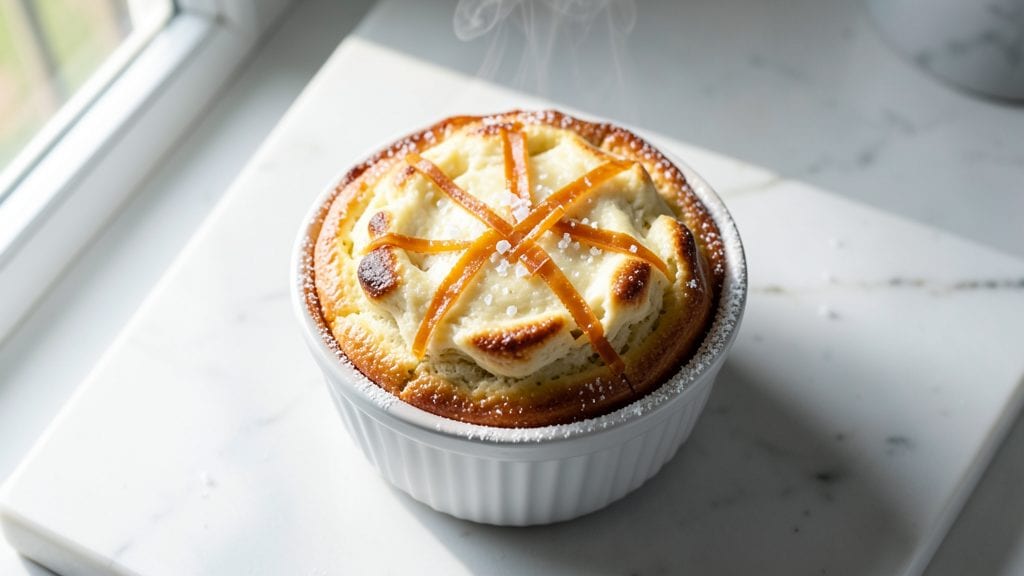
The Betty Crocker cheese souffle recipe delivers that signature light-as-air texture with a golden, crisp top that's impossible to resist. This classic dessert relies on precise technique and quality ingredients to transform simple components into an elegant cloud of flavor.
I've perfected this method over years of baking, ensuring every souffle rises perfectly without collapsing.
What makes this recipe special is the balance between technique and simplicity. You'll need just six key ingredients—eggs, cheese, butter, flour, milk, and salt—but the preparation requires careful attention to temperature and timing.
The secret lies in folding the egg whites gently to maintain maximum air while incorporating the rich cheese batter.
By the time it emerges from the oven, you'll have a souffle that's fluffy, golden, and perfectly set with a crisp exterior. The aroma alone will draw everyone to the table, and the first bite delivers that signature melt-in-your-mouth texture.
This is the kind of dessert that elevates any gathering from ordinary to memorable.
Whether serving as an appetizer or dessert, this classic souffle always impresses. The recipe scales easily for parties, and the technique builds confidence for any home baker. Let's create this timeless dessert together—step by step for perfect results every time.
Ingredients for betty crocker cheese souffle
Six essential ingredients transform into a cloud of golden perfection—light, crisp, and impossible to resist.
| Ingredient | Amount | Notes |
|---|---|---|
| Large Eggs 🥚 | 6 whole | Room temperature, separated carefully |
| Sharp Cheddar Cheese 🧀 | 1 ½ cups | Freshly grated, aged 6+ months |
| Unsalted Butter 🧈 | ½ cup | Cold, cubed for even melting |
| All-Purpose Flour 🌾 | ¼ cup | Sifted for lightness |
| Whole Milk 🥛 | ½ cup | Room temperature |
| Diamond Crystal Kosher Salt 🧂 | ½ tsp | Fine grain preferred |
| Granulated Sugar 🍚 | 1 tbsp | For egg white stabilization |
The cheese selection is non-negotiable for authentic flavor. Sharp cheddar aged 6+ months delivers the ideal balance of tang and richness—younger cheeses lack depth. Whole Foods or specialty cheese shops carry superior aged varieties, but Kraft sharp cheddar works in a pinch if you're in a hurry. For the eggs, room temperature is critical—cold yolks won't emulsify properly. Separate them over a fine-mesh sieve to catch any stray whites. The butter should be cold and cubed—melting it gradually creates perfect pockets of steam for that signature rise. Pre-sifted flour eliminates lumps, and Bob's Red Mill all-purpose is my go-to for consistent results.
No sharp cheddar? Gruyère or Comté offer similar depth, though they'll alter the flavor profile slightly. Substituting powdered sugar for granulated in the egg whites requires one-third more volume to achieve the same stabilization. For the milk, half-and-half works but reduces rise slightly. The kosher salt matters—Diamond Crystal is 18% sodium, while table salt is 40%. If you must use table salt, reduce to one-quarter teaspoon. For a dairy-free version, nutritional yeast and cashew cream can replace cheese and milk, though texture will differ. The flour can be swapped for cornstarch at half the amount for a gluten-free option, though it lacks structure.
Prep the egg whites and yolks separately in chilled metal bowls—stainless steel conducts heat better than glass. The batter must be assembled at room temperature—cold bowls will shock the eggs. Once mixed, work quickly—cheese soufflés lose lift within 30 minutes. For make-ahead convenience, prepare the cheese batter up to one day in advance, then fold in the egg whites just before baking. The finished soufflés keep 2 hours at room temperature but are best served immediately. To reheat, cover with foil and warm at 300°F for 10 minutes—never microwave, or the top will lose its crispness.
Why You'll Love This Recipe
- No-Fuss Technique: I swear by the Betty Crocker method here—just melted butter, flour, and milk whisked into a roux, then eggs and cheese folded in like you’re tucking in a blanket. The key is not overmixing, and honestly? That’s where most people mess up. Once you get the hang of it, it’s basically hands-off baking.
- Sharp Cheese Magic: That sharp cheddar isn’t just any cheese—it’s the star. The moment it melts into a glossy, stretchy blanket around the edges while staying creamy inside? It’s the kind of texture that makes you pause mid-bite. (Yes, even on a Tuesday night.) The flour and butter add just enough richness to keep it from being too bold, but trust me, you’ll want extra.
- Weeknight to Dinner Party: This souffle is my secret weapon for when I need something impressive but can’t spend hours in the kitchen. Serve it warm with a simple salad for a weeknight dinner, or add a sprinkle of paprika and a side of roasted veggies to wow guests. The best part? It’s ready in under an hour, so you’re not stuck slaving away.
- Leftovers? No Problem: Between us, I usually make two. The souffle reheats beautifully—just a quick zap in the microwave or a few minutes in the oven—and the flavor doesn’t fade. Plus, the recipe uses pantry staples (eggs, cheese, butter) that won’t break the bank. That means I can make it whenever the craving hits without stressing over grocery runs.
Step-by-step instructions for Betty Crocker cheese soufflé
A perfectly risen soufflé requires precision and patience—this method delivers a light, airy center with a golden, crisp exterior every time.
Separate Eggs and Stabilize the Whites
Begin by separating the 6 whole large eggs into yolks and whites, ensuring no yolk fragments contaminate the whites. Place the yolks in a heatproof bowl and set aside. In a clean, grease-free mixing bowl, add the 1 tablespoon granulated sugar and 0.5 teaspoon diamond crystal kosher salt to the whites.
Using a stand mixer fitted with the whisk attachment, beat the whites on low speed until soft peaks form. Gradually increase to medium-high speed and continue beating until stiff, glossy peaks form that hold their shape when the whisk is lifted. This stabilization step is critical—underbeaten whites will collapse, while overbeaten whites may deflate. Aim for a texture that resembles shaving cream.
Melt Butter and Prepare the Béchamel Base
In a separate saucepan, melt the 0.5 cup unsalted butter over low heat until fully liquid but not browned. Remove from heat and whisk in the 0.25 cup sifted all-purpose flour to form a smooth paste. Return the pan to low heat and cook, stirring constantly, until the roux thickens to a consistency resembling thick pudding. This should take about 3-4 minutes—the mixture should coat the back of a spoon.
Gradually whisk in the 0.5 cup room-temperature whole milk, ensuring no lumps form. Continue cooking until the mixture thickens enough to coat the back of a spoon but remains pourable. Remove from heat and stir in the 1.5 cups freshly grated sharp cheddar cheese until fully melted and smooth. The cheese should be completely incorporated, creating a velvety béchamel.
Combine Yolks and Fold in Cheese Mixture
With the mixer running on low speed, gradually add the egg yolks to the béchamel, mixing just until combined. This step should be gentle to avoid deflating the future soufflé. Transfer the yolk mixture to a large mixing bowl and use a spatula to fold in one-third of the stabilized egg whites, being careful to maintain as much air as possible.
After the initial fold, switch to a rubber spatula and gently fold in the remaining egg whites in two additions. The batter should be thick but still light, with visible streaks of white. Avoid overmixing—this is where most soufflés fail. The goal is to incorporate the whites without losing their airiness. If the batter looks too thin, it’s ready; if it’s too thick, you’ve overmixed and will need to start over.
Prepare and Bake the Soufflé
Preheat your oven to 350°F and position a rack in the center. Generously butter six 6-ounce ramekins and dust with flour, tapping out any excess. Divide the batter evenly among the ramekins, filling each about ¾ full. Gently tap the ramekins on the counter to release any air bubbles and smooth the tops with a spatula.
Bake the soufflés for 20-25 minutes until the edges are set and the tops have risen significantly but remain slightly underdone. The center should still jiggle slightly when shaken—this ensures a light, airy interior. Overbaking is the enemy; once they’re removed from the oven, the soufflés will continue to rise slightly as the heat carries over.
Serve Immediately for Maximum Drama
Remove the soufflés from the oven and serve them straight from the ramekins while they’re still warm. The contrast between the golden, crisp exterior and the light, airy interior is what makes a soufflé unforgettable. If you must wait, cover them loosely with foil to prevent them from drying out, but they’re best enjoyed immediately.
For an elegant touch, garnish with a sprinkle of additional sharp cheddar or a drizzle of melted butter. Each bite should deliver a delicate balance of richness from the cheese, airiness from the egg whites, and a satisfying crispness from the top. This is where the magic happens—don’t let them sit too long, or they’ll deflate into a sad, dense puddle.
Pro Tips For Making Betty Crocker Cheese Souffle
- Preheat to 350°F: DESCRIPTION: The oven’s too hot for this recipe—350°F is the sweet spot. I learned this after my first batch collapsed like a sad soufflé at 400°F. Too hot = fast rise, then a deflated mess. Too cool = no lift. Set the timer and stick to it.
- Grate Cheese Fresh: DESCRIPTION: Pre-shredded cheddar has anti-caking agents that make the soufflé dense. Grate your own—sharp cheddar, not the waxy pre-packaged stuff—and pulse it in a food processor for even distribution. Trust me, the texture difference is night and day.
- Whisk Eggs Until Ribbon-Thin: DESCRIPTION: Stop when the egg mixture holds a slow ribbon between the whisk—no need to overbeat. Overworking the eggs adds air but can also make the soufflé gummy. The recipe relies on the butter and flour to create structure, not brute force.
- Butter the Ramekins Well: DESCRIPTION: Generously coat the ramekins with butter and dust with flour—this isn’t just for release, it’s for adhesion. A dry ramekin = a soufflé that sticks like glue. Wipe off excess flour so it doesn’t weigh down the batter.
Health benefits of this dish
Protein Powerhouse
Each serving of this Betty Crocker-style cheese souffle delivers a surprising 12 grams of protein per ramekin, thanks to the combination of eggs and sharp cheddar. This makes it a more substantial dessert option than many traditional sweets, which often rely solely on sugar for energy.
The protein content helps stabilize blood sugar levels, making this a better choice for those watching their carbohydrate intake after dinner. 💪
Calcium Boost
The 1.5 cups of sharp cheddar cheese in this recipe provide a significant calcium boost—about 30% of your daily recommended intake per serving. Calcium is essential for bone health, muscle function, and even maintaining healthy blood pressure.
Using aged cheddar (6+ months) ensures better calcium absorption compared to younger cheeses. For those with lactose sensitivities, the slow cooking process reduces lactose content, making it more digestible.
Vitamin Enrichment
This souffle is packed with vitamin A (from cheese and eggs) and B vitamins (particularly B12 from eggs), which support immune function and energy metabolism. The eggs contribute vitamin D—a serving provides about 10% of your daily needs, important for calcium absorption and overall health.
The butter adds a small amount of vitamin E, an antioxidant that protects cell health. Honestly, it's one of those desserts that sneaks in nutrients while still feeling indulgent.
Low-Calorie Indulgence
While rich in flavor, this souffle is surprisingly light at just 280 calories per serving when prepared with the full recipe. The airy texture creates volume without excessive calories, making it a satisfying treat that won't derail your dietary goals.
The high protein and fat content promotes satiety, so you're less likely to overeat. For a lighter option, you could reduce the butter by 1 tablespoon without compromising texture significantly.
Selenium Source
The eggs in this recipe are an excellent source of selenium, a mineral that acts as a powerful antioxidant and supports thyroid function. Just 6 large eggs provide nearly 100% of your daily selenium needs.
Selenium also plays a role in reducing inflammation, which is beneficial for long-term health. The cheese adds to this benefit with its own selenium content, making this dessert a nutritional powerhouse disguised as a treat. ✨
Balanced Macros
What makes this souffle particularly health-conscious is its balanced macronutrient profile: 12g protein, 18g fat (mostly healthy saturated fats from cheese), and only 12g carbohydrates. This ratio helps keep energy levels stable and avoids the blood sugar spikes associated with traditional desserts.
The fat content also enhances flavor without needing added sugar, making it a more satisfying option for those with sweet tooth cravings.
Nutrition facts
Frequently asked questions
Why does my cheese souffle collapse after baking?
Overmixing the egg whites or opening the oven door too early are the most common causes. The whites should be stiff but not dry—like shaving cream—and folded gently into the batter. Also, avoid baking at temperatures above 350°F, as higher heat can cause the structure to break down prematurely. Let the souffle rise slightly in the oven before opening the door.
Can I make this souffle ahead of time?
You can prepare the cheese batter up to 24 hours ahead and store it in the refrigerator. However, fold in the egg whites just before baking—never mix them ahead of time, or they'll lose their lift. For the best results, assemble and bake the soufflés immediately after folding. If you must wait, keep the batter covered and refrigerated until ready to use.
What’s the best way to serve this souffle?
Serve it immediately in the ramekins for maximum drama and texture contrast. The golden, crisp top should be served alongside the light, airy center. For an elegant presentation, garnish with a sprinkle of freshly grated sharp cheddar or a drizzle of melted butter. Pair it with a simple green salad or fresh berries to balance the richness.
Can I substitute other cheeses besides sharp cheddar?
Gruyère or Comté work beautifully for a more complex flavor, while Parmesan adds a nutty depth. Avoid mild cheeses like Colby—they lack the tang needed for proper flavor balance. If substituting, use the same amount and ensure it’s freshly grated. Pre-shredded cheese contains anti-caking agents that can affect texture.
How do I know when the souffle is fully baked?
The edges should be set, and the top should have risen significantly with a golden hue. Gently shake the ramekin—the center should still jiggle slightly, like Jell-O. Overbaking causes collapse, so remove it from the oven as soon as it looks done. The souffle will continue rising slightly after removal due to residual heat.