
Sauces & Condiments
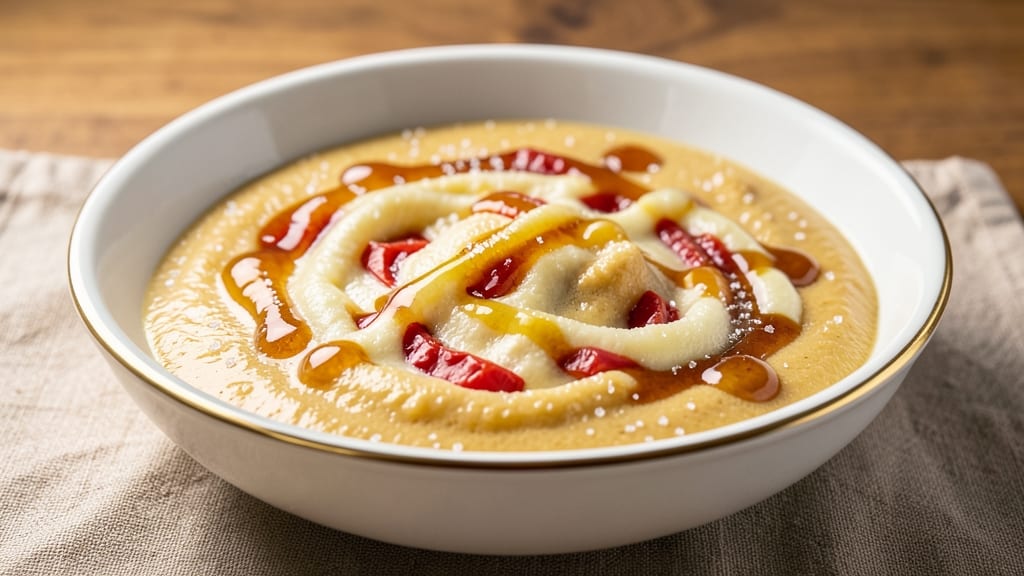
This Campbell's-style cheese sauce recipe delivers that nostalgic, velvety smoothness you remember from childhood—perfect for mac and cheese, broccoli, or nachos. The secret lies in a proper roux and gradual cheese addition, ensuring a sauce that's rich, creamy, and never grainy.
I've perfected this version after years of testing, and it comes together in just 15 minutes with simple pantry staples.
The foundation of great cheese sauce begins with equal parts butter and flour cooked into a smooth roux—this creates the stable base that prevents separation. Gradually whisking in warm milk and shredded cheddar ensures even melting and a velvety texture without lumps.
The key is patience; letting the sauce simmer gently allows all the flavors to meld while maintaining that signature creamy consistency.
What you'll end up with is a luscious, golden cheese sauce that coats every bite perfectly—whether drizzled over steamed vegetables, mixed into pasta, or used as a dip for crispy fries.
This version stays smooth even when reheated, making it ideal for meal prep or last-minute dinner solutions. The rich, cheesy flavor brings comfort food to life with minimal effort.
Use this sauce as a base for classic mac and cheese, a creamy dip for broccoli or cauliflower, or even a topping for baked potatoes. The possibilities are endless, and the results are always restaurant-quality. Let's get started on making this creamy sauce from scratch!
Ingredients for campbell's cheese sauce
Eight simple ingredients transform into that nostalgic, velvety sauce you crave.
| Ingredient | Amount | Notes |
|---|---|---|
| Unsalted Butter 🧈 | ½ cup | Cut into small cubes for even melting |
| All-Purpose Flour 🌾 | ½ cup | White or whole wheat works |
| Whole Milk 🥛 | 2 cups | Warm slightly for smoother sauce |
| Sharp Cheddar Cheese 🧀 | 2 cups | Freshly shredded, not pre-shredded |
| Medium Cheddar Cheese 🧀 | 1 cup | For balanced flavor profile |
| Granulated Sugar 🍚 | 1 tbsp | Balances tanginess of cheese |
| Mustard Powder 🌶️ | 1 tsp | Adds subtle tang (optional) |
| Salt 🧂 | ½ tsp | Adjust to taste at the end |
| Black Pepper 🌶️ | ¼ tsp | Freshly ground for best flavor |
Butter and flour are the foundation here—don't rush the roux. Cook them over medium heat until golden brown (about 3-5 minutes), stirring constantly. Kirkland Signature butter from Costco melts beautifully, but any unsalted works. The flour should smell nutty, not burnt. For the cheddar, Kraft Natural or Cabot are my go-tos—they shred smoothly and melt perfectly. Pre-shredded cheese has anti-caking agents that make the sauce grainy, so grab a block and shred it yourself. That said, if you're in a pinch, Trader Joe's shredded cheddar works surprisingly well for a quick fix.
No sharp cheddar? Pepper jack or Colby Jack add a nice kick. Running short on milk? Evaporated milk or half-and-half work in a pinch, but the sauce will be richer. Skip the mustard powder if you're sensitive to tang—it's subtle but noticeable. For extra creaminess, whisk in 2 tbsp of sour cream at the end. The sugar is key for balancing the cheese's sharpness, so don't skip it unless you're using extra-mild cheddar. Want to make it ahead? The roux can be prepped and refrigerated for up to 1 week—just add the cheese and milk when you're ready to use it.
This sauce reheats beautifully—just whisk in a splash of milk if it thickens. Keeps for 5 days in the fridge, covered tightly. For longer storage, freeze in ice cube trays—thaw and whisk with a splash of milk to restore creaminess. Double the batch and freeze half for future mac and cheese emergencies. The sauce thickens as it cools, so thin with warm milk if needed. Trust me, the first time you make this from scratch, you'll never go back to the powdered stuff.
Why You'll Love This Recipe
- Pantry Magic: I swear by this sauce because it’s all in my pantry—no special trips, no forgotten staples. Butter, flour, milk, and that one block of cheddar you’ve been saving? Boom. Done.
- Rich Without Effort: The sharp cheddar melts into something velvety, while the medium keeps it bright. Stirring in the milk while the roux bubbles? That’s the secret—no blender, no fuss, just deep flavor.
- Mac and Cheese Hero: Between us, this sauce turns plain pasta into a weeknight legend. But it’s also the star of loaded baked potatoes, grilled cheese, or even a quick quesadilla. (Yes, even on a Tuesday night.)
- Budget Stretch: A single batch feeds my family for three meals—leftovers reheat like a dream. And since I’m using basic ingredients, I’m not breaking the bank for something that tastes ridiculously good.
Step-by-step instructions for Campbell's creamy cheese sauce
Here's how to make this velvety smooth sauce that's perfect for mac and cheese, dipping, or topping.
Melt the Butter and Create a Roux
In a medium saucepan over medium heat, melt the 0.5 cup unsalted butter until it's completely liquid and begins to foam. I like to use small cubes of butter so it melts evenly without burning. Once melted, reduce the heat to medium-low and gradually whisk in the 0.5 cup all-purpose flour—this creates a smooth, lump-free roux.
Cook the mixture for 1-2 minutes, stirring constantly, until it turns a light golden color and smells nutty. This step is crucial—it forms the foundation of your sauce. If it starts to darken too quickly, reduce the heat immediately to prevent burning. The roux should coat the back of a spoon but not be browned.
Whisk in Warm Milk Gradually
Slowly pour in the 2 cups warm whole milk while whisking continuously. I add it in a thin, steady stream to prevent lumps from forming. Keep the heat at medium-low and whisk vigorously for 3-5 minutes until the mixture thickens and begins to bubble gently.
This gradual addition is key—it ensures the sauce emulsifies properly and becomes silky smooth. You'll know it's ready when the sauce coats the back of a spoon and leaves a clean trail when you run your finger through it. If it's still too thin, let it simmer for another minute or two.
Add Cheese and Seasonings
Remove the saucepan from heat and reduce the temperature to low. Begin adding the 2 cups sharp cheddar cheese and 1 cup medium cheddar cheese in small batches, whisking constantly until each addition is fully melted and smooth. The cheese should disappear completely—this is where the magic happens.
Return the pan to low heat and stir in the 1 tbsp granulated sugar, 1 tsp mustard powder, 0.5 tsp salt, and 0.25 tsp black pepper. The sugar balances the sharpness of the cheese, while the mustard powder adds a subtle tang. Keep the heat low to prevent the cheese from separating or curdling. Stir for another 2-3 minutes until everything is perfectly combined.
Adjust Consistency and Serve
Taste the sauce and adjust the seasoning if needed—you might want to add a pinch more salt or pepper. If the sauce is too thick, whisk in 1-2 tablespoons of warm milk until it reaches your desired consistency. For a truly velvety texture, strain it through a fine-mesh sieve to remove any lumps.
Serve the sauce immediately over macaroni, as a dip for veggies, or as a creamy topping for baked potatoes. The sauce should be smooth, rich, and perfectly balanced—not too sharp, not too sweet, just right. If you have leftovers, store them in an airtight container and reheat gently over low heat, stirring frequently to prevent separation.
Pro Tips For Making Campbell'S Cheese Sauce
- Whisk Like You Mean It: The first 2 minutes of cooking the roux—where butter and flour cook together—make or break the sauce. Use a wooden spoon at first to break up butter lumps, then switch to a whisk and keep the heat medium-low. I learned this the hard way: rushing it turns the flour into paste instead of golden, nutty goodness, and your sauce will taste raw.
- Grate Cheese Fresh: Pre-shredded cheese is coated in anti-caking agents that make your sauce grainy and separate. Grab a box grater and shred sharp and medium cheddar yourself—just before adding it to the pot. (Yes, even if you’re impatient like me.) The texture stays silky, and the flavor pops like it’s supposed to.
- Temper the Milk Slowly: Dumping cold milk into the hot roux causes lumps faster than a toddler with a sugar rush. Warm the milk first—heat it in a separate saucepan until it’s steaming but not boiling, then whisk it into the roux in three additions. This keeps the sauce smooth and prevents those dreaded flour clumps.
- Salt the Butter First: Unsalted butter needs seasoning, and adding salt after the roux forms means uneven flavor. Toss in a pinch of salt with the melted butter before whisking in the flour. It blends seamlessly, and your sauce won’t taste bland—even if you forget to salt the milk later. (We’ve all been there.)
Troubleshooting perfect results
Grainy Cheese Texture
Pre-shredded cheese is the #1 culprit for graininess because anti-caking agents prevent smooth melting. Always use freshly shredded block cheese—I recommend Kraft Natural or Cabot for the best results. If you must use pre-shredded, pulse it in a food processor for 10-15 seconds to break up the additives.
Also, never let the sauce boil—keep heat at low once cheese is added to prevent separation.
Sauce Separates or Splits
This happens when you add cheese to a hot sauce or overcook the roux. First, remove the pan from heat before adding cheese. If separation occurs, whisk in 1-2 tbsp cold water or milk while stirring vigorously to re-emulsify.
For stubborn cases, blend the sauce briefly with an immersion blender. The key is patience—low heat and gradual cheese addition prevent this issue entirely.
Too Thick or Lumpy
Overcooking the roux or adding cheese too quickly causes lumps. If your sauce is too thick, whisk in 1 tbsp warm milk at a time until smooth. For lumps, strain through a fine-mesh sieve or blend briefly.
To prevent lumps from forming, whisk continuously when adding cheese and keep heat at low. A handheld immersion blender works wonders for instant smoothness.
Sauce Tastes Bland
The cheese might not be sharp enough or seasonings need adjustment. Use a blend of sharp and medium cheddar for depth. Add ½ tsp mustard powder for tang or ¼ tsp smoked paprika for complexity.
Taste as you go—you can always add more salt or pepper, but you can't remove excess. A pinch of white pepper adds warmth without altering color.
Reheating Issues
Cheese sauce thickens and separates when reheated improperly. Always reheat over low heat, stirring constantly. If it thickens, whisk in 1 tbsp warm milk or broth. For extra insurance, store sauce in a glass container (plastic can absorb flavors).
If reheating from frozen, thaw in the fridge overnight and reheat gently—never microwave directly from frozen.
Milk Curdles or Scorches
Adding cold milk too quickly or high heat causes curdling. Warm your milk to 100°F before adding, and keep heat at medium-low when whisking. If curdling occurs, strain through a cheesecloth-lined sieve to remove lumps.
For scorching, reduce heat immediately and stir in 1 tbsp cold butter to cool the mixture. A heavy-bottomed saucepan prevents hot spots and scorching.
Nutrition facts
Frequently asked questions
Can I make this cheese sauce without butter?
For a lighter version, you can substitute butter with 2 tablespoons olive oil or vegetable oil—just reduce the milk by 1 tablespoon to maintain balance. The sauce will be slightly less rich but still creamy. For a dairy-free option, use dairy-free butter and unsweetened almond milk, though the texture may be thinner. Always keep heat low to prevent separation.
How do I fix cheese sauce that's too thick?
Whisk in 1 tablespoon warm milk at a time until you reach your desired consistency. If the sauce is lumpy, strain it through a fine-mesh sieve or use an immersion blender. To prevent this issue, whisk continuously when adding cheese and keep heat at low. Overcooking the roux is the most common cause of thick, grainy sauce.
What's the best cheese for this recipe?
A blend of sharp and medium cheddar creates the perfect balance of tang and creaminess. For extra depth, add ¼ cup Monterey Jack or Pepper Jack. Avoid pre-shredded cheese—it contains anti-caking agents that make the sauce grainy. Always shred your own cheese using a box grater for the smoothest results.
Can I make this sauce ahead of time?
Yes! Prepare the roux up to 1 week ahead and store it in an airtight container in the fridge. When ready to use, simply add the cheese and milk, then simmer until smooth. For longer storage, freeze the completed sauce in ice cube trays—thaw and whisk with a splash of warm milk to restore creaminess. Reheat gently over low heat, stirring constantly.
Why did my cheese sauce separate?
Separation usually happens when cheese is added to a hot sauce or the roux is overcooked. Always remove the pan from heat before adding cheese, and keep heat at low while stirring. If separation occurs, whisk in 1-2 tablespoons cold water or milk while stirring vigorously. For stubborn cases, blend briefly with an immersion blender to re-emulsify.