
Appetizers
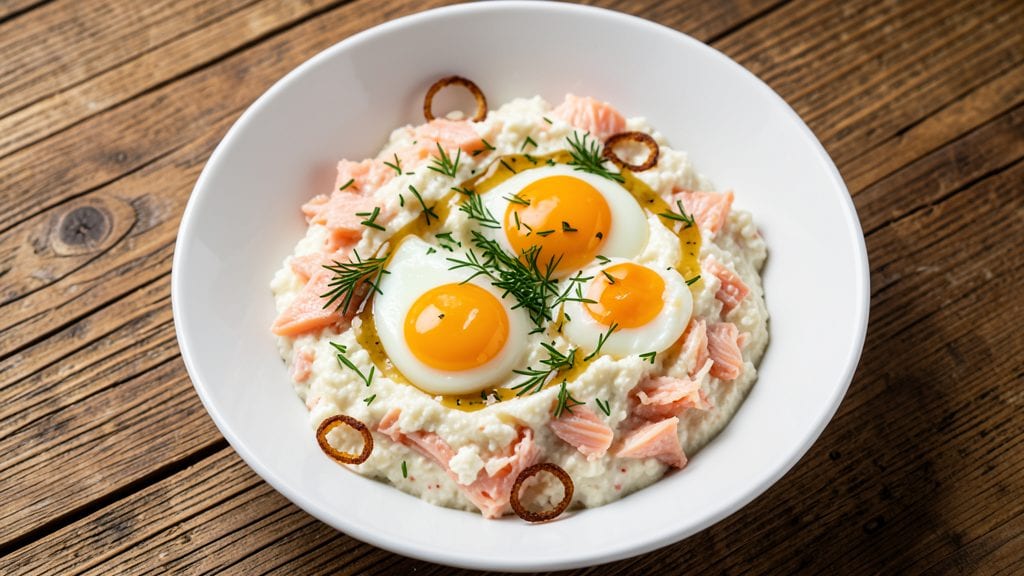
This canned salmon cottage cheese recipe transforms humble pantry staples into a surprisingly sophisticated appetizer that delivers creamy texture with a satisfying crunch.
The magic happens when flaked salmon and cottage cheese blend into a rich, protein-packed base, then crown with a golden, buttery topping that shatters like a delicate crust. I developed this dish after realizing how often canned salmon gets overlooked—until you pair it with cottage cheese and a crispy finish.
The preparation is straightforward yet impressive: mix the cottage cheese with flaked salmon, seasonings, and a touch of creaminess, then bake until the top transforms into a golden lattice.
What makes this dish special is how it balances textures—creamy in every bite from the salmon and cheese, contrasted by the crispy, almost cracker-like top. This recipe proves that canned salmon isn’t just for salads or casseroles; it’s the star of a showstopping appetizer.
By the time it emerges from the oven, you’ll have a dish that’s elegant enough for a dinner party but simple enough for a weeknight gathering.
The aroma of baking salmon and cheese fills the kitchen, while the visual contrast of golden crust over creamy filling makes it impossible to resist. Serve with toothpicks for easy handling and watch it disappear—this is comfort food with a gourmet twist.
Perfect for brunch spreads, holiday appetizers, or a light yet satisfying meal, this recipe scales effortlessly to feed a crowd or just two. The best part? It uses ingredients you likely already have on hand, making it both budget-friendly and foolproof. Let’s get cooking—your taste buds will thank you.
Ingredients for canned salmon cottage cheese
Pantry staples meet gourmet flair—just 12 ingredients for a showstopping appetizer.
| Ingredient | Amount | Notes |
|---|---|---|
| Canned Salmon (with bones) 🐟 | 1 can | Drained, flaked with bones for texture |
| Cottage Cheese (2%) 🧀 | 1 lb | Full-fat for creaminess (trust me) |
| Large Eggs 🥚 | 2 whole | Room temperature for even baking |
| All-Purpose Flour 🌾 | ½ cup | For crispy lattice topping |
| Unsalted Butter 🧈 | ¼ cup | Cold, cubed for flaky layers |
| Dijon Mustard 🍯 | 1 tbsp | Adds tangy depth |
| Fresh Dill (or Dried) 🌿 | 1 tbsp | Fresh if possible, dried at 1/4 tbsp |
| Lemon Juice 🍋 | 1 tsp | Brightens the flavor |
| Salt 🧂 | ½ tsp | Kosher or sea salt preferred |
| Black Pepper 🌶️ | ¼ tsp | Freshly cracked for heat |
| Garlic Powder 🧄 | ¼ tsp | For subtle savory note |
| Heavy Cream 🥛 | ¼ cup | Optional, for extra richness |
| Toothpicks 📌 | 16 whole | For serving and easy handling |
The salmon is the star, so grab a can with bones—they add that satisfying crunch. Wild-caught is ideal, but any canned salmon works. I always buy the StarKist or Wild Planet brands—they flake easily. Full-fat cottage cheese makes all the difference here (the good stuff, not the low-fat kind). For the topping, King Arthur flour or any all-purpose brand works, but don't skip the cold butter—it creates those perfect flaky layers. The dill? Fresh is best, but dried works in a pinch if you've got it.
No Dijon mustard? Yellow mustard at double the amount gets you close. Short on fresh dill? Dried dill at one-fourth the quantity keeps the flavor. The heavy cream is optional but worth it if you want extra decadence—skip it if you're watching calories. For a gluten-free version, swap the flour topping for crushed Ritz crackers or gluten-free breadcrumbs. The garlic powder can be replaced with minced garlic (1/2 tsp) if you've got it fresh. And if you're feeling fancy, add a sprinkle of everything bagel seasoning to the topping for extra crunch.
This keeps beautifully in the fridge for 3-4 days—perfect for meal prep. Reheat at 350°F for 10 minutes to restore that crispy top. For a crowd, double the recipe and bake in a larger pan. Store leftovers covered, but honestly, it's best fresh out of the oven. The topping gets soggy if reheated too long, so keep it simple and serve warm.
Why You'll Love This Recipe
- Pantry-to-Plate Speed: I swear by this when I’m starving but don’t want to cook—just drain the salmon, mix in the cottage cheese, and bake. No chopping, no fuss, and the bones add richness without extra work.
- Unexpectedly Rich: The salmon’s natural oils and those crushed bones? They turn this into something decadent, like a creamy, flaky fish casserole without the effort. The cottage cheese keeps it light, but the flavor punches way above its weight.
- Lunchbox Hero: Between us, this is my go-to for meal prep—slice it up, pack it in containers, and it stays fresh for days. Kids (and adults) eat it cold or reheated, and the buttery crust holds up like a champ.
- Budget Breakthrough: Honestly, this recipe stretches my grocery budget further than I expected. Canned salmon and cottage cheese are cheap staples, and the eggs/flour make it feel like a special meal. Leftovers? Even better the next day, if that’s possible.
Step-by-step instructions for crunchy top, creamy core bites
Here's how to turn simple pantry staples into bite-sized perfection with a golden crust and velvety filling.
Mix the Filling for Maximum Creaminess
In a medium bowl, combine the drained canned salmon (with bones) and all 1 lb of cottage cheese (2%). Use a fork to break up any large chunks of salmon while mixing until smooth. The bones will add subtle texture without overpowering the creamy base.
Add the 2 whole large eggs, 1 tbsp Dijon mustard, 1 tbsp fresh dill (or ¼ tbsp dried), 1 tsp lemon juice, ½ tsp salt, ¼ tsp black pepper, and ¼ tsp garlic powder. Mix thoroughly until you have a thick, homogenous batter. This is where the magic happens—the mustard brightens the salmon flavor while the lemon juice keeps it fresh.
For extra richness, stir in the ¼ cup heavy cream. If you skipped the cream, don't worry—the cottage cheese alone delivers plenty of creaminess. The mixture should be thick enough to hold its shape when scooped but still spreadable.
Shape and Pre-Bake for Structure
Preheat your oven to 350°F. Line a baking sheet with parchment paper or lightly grease it to prevent sticking. Using a spoon or small ice cream scoop, portion the filling into 16 equal mounds (about 1½ tbsp each) and place them 1 inch apart on the prepared baking sheet.
Bake for 12-15 minutes until the centers are just set but still slightly jiggly when gently pressed. This pre-baking step prevents the bites from falling apart during the topping stage. You want them firm enough to handle but not completely dry.
While they bake, prepare the topping by mixing the ½ cup all-purpose flour with the remaining ¼ tsp salt and ¼ tsp black pepper in a small bowl. Set aside—this will create the crispy lattice we're after.
Create the Crispy Lattice Topping
Remove the baked bites from the oven and let them cool for 2 minutes. Using a pastry brush, lightly coat each bite with melted butter (melt the ¼ cup unsalted butter in a microwave-safe bowl for 20 seconds). This butter will help the flour stick and create that beautiful golden crust.
Working quickly, sprinkle the flour mixture evenly over each bite, pressing gently so it adheres. For a decorative touch, you can create a simple lattice pattern by brushing additional melted butter between bites and sprinkling more flour. Return to the oven and bake for another 8-10 minutes until the topping is golden brown and crispy.
Here's the thing—don't overbake. The topping should be golden but not dark brown, or it'll turn bitter. You want that perfect crunch that contrasts with the creamy interior.
Finish and Serve with Style
Let the bites cool for 5 minutes before serving—this allows the flavors to meld and the topping to set completely. Use the 16 toothpicks to secure each bite for easy handling. The toothpicks also make these perfect for parties or finger foods.
For serving, arrange on a platter and garnish with additional fresh dill if desired. The contrast between the crispy golden top and creamy salmon filling is what makes these bites so irresistible. Serve immediately while the topping is still crunchy—these won't wait!
Real talk: if you make these ahead, store them covered at room temperature for up to 2 hours. The topping loses its crunch if left out longer, but you can always reheat in a 350°F oven for 5 minutes to restore that golden crisp.
Pro Tips For Making Canned Salmon Cottage Cheese
- CRUSH THOSE BONES: Grab a fork and mash the canned salmon thoroughly—including the bones—before mixing it into the cottage cheese. I used to skip this, thinking the bones would dissolve, but they just sit there like tiny fish skeletons. A good 30-second smash makes the texture silky, not grainy.
- SALT THE COTTAGE CHEESE: Season the cottage cheese before adding the salmon—about ½ teaspoon of salt per 1 cup. The 2% fat version is mild, and if you wait until the end, you’ll end up with bland bites. Trust me, it’s the thing that makes the difference between "meh" and "wow."
- STOP WHEN IT’S STILL SLIGHTLY SOFT: This isn’t a burger—overcooking the patties turns them rubbery. Test one at 155°F internal temp, then pull the rest when they’re just almost done. They’ll firm up while resting, and that’s when they’re perfect. (Yes, even if you’re impatient like me.)
- USE COLD BUTTER FOR CRUST: Cut the butter into tiny cubes and fold them into the flour mix last, keeping everything cold. Warm butter = greasy mess. I learned this the hard way after frying a batch that turned into a sad, oily puddle. Cold butter = crispy, golden crust every time.
Wine and beer pairings for canned salmon cottage cheese
Crisp White Wine
These bites pair beautifully with a dry Riesling or Sauvignon Blanc—their bright acidity cuts through the richness of the cottage cheese while complementing the salmon's natural sweetness. I reach for a New Zealand Sauvignon Blanc like Oyster Bay with its citrus and herbal notes.
The wine's crisp finish mirrors the crunchy topping, creating a harmonious balance. 🍷
Light Beer Options
A Belgian witbier like Hoegaarden or a German Helles lager works wonders here. The slight tartness and effervescence in witbiers cleanse your palate between bites, while the malt sweetness in Helles enhances the salmon's flavor.
For a local option, try a crisp American lager like Corona Extra—its clean profile lets the dish shine without overpowering it. 🍺
Herbal Gin Cocktail
For a refreshing twist, serve with a gin-based cocktail like a Savoy Martini (gin, dry vermouth, lemon twist). The botanical notes in gin—like juniper and coriander—echo the dill in the recipe, while the dry vermouth adds a sophisticated depth.
I like to garnish with a lemon wheel to brighten the palate between bites. 🍸
Avoid Heavy Reds
Skip bold red wines like Cabernet or Syrah—their tannins and intensity clash with the delicate salmon and creamy texture. Instead, opt for lighter reds like Pinot Noir (with its red fruit notes) or Beaujolais (for a juicy, low-tannin option).
These wines won’t overpower the dish but still add a touch of elegance. 🍇
Non-Alcoholic Pairings
For a non-alcoholic match, a sparkling apple cider like Martinelli’s adds a festive touch with its crisp acidity. Alternatively, a ginger beer (like BrewDog Ginger Beer) complements the salmon’s richness with its spicy kick. Both options keep the meal lively without alcohol. 🍏
Nutrition facts
Frequently asked questions
Can I use canned salmon without bones for this recipe?
The bones add subtle texture, but you can omit them if you prefer a completely smooth filling. Just flake the salmon finely and mix it thoroughly with the cottage cheese. The dish will still be delicious—just slightly less rustic. For extra flavor, try adding 1/4 tsp of extra lemon juice or dill to compensate.
How do I prevent the topping from getting soggy?
The key is timing and temperature! Pre-bake the filling for 12-15 minutes until just set, then cool completely before adding the topping. Use cold butter and work quickly when sprinkling flour—this creates a barrier that locks in crispiness. For extra insurance, bake the topping at 375°F instead of 350°F for the final 8 minutes.
Can I make this recipe ahead of time?
Yes, but with one caveat: assemble the bites up to 2 hours ahead and refrigerate uncovered. The topping will lose crispness if left out longer, but you can reheat at 350°F for 5 minutes to restore some crunch. For best results, bake fresh and serve immediately—these are best enjoyed warm!
What's the best way to store leftovers?
Store in an airtight container in the fridge for up to 3 days. Reheat in the oven at 350°F for 10 minutes to revive the texture. Avoid microwaving—the topping will turn rubbery. For longer storage, freeze for up to 1 month (thaw overnight in the fridge).
Can I substitute cottage cheese with another dairy product?
While cottage cheese gives the perfect creamy texture, you could try ricotta (for a slightly lighter version) or cream cheese (for extra richness). For a lower-fat option, blend Greek yogurt with 1 tbsp sour cream to mimic the texture. Just note that the flavor will differ slightly.