
Appetizers
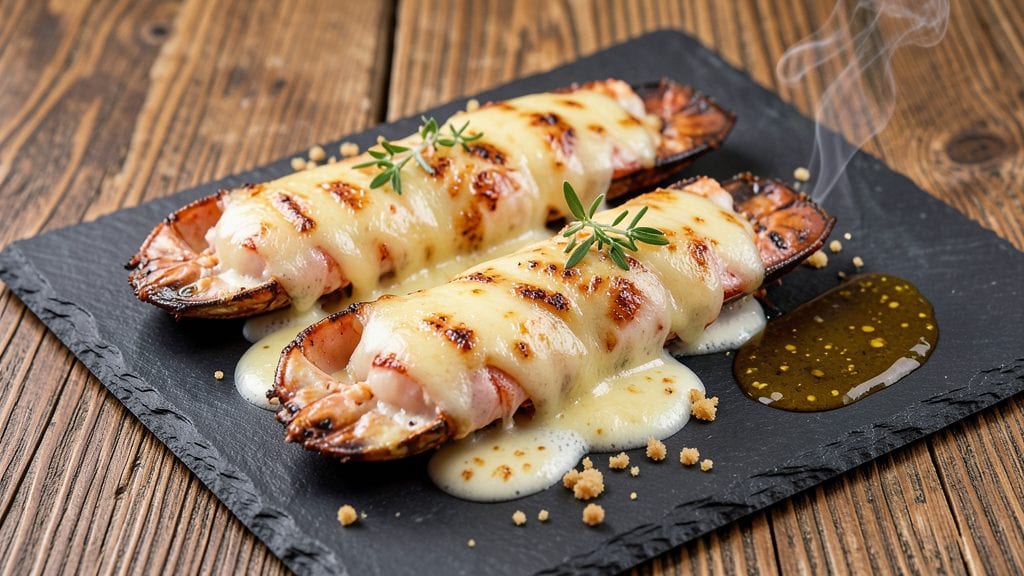
This cheese lobster bake recipe transforms a simple seafood dish into an indulgent feast that balances sweet lobster with rich, melted cheese—perfect for special occasions or when you want to impress.
The secret lies in butter-poaching the lobster tails first, preserving their delicate sweetness before baking them under a blanket of sharp cheddar and Gruyère, creating a golden, bubbling crust that's impossible to resist.
I developed this after years of experimenting with seafood bakes, and the result is a dish that feels luxurious without requiring advanced techniques.
The beauty of this recipe is its simplicity—just a few high-quality ingredients come together to create a restaurant-worthy dish in under 45 minutes. The lobster tails cook gently in butter and white wine, absorbing flavors while remaining tender, then bake until the cheese melts into a velvety sauce.
It's the kind of meal that feels like a celebration, even on a weeknight, with minimal effort. The combination of buttery lobster and nutty, sharp cheese creates a flavor profile that's both elegant and deeply satisfying.
By the time you pull this dish from the oven, you'll have perfectly cooked lobster tails nestled in a pool of melted cheese, their edges crisped to golden perfection.
The aroma alone will have everyone gathered around the table, and each bite delivers a harmonious blend of sweet seafood and rich, savory cheese. This is the kind of recipe that turns a simple dinner into an unforgettable experience—ideal for hosting or treating yourself to something truly special.
Pair it with a crisp white wine, garlic bread, or a fresh salad to complete the meal. The leftovers, if there are any, reheat beautifully, making this a great option for meal prep or entertaining. Here's everything you need to create this luxurious seafood bake at home.
Ingredients for cheese lobster
Buttery lobster, sharp cheddar, and nutty Gruyère—this luxurious bake comes together with just 14 ingredients.
| Ingredient | Amount | Notes |
|---|---|---|
| Lobster Tails 🦞 | 4 whole | Fresh, frozen or thawed, 6-8 oz each |
| Unsalted Butter 🧈 | ½ cup | Cold, high-fat content preferred |
| Dry White Wine 🍷 | ½ cup | Sauvignon Blanc or Pinot Grigio |
| Sharp White Cheddar Cheese 🧀 | 1 cup | Freshly grated, block preferred |
| Gruyère Cheese 🧀 | ¾ cup | Freshly grated, nutty flavor |
| Heavy Cream 🥛 | ¼ cup | Full-fat for richness |
| Garlic Cloves 🧄 | 4 cloves | Minced, fresh preferred |
| Fresh Lemon Juice 🍋 | 1 tbsp | Freshly squeezed, bright flavor |
| Sea Salt 🧂 | 1 tsp | Kosher or fine grain |
| Black Pepper 🌶️ | ½ tsp | Freshly ground preferred |
| Fresh Parsley 🌿 | ¼ cup | Chopped, for garnish |
| Baguette Slices 🍞 | 4 pieces | Toasted, for serving |
| Chives 🌱 | 2 tbsp | Chopped, for garnish |
| Olive Oil 🫒 | 1 tbsp | Extra-virgin for drizzling |
The lobster tails are the star, so don't cut corners here. Fresh is ideal, but frozen works if fully thawed—just pat them dry before cooking. I usually grab mine from Whole Foods or a high-end seafood market, but the frozen section at Costco. Look for tails that are bright red and firm to the touch. The wine? Pinot Grigio or Sauvignon Blanc adds brightness—whatever's open in your fridge will do, but avoid anything too oaky. For the cheeses, freshly grated is non-negotiable—pre-shredded gets clumpy and lacks flavor. Grab a wedge of Gruyère from the deli counter if you can't find pre-grated.
No white wine? Dry vermouth or even chicken broth works in a pinch, though the flavor won't be as bright. Short on Gruyère? Add extra sharp cheddar and a splash of cream—it'll be just as rich. The heavy cream can be swapped for half-and-half if you're watching fat, but trust me on the full-fat version. For the garlic, jarred minced works if you're in a rush, but fresh minced is always better. The parsley and chives are just for garnish, so dried oregano at half the amount would work if you're out. And if you don't have a baguette? Toasted sourdough or even garlic bread from the store will do.
This dish reheats beautifully—just pop it in the oven at 350°F for 10 minutes until the cheese is melted again. Leftovers keep for 2 days in the fridge, but honestly, it's so good you won't have any. The lobster tails can be prepped ahead and kept in the fridge for up to 24 hours before baking. I always make this when I'm hosting—it's the kind of dish that makes you look like a pro, even if you're just heating and baking. Garnish with fresh herbs right before serving, or they'll wilt in the oven.
Why You'll Love This Recipe
- One-Pan Magic: I swear by this recipe—no chopping, no fuss, just lobster tails, butter, and cheese melting together in one pan. The wine deglazes while you’re still slicing the cheese, so cleanup is basically nonexistent.
- Rich, Melty Obsession: That combo of sharp cheddar and Gruyère? It’s dangerously good—creamy, salty, and just crispy enough on the edges. Honestly, I’ve made this for people who “don’t like seafood,” and they still ask for seconds.
- Date Night or Dinner Party: It’s fancy enough for a Friday night out but simple enough to throw together when your in-laws drop by. Serve it with crusty bread to soak up that wine-infused cheese sauce, and you’ll look like a pro.
- Leftovers That Don’t Suck: Most lobster dishes turn into sad, dry meat the next day, but this? The cheese keeps it tender, so I actually save portions for lunch. (Yes, even on a Tuesday.) Just reheat gently—no microwave crimes here.
Step-by-step instructions for cheese lobster bake
Here's how to create a decadent lobster bake with rich, creamy cheese and tender seafood.
Prep the Lobster Tails
Start by thawing the lobster tails if frozen, using cold water for about 15-20 minutes until pliable. Pat them completely dry with paper towels—this ensures they'll sear properly later. Using kitchen shears, cut a ¼-inch deep slit along the bottom of each tail shell, being careful not to cut into the meat. This allows the cheese sauce to penetrate beautifully during baking.
Season the inside of each tail generously with ½ teaspoon sea salt and ¼ teaspoon black pepper. I like to sprinkle a pinch of freshly grated sharp white cheddar cheese inside too—it adds an extra layer of flavor that melts into the lobster as it cooks. Set the prepared tails aside on a plate while you prepare the sauce.
Make the Cheese Sauce
In a medium saucepan, melt the ½ cup unsalted butter over medium heat until it's fully liquid but not browned. Add the 4 cloves minced garlic and cook for 30 seconds until fragrant—don't let it brown or it'll turn bitter. Pour in the ½ cup dry white wine and scrape up any browned bits from the bottom of the pan with a wooden spoon. Let it simmer for 2-3 minutes until reduced by half.
Reduce heat to low and stir in the 1 cup sharp white cheddar cheese and ¾ cup gruyère cheese until completely melted and smooth. Add the ¼ cup heavy cream and 1 tablespoon fresh lemon juice, then season with the remaining ½ teaspoon sea salt and ¼ teaspoon black pepper. Remove from heat and stir in ¼ cup chopped fresh parsley. The sauce should be thick but still pourable—if it's too thick, whisk in 1 teaspoon water to loosen it slightly.
Assemble and Bake
Preheat your oven to 375°F. Place the prepared lobster tails in a 9x13-inch baking dish and spoon the cheese sauce evenly over and around them, making sure each tail is well-coated. The sauce should come about halfway up the sides of the tails. Cover the dish tightly with aluminum foil and bake for 15 minutes—this steams the lobster gently and prevents it from overcooking.
After 15 minutes, remove the foil and continue baking for another 10-12 minutes until the cheese is golden brown and bubbly on top. The lobster should be just cooked through—it should flake easily with a fork but still be tender, not rubbery. If the cheese starts to brown too quickly, tent loosely with foil for the last few minutes to prevent burning.
Toast the Baguette and Finish
While the lobster bakes, brush the 4 baguette slices with 1 tablespoon olive oil and toast them in the oven for 3-4 minutes until golden and crisp. Just before serving, sprinkle the toasted baguette slices with 2 tablespoons chopped chives for a pop of fresh color and flavor.
Serve the lobster tails immediately, spooning any extra cheese sauce from the baking dish over the top. The lobster should be tender with a delicate pink center, surrounded by a creamy, cheesy sauce that's rich but not heavy. The toasted baguette adds a perfect crunchy contrast to the soft, buttery lobster. This dish is best served right away when everything is hot and bubbly!
Pro Tips For Making Cheese Lobster
- Split the Lobster Properly: Use kitchen shears to cut through the shell’s top seam—don’t saw. A clean cut keeps the meat intact and lets the cheese melt evenly inside. I used to struggle with jagged edges until I switched to shears.
- Grate Cheese Fresh: Skip pre-shredded cheese—it’s coated with anti-caking agents that make the sauce grainy. Use a microplane or fine grater over a bowl, then press the cheese through with a spoon. The texture stays silky, not clumpy.
- Deglaze Before Adding Cheese: Let the wine reduce by half before stirring in the cheese. If you add cheese too soon, it’ll seize into clumps. I learned this after three lumpy batches—now the sauce is smooth every time.
- Broil for the Crust: After baking, switch to broil for 1–2 minutes until the cheese turns golden. Watch closely—it burns fast. This isn’t the prettiest method, but it’s the tastiest. (Yes, even if you’re impatient like me.)
Serving suggestions for leftovers
Garlic Bread Pairing
Toasted garlic bread is a must with this dish—it soaks up the rich cheese sauce beautifully. Brush 4 baguette slices with 1 tbsp olive oil and 1 minced garlic clove, then toast in the oven for 3-4 minutes until golden.
Finish with 2 tbsp chopped chives for a fresh, herby contrast to the buttery lobster. 🍞
Crisp Salad Balance
A bright, peppery salad cuts through the richness of the cheese and lobster. Toss 4 cups mixed greens with 2 tbsp lemon vinaigrette (mix 2 tbsp olive oil, 1 tbsp lemon juice, 1 tsp Dijon mustard, and ½ tsp sea salt).
Add ¼ cup sliced radishes and 2 tbsp toasted pine nuts for crunch and texture.
Wine Pairing Perfection
A crisp Sauvignon Blanc or Chardonnay complements the dish’s creamy cheese and sweet lobster. For a lighter option, try a Pinot Grigio—its citrus notes brighten the rich flavors. If you prefer red, a light Pinot Noir works surprisingly well, balancing the dish’s richness without overpowering it. 🍷
Cheese Sauce Dipper
Serve extra cheese sauce on the side for dipping toasted bread or as a topping for the lobster. Warm it gently in a small saucepan over low heat for 2-3 minutes—just enough to make it pourable.
A drizzle of truffle oil (about ½ tsp) adds an extra layer of luxury for special occasions.
Presentation Tips
Arrange the lobster tails on a platter with the cheese sauce pooled around them. Garnish with chopped parsley and lemon zest for color and brightness. Serve the garlic bread and salad on the side for a well-rounded meal.
For a restaurant-style touch, use a slate board or wooden platter to elevate the presentation.
Nutrition facts
Frequently asked questions
Can I use frozen lobster tails in this recipe?
Just thaw them completely in cold water for 15-20 minutes before prepping. Pat them very dry to ensure they cook evenly and absorb the cheese sauce properly. Frozen tails work just as well as fresh when fully thawed and handled with care.
What if I don't have white wine?
No problem—use dry vermouth or even chicken/seafood stock in a 1:1 ratio. For extra brightness, add ½ teaspoon lemon zest to the sauce. The dish will still be delicious, though the wine adds a subtle depth that's hard to replicate.
Can I make this recipe ahead of time?
Yes, but with a few adjustments. Prep the lobster tails and sauce up to 24 hours ahead—store them separately in the fridge. When ready to bake, assemble and cook as directed. For best results, serve immediately after baking since the cheese sauce is at its peak when hot and bubbly.
How do I know when the lobster is fully cooked?
The lobster should reach an internal temperature of 145°F and turn opaque pink. It should flake easily with a fork but still be tender—not rubbery. If the cheese browns too quickly, tent the dish with foil for the last 5 minutes to prevent burning while finishing the cooking.
What's the best cheese substitute if I can't find Gruyère?
Use extra sharp white cheddar or fontina for a similar creamy, nutty flavor. For a richer option, add ¼ cup cream cheese to the sauce. The texture will be slightly different, but the taste will still be luxurious.