
Appetizers
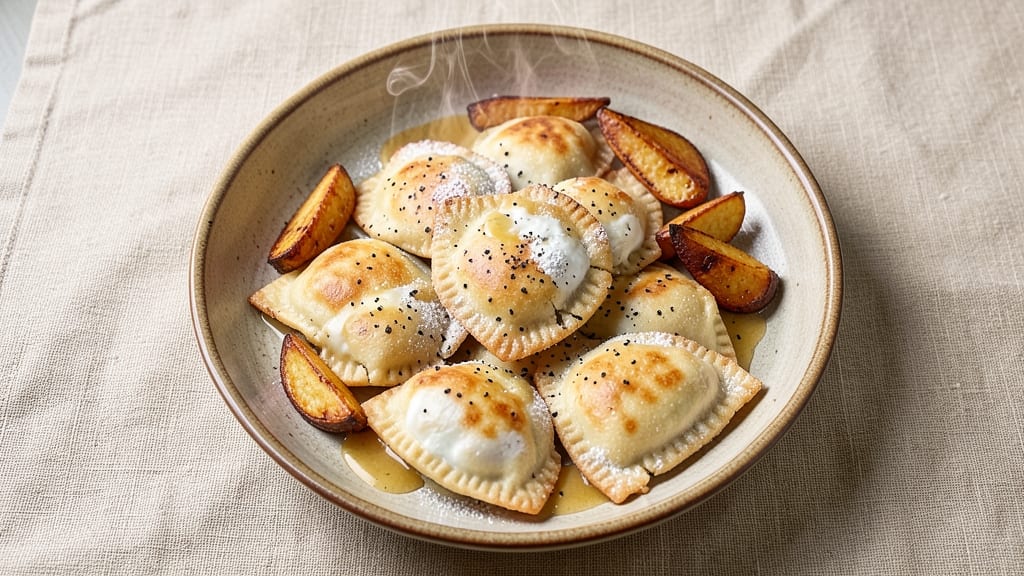
This cheese pierogi recipe brings traditional Polish comfort to your kitchen with tender dumplings that burst with gooey cheese when bitten. The secret lies in perfectly balanced dough—light enough to float, sturdy enough to hold filling—and a classic potato-cheddar filling that melts into creamy pockets.
I’ve refined this recipe over years of testing, ensuring every batch delivers that signature pillowy texture and rich, savory flavor that makes pierogi irresistible.
The process starts with simple ingredients: flour, eggs, and a touch of sour cream for that signature tender bite. For the filling, I use a mix of grated potato, sharp cheddar, and a pinch of salt to enhance the cheese’s natural richness.
The dough rests while you shape the filling into neat little half-moons, then boil until they float—proof they’re ready to be pan-fried to golden perfection. This method guarantees dumplings that are crisp at the edges and soft in the center, every time.
What makes these pierogi special is their versatility. Serve them with a dollop of sour cream, a sprinkle of caramelized onions, or a drizzle of garlic butter for an extra touch of indulgence.
They’re equally at home as an appetizer for a dinner party or a hearty lunch on a chilly day. The aroma alone—warm, buttery, and cheesy—will have everyone at the table asking for seconds before the last dumpling hits the plate.
While traditional pierogi recipes rely on simple ingredients, this version includes a few modern twists you can easily adapt. Try adding spinach or scallions to the filling for extra color and nutrition, or experiment with sweet fillings like blueberries or mashed sweet potato for a dessert-style pierogi.
The key to success? Patience in the dough-making and precision in shaping—once you master those, you’ll have restaurant-quality pierogi right in your own kitchen.
Ingredients for cheese pierogi
Simple pantry staples transform into pillowy pierogi with gooey cheese hearts every time.
| Ingredient | Amount | Notes |
|---|---|---|
| All-Purpose Flour 🌾 | 3 cups | Plus 1 tbsp for dusting |
| Large Eggs 🥚 | 2 whole | Room temperature preferred |
| Sour Cream 🥛 | ¼ cup | Full-fat for best texture |
| Russet Potatoes 🥔 | 1 lb | Unpeeled, grated fine |
| Sharp Cheddar Cheese 🧀 | 1 ½ cups | Freshly grated, block preferred |
| Salt 🧂 | 1 ½ tsp | Kosher or sea salt |
| Unsalted Butter 🧈 | ¼ cup | Cold, cubed for frying |
| Vegetable Oil 🫒 | ½ cup | For boiling water |
| Fresh Dill 🌿 | 1 tbsp | Chopped, optional garnish |
| Garlic Powder 🧄 | ½ tsp | For filling seasoning |
| Black Pepper 🌶️ | ½ tsp | Freshly ground preferred |
| Sour Cream 🥛 | ½ cup | For serving, full-fat |
| Caramelized Onions 🧅 | ½ cup | Optional topping |
The flour is non-negotiable—King Arthur or Gold Medal work best for that tender bite. Costco or bulk bins are great for sour cream, but grab the full-fat version (the good stuff, not the pre-shredded kind). For the potatoes, Russets are ideal—their starchiness holds up to boiling. If you can't find them, Yukon Golds work in a pinch, but they'll be slightly less fluffy. The cheddar? Sharp is key—mild cheddar won't give you that tangy punch. I always buy a block and grate it myself; pre-shredded has anti-caking agents that make the filling gummy.
No sour cream? Plain Greek yogurt works too—just add a pinch of lemon juice to mimic the tang. The filling can be prepped ahead and stored in the fridge for 2 days (wrap it tightly). For the dough, butter at room temperature is crucial—too cold and it won't mix smoothly. Swap the sharp cheddar for Gouda or Monterey Jack if you're feeling adventurous, but stick with full-fat cheese. The caramelized onions? Trader Joe's sells pre-made ones that save time, but homemade is worth the effort if you've got 20 minutes.
Pierogi dough keeps 2 days in the fridge, wrapped in plastic. The filling? 3 days max—it starts to dry out. For make-ahead convenience, freeze uncooked pierogi on a tray first, then transfer to a bag. They'll keep 6 months frozen. When ready to cook, boil from frozen—no need to thaw. These reheat beautifully: 3 minutes in a skillet with butter or 2 minutes in the microwave (less ideal, but fast). Leftovers? Toss them in a 350°F oven for 15 minutes with extra butter for crispy edges.
Why You'll Love This Recipe
- No-Rolling Required: I swear by this dough trick—just mix the flour, egg, and sour cream until it clumps, then fold in the cold cheddar and grated potatoes. No kneading, no fuss, and the filling stays gooey instead of leaking.
- Creamy Cheese Crunch: That sharp cheddar melts into a stretchy, salty blanket while the potatoes add a buttery, almost custard-like texture. Honestly, the contrast is what makes it ridiculous good—crispy edges when pan-fried, creamy inside every bite.
- Potluck Superstar: Freeze them raw in a single layer before packing them into bags—no thawing needed. Toss them straight from frozen into boiling water, then pan-fry for a crowd-pleaser that’s always requested. (Yes, even on a Tuesday night.)
- Budget Stretch: A single bag of potatoes and a block of cheddar feed my family for days. These keep for weeks in the freezer, and I’ve reheated them from frozen with just butter and a splash of milk—zero waste, all flavor. My wallet thanks me.
Step-by-step instructions for cheese pierogi
Let's make these classic dumplings with tender dough and melty cheese filling—easy enough for weeknights but impressive enough for company.
Prepare the Dough with Perfect Texture
In a large mixing bowl, combine the 3 cups all-purpose flour and 1.5 teaspoons salt. Make a well in the center and add the 2 whole large eggs and 0.25 cup sour cream. Using a fork, gently mix the wet ingredients into the flour until a shaggy dough forms.
Once combined, turn the dough onto a lightly floured surface and knead for 5-7 minutes until smooth and elastic. You'll know it's ready when it springs back slightly when pressed. Wrap the dough tightly in plastic wrap and let it rest for 30 minutes at room temperature. This resting period relaxes the gluten, making it easier to roll out later.
Make the Cheese Filling with Russet Potatoes
While the dough rests, peel and grate the 1 lb russet potatoes using a box grater or food processor. Place the grated potatoes in a clean kitchen towel and squeeze out all excess moisture—this step is crucial for preventing soggy pierogi. Transfer the dried potatoes to a bowl and mix in the 1.5 cups sharp cheddar cheese, 0.5 teaspoon garlic powder, and 0.5 teaspoon black pepper. Stir until well combined.
For extra flavor, fold in the 0.5 cup caramelized onions and 1 tablespoon fresh dill. Taste and adjust seasoning if needed. The filling should be flavorful but not overly salty—remember, the dough will add its own saltiness. Cover the bowl and set aside until ready to use.
Roll and Cut the Dough
After the dough has rested, divide it into 4 equal pieces (about 8 ounces each) and roll each piece into a thin rectangle on a lightly floured surface, about 1/8-inch thick. Use a 3-inch round cutter or glass to cut circles from the dough, gently re-rolling the scraps as needed. You should have about 16-18 circles total.
Place 1 tablespoon of filling in the center of each dough circle, leaving space around the edges. Fold the dough over the filling, pressing the edges firmly with your fingers or a fork to seal. Place the sealed pierogi on a floured tray and cover with a damp towel to prevent drying while you finish the batch.
Boil to Golden Perfection
Bring a large pot of water to a gentle boil, adding 0.5 cup vegetable oil to help prevent sticking. Carefully add the pierogi in batches, stirring gently to prevent them from sticking together. Cook for 3-4 minutes until they float to the surface—this means they're fully cooked through. Use a slotted spoon to remove them and drain on a clean kitchen towel.
For extra crispiness, you can pan-fry the boiled pierogi. Heat 0.25 cup unsalted butter in a skillet over medium heat and cook the pierogi for 2-3 minutes per side until golden brown. Serve immediately with 0.5 cup sour cream for dipping and a sprinkle of fresh dill on top.
Pro Tips For Making Cheese Pierogi
- Boil Potatoes Till Fork-Tender: Russets should fall apart like butter when pierced—no half-cooked lumps hiding inside. I learned this the hard way: undercooked potatoes make soggy pierogi filling. Test one early; if it’s still firm after 15 minutes, keep boiling.
- Chill Dough Before Rolling: Warm dough sticks like glue. Wrap the dough log in plastic and refrigerate 30 minutes before rolling—this prevents tearing and makes shaping easier. (Yes, even if you’re impatient like me.)
- Use Sharp Cheddar, Not Mild: Sharp cheddar melts better and adds real flavor. Pre-shredded cheese has anti-caking agents that make filling dry; grate your own instead. Trust me, the difference is noticeable.
- Freeze Filled Pierogi Before Boiling: Freezing for 10 minutes tightens the dough, so they don’t burst open while cooking. Drop them straight from the freezer into boiling water—no waiting, no mess. (Your future self will thank you.)
Flavor customization for this cheese pierogi
Classic Cheese Variations
Start with the traditional potato-cheddar combo, but elevate it with smoked Gouda or Monterey Jack for deeper flavor. I often swap ½ cup of the cheddar for sharp white cheddar—it adds a tangy brightness that cuts through the richness.
For a nutty twist, replace ¼ cup of cheddar with grated Parmesan while keeping the potato base. Always use freshly grated cheese—pre-shredded varieties contain anti-caking agents that make the filling gummy. 🧀
Herb-Infused Fillings
Fresh herbs transform the filling from basic to extraordinary. Add 1 tbsp chopped chives or 1 tbsp fresh dill directly to the potato-cheese mix for a bright, garden-fresh note. For a Mediterranean touch, fold in 1 tbsp chopped sun-dried tomatoes and ½ tsp dried oregano.
If you love garlicky flavors, mince 2 garlic cloves and sauté them in 1 tbsp butter before mixing into the filling. These herbs keep the filling vibrant while balancing the richness of the cheese.
Spicy Kick Options
For heat lovers, add ½ tsp cayenne pepper or 1 tsp smoked paprika to the filling for a slow-building warmth. I like to incorporate ½ cup finely diced jalapeños (seeds removed) for a mild but noticeable spice.
For smoky heat, mix in 1 tsp chipotle powder or ½ tsp crushed red pepper flakes. Balance the heat with an extra pinch of salt—spicy pierogi need the right harmony to shine. Serve with cooling toppings like sour cream or Greek yogurt to temper the burn. 🌶️
Vegetable Boosters
Sneak in extra nutrients with finely grated zucchini or carrots—they blend seamlessly into the filling while adding moisture. For a luxurious touch, fold in ½ cup sautéed mushrooms or ½ cup finely chopped spinach (squeeze out excess water first).
I love adding ½ cup roasted bell peppers for a sweet, smoky depth. These veggies not only enhance flavor but also make the filling more vibrant and visually appealing. Just be sure to pre-cook any vegetables that release water to avoid soggy pierogi.
Sweet & Savory Fusion
Why stop at savory? Try a sweet pierogi twist by replacing the potato with ½ cup mashed sweet potato and ½ cup grated apples in the filling. Add ½ cup pecans for crunch and a touch of cinnamon for warmth.
For a dessert-style pierogi, mix ½ cup ricotta cheese with ½ cup mashed blueberries and a sprinkle of vanilla extract.
These sweet versions are perfect for breakfast or a decadent dessert—just pan-fry them in butter until golden and serve with a drizzle of honey or maple syrup. 🍯
Global Cheese Swaps
Take your pierogi on a culinary trip by swapping cheeses for international flavors. Use feta cheese for a Greek-inspired version, balancing it with olive tapenade in the filling. For an Indian twist, replace cheddar with paneer (cubed and lightly pan-fried) and add ½ tsp garam masala.
A Mexican-inspired filling combines queso fresco, black beans, and corn for a bold, hearty flavor. These global swaps keep the pierogi structure intact while offering exciting new taste experiences. 🗺️
Nutrition facts
Frequently asked questions
Why do my pierogi dough turn out tough instead of pillowy?
Overworking the dough is the most common culprit—knead just until smooth (5-7 minutes) and avoid adding extra flour unless absolutely necessary. The resting time (30 minutes) is crucial too; skip it and the gluten won't relax properly. For extra tenderness, replace 1 tbsp of the flour with cornstarch in the dough recipe.
Can I make pierogi ahead of time for a party?
Assemble the uncooked pierogi, then freeze them on a tray before transferring to a bag. They'll keep 6 months frozen. Cook directly from frozen by boiling 5-6 minutes or pan-frying 3-4 minutes per side. For a shortcut, boil a big batch, then refrigerate them in water with a splash of lemon juice—they'll stay tender for 3 days.
What's the best way to prevent pierogi from sticking together?
Add 0.5 cup vegetable oil to the boiling water (it creates a natural barrier) and stir gently when adding pierogi. For extra insurance, dust your work surface with flour before shaping and keep a bowl of flour nearby to sprinkle between batches. When boiling, don't overcrowd the pot—work in batches of 12-15 pierogi at a time.
How do I fix soggy pierogi?
Soggy pierogi usually mean excess moisture in the filling. Always squeeze grated potatoes thoroughly in a towel before mixing with cheese. For a quick fix, pan-fry soggy boiled pierogi in 0.25 cup butter over medium-high heat for 2-3 minutes per side—the high heat will crisp the exterior while keeping the inside warm. To prevent this entirely, chill the filling for 15 minutes before using.
Can I make cheese pierogi without potatoes?
Yes! For a lighter version, replace potatoes with ½ cup ricotta cheese or ½ cup mashed cauliflower (both add moisture without heaviness). For extra richness, use ½ cup cream cheese instead. The key is maintaining the 1:1 ratio of potato-to-cheese in the original recipe—just swap the potato portion completely. These variations work especially well for low-carb diets.