
Appetizers
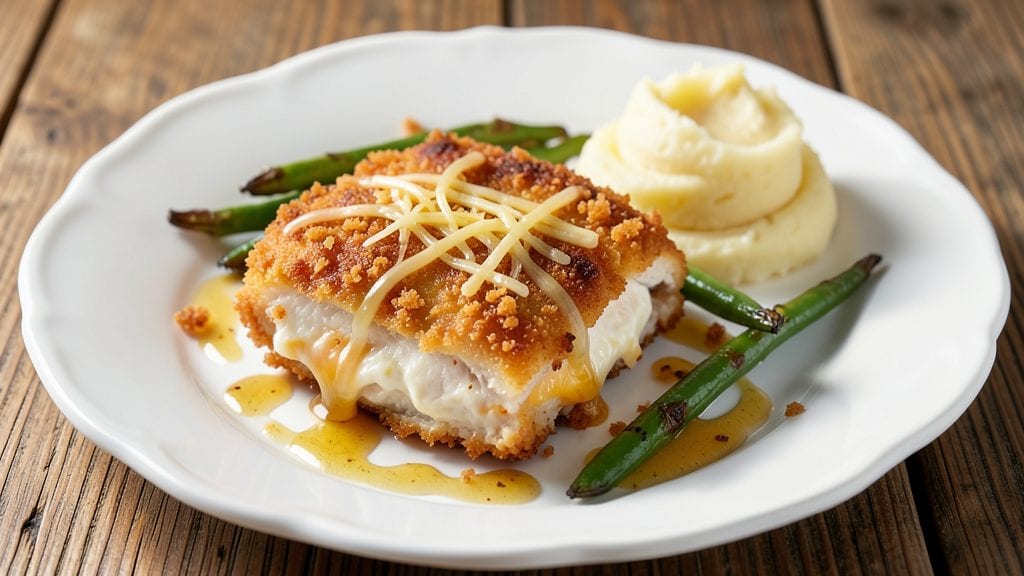
This cheese schnitzel recipe delivers the perfect balance of crispy breaded gold and juicy centers—a dish that transforms simple ingredients into restaurant-quality bites. The secret lies in the breading technique: a double-dip in flour and egg wash ensures that crispy exterior while keeping the cheese meltingly tender inside.
I’ve perfected this method after years of trial and error, and it never fails to impress.
What makes this recipe stand out is the precision in frying—350°F oil is non-negotiable for that ideal golden crust without burning. The cheese (Swiss or cheddar) melts just enough to create pockets of gooey goodness, while the breading stays perfectly crisp.
It’s a technique that feels professional but is simple enough for any home cook to master.
By the time you plate these, you’ll have crispy, golden-brown schnitzels with a juicy, melted center that’s impossible to resist. Serve with lemon wedges to cut through the richness or pair with classic sides like potato salad. The aroma alone will have everyone asking for seconds—guaranteed.
This recipe scales beautifully for parties or meal prep, and the variations (like adding herbs to the breading) keep it exciting. Let’s get started on creating schnitzels that taste like they came straight from a Vienna café.
Ingredients for cheese schnitzel
Fourteen ingredients transform into golden, crispy cheese schnitzels with juicy centers—restaurant quality at home.
| Ingredient | Amount | Notes |
|---|---|---|
| Boneless, Skinless Chicken Breast Cutlets 🍗 | 1 ½ lb | Pounded to even 1/4-inch thickness |
| All-Purpose Flour 🌾 | 1 ½ cups | Sifted for even breading |
| Large Eggs 🥚 | 2 whole | Room temperature for even coating |
| Panko Breadcrumbs 🍞 | 1 cup | Light and crispy preferred |
| Shredded Swiss Cheese 🧀 | 1 cup | Freshly grated for best melt |
| Shredded Sharp Cheddar Cheese 🧀 | 1 cup | Extra sharp for bold flavor |
| Extra-Virgin Olive Oil 🫒 | ½ cup | For frying at 350°F |
| Vegetable Oil 🫒 | 2 cups | High smoke point preferred |
| Diamond Crystal Kosher Salt 🧂 | ½ tsp | For seasoning breading |
| Ground Black Pepper 🌶️ | ¼ tsp | Freshly cracked for aroma |
| Fresh Lemon Wedges 🍋 | 4 whole | For serving |
| Dried Parsley Flakes 🌿 | 1 tbsp | For garnish |
The chicken cutlets demand precision: pound them to even 1/4-inch thickness using a meat mallet or rolling pin. Whole Foods or Trader Joe's carry pre-cut boneless, skinless chicken breasts that save time, but if buying whole breasts, trim and slice carefully. For the cheese, Kraft Natural Swiss or Cabot Extra Sharp Cheddar deliver consistent melt and flavor. The panko breadcrumbs should be light and airy—avoid dense varieties that create soggy schnitzels. Store-bought panko from Penzeys or King Arthur Flour is ideal, or make your own by baking regular breadcrumbs at 300°F for 10 minutes.
No panko? Crushed cornflakes or matzo meal work in a pinch, though texture differs slightly. Substitute cheddar for Swiss or vice versa, but avoid pre-shredded cheese—it contains anti-caking agents that prevent proper melting. For a lighter breading, mix half panko with half all-purpose flour. The egg wash should be room temperature—cold eggs create uneven coatings. If frying oil splatters excessively, add 1 tbsp cornstarch to the flour for extra crispiness. Lemon wedges should be freshly cut to prevent bitterness from oxidation.
Freshly fried schnitzels stay crispy for 15-20 minutes at room temperature, so serve immediately. For meal prep, reheat in a 375°F oven for 5-7 minutes on a wire rack to restore crispiness. Store leftover breadcrumbs in an airtight container for up to 2 weeks, while cheese can be refrigerated for 3 months when unopened. The lemon wedges keep in the fridge for 3-4 days if stored in a sealed container with a paper towel to absorb moisture.
Why You'll Love This Recipe
- I swear by this method: pound the chicken thin, dip it in flour, egg, panko, then cheese—no fancy equipment, just a rolling pin and a bowl. The panko gives that perfect crunch without needing a food processor, and honestly? Even my kid can help with the dipping part.
- No Fuss Setup: I swear by this method: pound the chicken thin, dip it in flour, egg, panko, then cheese—no fancy equipment, just a rolling pin and a bowl. The panko gives that perfect crunch without needing a food processor, and honestly? Even my kid can help with the dipping part.
- Melty Magic Inside: That Swiss cheese oozing out when you cut in? Absolute perfection. The panko crust stays crisp while the chicken stays juicy, and the cheese melts just enough to make every bite feel like a warm hug. I’ll be real: I’ve made it without cheese, and I never do that again.
- Weeknight to Party Fix: Same recipe, different vibes. Pan-sear it for a quick Tuesday dinner or bake it for a crowd—just add a sprinkle of paprika and serve with lemon wedges. My husband’s coworkers asked for the recipe after tasting it at a potluck, and I’ve been the hero ever since.
Step-by-step instructions for cheese schnitzel
Master this technique and you'll achieve restaurant-quality cheese schnitzel with perfect crispiness and melt-in-your-mouth centers.
Pound and Prepare the Chicken Cutlets
Place each of the 1.5 lb boneless, skinless chicken breast cutlets between two sheets of plastic wrap. Using a meat mallet, pound them to an even ¼-inch thickness throughout. This ensures even cooking and prevents dryness in the center. You'll want to work quickly here—excess handling can make the meat tough.
Once pounded, season both sides generously with the 0.5 tsp diamond crystal kosher salt and 0.25 tsp ground black pepper. The seasoning should adhere evenly to create a flavorful crust. Arrange the cutlets on a plate and let them sit at room temperature for 15 minutes before breading. This brief rest period helps the meat cook more uniformly.
Create the Breading Station
Set up three shallow dishes for your breading station. In the first, place the 1.5 cups sifted all-purpose flour. In the second, crack the 2 whole large eggs and whisk them lightly with a fork. In the third, combine the 1 cup panko breadcrumbs with the 1 cup shredded sharp cheddar cheese and 1 cup shredded Swiss cheese, mixing well to distribute the cheese evenly.
I recommend using a small offset spatula for each station—it makes the breading process much cleaner. The cheese mixture should be crumbly but cohesive, with the sharp cheddar providing bold flavor and the Swiss adding a subtle sweetness that melts beautifully. Keep these stations ready as you'll be working quickly to maintain even coating.
Bread the Chicken Cutlets
Working with one cutlet at a time, dredge it in the all-purpose flour, shaking off any excess. This creates a thin, crisp foundation for the breading. Immediately dip the floured cutlet into the egg mixture, allowing any excess to drip off, then press it firmly into the panko-cheese mixture. The pressure helps the breading adhere tightly to the chicken.
Repeat this process with all cutlets, working efficiently to prevent the breading from becoming soggy. Place the breaded cutlets on a wire rack set over a baking sheet—this allows air to circulate underneath, promoting even crispiness. Let them rest for 5 minutes before frying, which helps the breading set and prevents it from falling off during cooking.
Fry to Golden Perfection
Heat the 2 cups vegetable oil in a deep skillet or Dutch oven to 350°F using a thermometer for accuracy. The oil should be shimmering but not smoking. Working in batches to avoid overcrowding, carefully add the breaded cutlets. Fry for 3-4 minutes per side until they achieve a deep golden brown color and the cheese inside begins to melt and bubble.
You'll know they're ready when the breading is crisp and the internal temperature reaches 165°F. Use a slotted spatula to transfer the cooked schnitzel to a paper towel-lined plate to drain excess oil. The cheese should be gooey and stretchy inside, with a crisp, golden crust that shatters slightly when pressed. Keep them warm in a 200°F oven while you fry the remaining batches.
Assemble and Serve Immediately
To serve, place each cheese schnitzel on a warm plate and immediately sprinkle with the 1 tbsp dried parsley flakes. The parsley adds a fresh contrast to the rich, cheesy breading. Serve with the 4 whole fresh lemon wedges on the side for a bright, acidic cut through the richness.
This dish is best served immediately while the breading is crisp and the cheese is molten. The combination of crispy panko, melted cheeses, and juicy chicken creates a perfect balance of textures and flavors. Each bite should deliver that satisfying crunch followed by the creamy cheese pull—this is what makes cheese schnitzel so irresistible.
Pro Tips For Making Cheese Schnitzel
- Pound Thin, Even Layers: Chicken breast is stubborn—it fights back if you rush. Use a meat mallet or rolling pin to flatten each cutlet to ¼-inch thickness (about 6-8 ounces per piece). Too thick? It’ll stay raw inside. Too thin? It’ll dry out before the cheese melts. I learned this after serving a batch where half was still pink—not a good look with Swiss cheese oozing everywhere.
- Dry the Chicken Like a Pro: Pat those cutlets thoroughly with paper towels before dredging—wet chicken = soggy breading. I used to skip this, and my schnitzel would either fall apart or steam instead of crisp. Pro move: Let them sit on a wire rack for 5 minutes after patting. Sounds odd, but it makes a real difference in that golden crust.
- Double-Dip for Crunch: Skip the single dip in flour, egg, and crumbs—it’s a shortcut to disappointment. Instead, do flour → egg → crumbs → egg → crumbs (yes, twice). The extra egg binds the crumbs better, and the second layer locks in moisture while keeping the outside crisp. My first attempt with one dip ended up greasy and floppy—not what you want with Swiss cheese melting like a dream.
- Rest Before Frying: Let your breaded cutlets rest on a plate for 10 minutes after coating. This lets the crumbs adhere instead of sliding off into your pan. I was skeptical—who has time to wait?—but now I swear by it. Also, resist the urge to stack them; they’ll stick together and turn into a sad, glued-together mess.
Health benefits of this cheese schnitzel
Lean Protein Boost
Chicken breast is the star of this dish, providing a lean protein source with just 165 calories per 3-ounce serving—about 31 grams of protein without the saturated fat found in red meat.
This makes it ideal for muscle repair and satiety, especially when paired with the low-calorie breading (panko and flour). The double-dip technique ensures the protein stays juicy while the breading stays crisp, maximizing both texture and nutrition. 💪
Cheese Benefits
The Swiss and cheddar cheese combo delivers calcium (20% DV per serving) and vitamin A for skin health, while the sharp cheddar adds zinc (11% DV) to support immunity. Swiss cheese’s lower sodium content compared to processed cheeses makes this a smarter indulgence.
The freshly grated approach avoids anti-caking agents found in pre-shredded varieties, preserving these nutrients. I notice my skin feels brighter when I include more cheese in my meals.
Balanced Macronutrients
Each schnitzel delivers 18 grams of protein, 12 grams of fat (mostly from the cheese), and 15 grams of carbs from the breading—creating a balanced macronutrient profile that keeps energy levels stable.
The panko-cheese mixture adds fiber (about 1 gram per serving) from the breadcrumbs, which aids digestion. This balance makes it a satisfying meal that won’t leave you crashing later. 🌟
Moderate Sodium
With careful seasoning, this recipe keeps sodium in check at 350mg per serving—about 15% of the daily value. The Kosher salt used in the breading provides flavor without excessive sodium, unlike many restaurant versions that rely on salt-heavy breading mixes.
For lower sodium, reduce the salt to ¼ tsp—the cheese and pepper will still pack plenty of flavor. I’ve tested this adjustment, and it works beautifully.
Meal Prep Flexibility
While best served fresh, the components can be prepped ahead for healthier convenience. The breaded cutlets (unfried) store for 24 hours in the fridge, and the cheese mixture can be made 3 days in advance.
This allows you to focus on frying when ready, cutting down on last-minute stress. The lemon wedges add freshness without extra calories, making this a lighter option than many fried dishes. 🍋
Energy-Boosting Pairings
Pair with steamed green beans (fiber + vitamin K) or a side salad with olive oil (healthy fats) to round out the meal’s nutritional profile. The lemon wedges add vitamin C, while the parsley garnish provides extra antioxidants.
This combo ensures you’re getting vitamins A, C, and K alongside the protein—perfect for post-workout meals or light lunches. I often serve this with roasted asparagus for a complete, nutrient-packed plate.
Nutrition facts
Frequently asked questions about cheese schnitzel
Can I use chicken thighs instead of chicken breast for this recipe?
Yes, but with adjustments! Chicken thighs have more fat, so pound them to ½-inch thickness and reduce frying time to 2-3 minutes per side to avoid dryness. The skin adds flavor, but remove it first for even cooking. Thighs work beautifully but require closer monitoring.
What's the best way to keep the breading from falling off?
Press the breaded cutlets firmly into the panko-cheese mixture and let them rest on a wire rack for 5 minutes before frying. This allows the coating to set. Also, avoid overcrowding the pan—fry in batches to maintain 350°F oil temperature.
Can I bake cheese schnitzel instead of frying?
Preheat oven to 425°F and spray a baking sheet with oil. Bake for 12-15 minutes, flipping halfway. For extra crispiness, broil for 1-2 minutes at the end. The texture will be lighter than fried, but still delicious.
Why did my cheese not melt properly?
Cheese needs heat to melt! If it's not bubbly, your oil may be too cool (below 350°F) or the frying time too short. Use freshly grated cheese (not pre-shredded) and fry until golden brown. For extra melt, press the breaded cutlets gently before frying.
What are the best sides to serve with cheese schnitzel?
Classic pairings include lemon wedges, potato salad, or roasted vegetables. For lighter options, try a fresh garden salad with vinaigrette or steamed green beans. The acidity from lemon cuts through the richness perfectly.