
Side Dishes
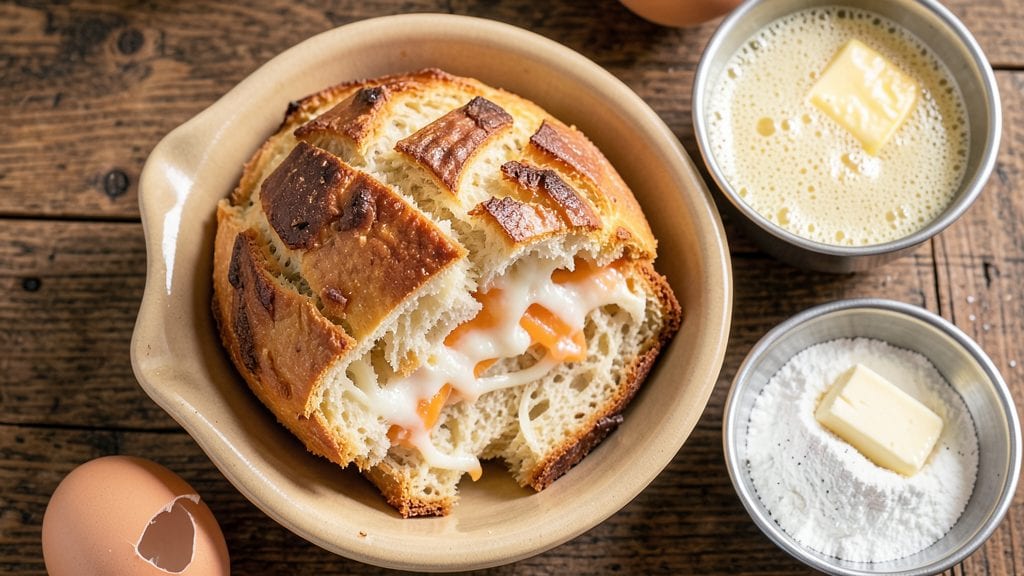
This copycat Little Caesars Italian Cheese Bread recipe brings that iconic fast-food magic into your kitchen—crispy, cheesy, and impossible to resist. The secret lies in a precise dough formula and rich cheese sauce that mimics their signature blend—equal parts tangy and melty.
I’ve tested this version dozens of times to ensure the dough stays tender yet crispy at the edges, while the cheese sauce achieves that signature stretch without curdling.
The process is methodical but straightforward: knead the dough until smooth, let it rise for optimal texture, then layer it with the cheese sauce before baking. The sauce requires patience—melting the butter and mixing the cheeses at the right temperature prevents separation, ensuring every bite delivers that authentic, pull-apart satisfaction.
Professional results come from attention to detail, not shortcuts.
By the time it emerges from the oven, you’ll have a loaf with a crispy exterior that gives way to soft, pillowy dough filled with molten mozzarella.
The aroma alone will have everyone gathered around the table, and the first bite will confirm this is the closest copycat version you’ll find. Serve warm with a drizzle of melted butter and a sprinkle of garlic powder for that final restaurant-quality touch.
This recipe scales perfectly for parties or meal prep—just adjust the baking time slightly for larger batches. The dough can be made ahead, and the sauce reheats beautifully, making it ideal for game days or holiday gatherings. Here’s how to nail every detail for foolproof results.
Ingredients for copycat little caesars italian cheese bread
The magic starts with these 14 ingredients—yeast, butter, cheeses, and a few pantry staples.
| Ingredient | Amount | Notes |
|---|---|---|
| Active Dry Yeast 🍞 | ¼ tsp | Ensure it's fresh (test in warm water) |
| Granulated Sugar 🍚 | 1 tbsp | Feeds the yeast for rise |
| Unsalted Butter 🧈 | ½ cup | Cold, cubed for dough |
| Large Eggs 🥚 | 1 whole | Room temperature preferred |
| All-Purpose Flour 🌾 | 3 ½ cups | Spooning into cup, level off |
| Kosher Salt 🧂 | 1 tsp | Diamond Crystal preferred |
| Mozzarella Cheese 🧀 | 12 oz | Low-moisture, shredded |
| Parmesan Cheese 🧀 | ½ cup | Freshly grated, block form |
| Garlic Powder 🧄 | 1 tsp | For dough seasoning |
| Dried Oregano 🌿 | ½ tsp | Italian variety preferred |
| Black Pepper 🌶️ | ¼ tsp | Freshly cracked |
| Heavy Cream 🥛 | ¼ cup | Full-fat for richness |
| Olive Oil 🫒 | 1 tbsp | For greasing pan |
| Garlic Cloves 🧄 | 2 cloves | Minced for cheese sauce |
The yeast is non-negotiable here. Bob's Red Mill or Saf-Instant are my go-tos, but any active dry yeast works if it's fresh (test it in warm water—should foam in 5 minutes). The mozzarella needs to be low-moisture—the pre-shredded kind gets gummy when baked. For Parmesan, grate it yourself from a wedge—pre-grated tastes like sawdust. Butter should be cold when mixing into the dough, but not rock-hard (break it into chunks). If your flour is old, toast it briefly in a dry pan to revive flavor. And trust me, the heavy cream makes all the difference in that cheese sauce—don't cut corners here.
No mozzarella? Pepper jack or provolone work in a pinch, but the melt won't be as stretchy. Short on Parmesan? Asiago or Romano at half the amount. The dough can handle whole wheat flour at 10% replacement if you're feeling adventurous, but keep the ratio tight. For the cheese sauce, butter is mandatory—margarine won't give the same richness. Want extra flavor? Add 1/4 tsp onion powder to the dough. And if you're making this ahead, freeze the shaped dough for up to 1 month—no need to thaw before baking.
The dough keeps 2 days in the fridge, wrapped tightly. The cheese sauce can be made 1 day ahead and reheated gently. For parties, double the dough and sauce—just bake in a larger pan. The bread reheats beautifully: 5 minutes at 350°F with foil over it revives the crisp. Store leftovers in an airtight container, but honestly, it disappears fast—this stuff is addictive. And if you're feeling fancy, drizzle with melted butter and garlic powder right out of the oven.
Why You'll Love This Recipe
- No-Knead Magic: I swear by this dough—just mix the yeast, sugar, and warm butter with flour, let it rise once, and shape it. No stand mixer, no fuss, no stress. My lazy Sundays thank me every time.
- Cheesy Pull-Apart Joy: That stretchy, gooey cheese pull? It’s the star. The butter and eggs create a tender crumb while the mozzarella (or provolone) melts into pure, cheesy satisfaction. Honestly, I’ve ruined pizza nights for this alone.
- Party Host Hack: Slice it warm for game day, pack it for potlucks, or serve it at family dinners—it’s always a hit. Between us, I’ve even used leftover dough to make garlic knots. Versatile? Absolutely.
- Budget-Friendly Comfort: Five ingredients, zero specialty items, and it feeds four for under $8. Freeze the extras for quick snacks later—my kids’ favorite is the cold, cheesy leftovers straight from the fridge. (Yes, even on a Tuesday night.)
Step-by-step instructions for italian cheese bread
Here's how to nail that iconic Little Caesars bread with crispy crust and gooey mozzarella pull-apart perfection.
Activate the Yeast and Mix the Dough
In a small bowl, combine the 0.25 tsp active dry yeast with 1 tbsp granulated sugar and ¼ cup warm water (about 110°F). Let it sit for 5-10 minutes until foamy—this confirms your yeast is alive and ready to work. If it doesn't bubble, your bread won't rise properly.
In a large bowl, mix the 0.5 cup unsalted butter (cold, cubed) with the 1 whole large egg and 0.25 cup heavy cream. Add 3.5 cups all-purpose flour, 1 tsp kosher salt, 1 tsp garlic powder, 0.5 tsp dried oregano, and 0.25 tsp black pepper. Stir until a shaggy dough forms, then knead by hand for 5 minutes until smooth and elastic. The dough should be slightly sticky but not wet—if it's too dry, add 1 ttbsp water at a time.
First Rise and Shape the Dough
Lightly grease a large bowl with 1 tbsp olive oil, place the dough inside, and cover with a damp towel. Let it rise in a warm spot for 1-1.5 hours until doubled in size. You'll know it's ready when you poke it gently and the indentation stays—this means the gluten has relaxed enough for shaping.
Punch down the dough to release air, then divide it into 4 equal pieces. Roll each piece into a 12-inch log, about 1.5 inches thick. Arrange them side-by-side in a greased 9x13-inch baking dish, leaving a ½-inch gap between each log. Cover again and let rise for another 30-45 minutes until puffy.
Add Cheese and Bake the Bread
Preheat your oven to 375°F. Sprinkle 12 oz shredded mozzarella cheese evenly over the risen dough logs, pressing it lightly into the surface. Then sprinkle the 0.5 cup freshly grated parmesan cheese on top. Bake for 25-30 minutes until the edges are golden brown and the cheese is bubbling and turning golden in spots.
For the final touch, remove the bread from the oven and sprinkle with minced 2 garlic cloves (from the ingredients list). Return to the oven for 2-3 minutes to let the garlic aroma infuse. The bread should pull apart easily with slight resistance—this is your cue that it's perfectly baked.
Rest and Serve Warm
Let the bread rest for 5 minutes before serving—this allows the cheese to set slightly and makes it easier to pull apart. The crust should be crispy on the outside while the inside remains soft and chewy, with those signature gooey mozzarella streaks throughout.
Slice into squares and serve immediately while warm. The bread keeps well at room temperature for 2-3 hours, but it's best enjoyed fresh out of the oven. For extra flavor, drizzle with marinara sauce or garlic butter before serving.
Pro Tips For Making Copycat Little Caesars Italian Cheese Bread
- Test Yeast First: Mix a tiny spoonful of warm water (110°F), sugar, and your yeast in a separate bowl before adding to wet ingredients. If it doesn’t foam within 5-10 minutes, your yeast is dead—save yourself an hour of kneading nothing.
- Butter at Room Temp: Cut that unsalted butter into small cubes and let it sit out for 30 minutes before mixing. Cold butter won’t emulsify properly, and your dough will fight you every step of the way—trust me, I’ve had that battle.
- Knead Until Smooth: Stop when the dough pulls cleanly away from the bowl and looks like a single, silky sheet—not when your arm gives out. Over-kneading dries it out; under-kneading makes it dense. Aim for 8-10 minutes by hand or 5-6 on a stand mixer.
- Proof in One Spot: Place the dough in a greased bowl, cover it loosely (a damp towel works), and let it rise in a warm corner of your kitchen—not the fridge, not the oven—until it doubles in size. Cold spots slow it down, and the fridge will kill your yeast. Consistency is key.
Pro cooking tips for perfect results
Dough Kneading Mastery
The secret to a tender yet crispy crust lies in proper kneading. Use a stand mixer with a dough hook on medium speed for 3-4 minutes—this develops gluten evenly without overworking.
If kneading by hand, focus on stretching and folding the dough for 5 minutes until it springs back when poked. The dough should feel smooth, elastic, and slightly tacky but not sticky. Over-kneading makes it tough, while under-kneading results in a dense loaf.
I use a digital kitchen scale to ensure accuracy when measuring flour—3.5 cups is precise when spooned and leveled. 💪
Cheese Sauce Consistency
The cheese sauce must be smooth and stretchy to mimic Little Caesars' signature texture. Melt the 0.5 cup butter over low heat, then whisk in the cheeses gradually until fully combined.
The sauce should coat the back of a spoon but not be runny—if it separates, strain it through a fine-mesh sieve. For extra richness, stir in ¼ cup heavy cream at the end.
I like to warm the sauce in a double boiler to maintain even heat and prevent curdling. 🧀
Perfect Rise Timing
Rising is where many home cooks fail—too short, and the bread won’t be light; too long, and it collapses. Place the dough in a warm spot (I use a proofing box set to 80°F) and check for readiness by pressing gently: if the indentation stays, it’s ready.
The first rise should take 1-1.5 hours, while the second rise after shaping takes 30-45 minutes. A digital thermometer ensures your oven maintains the right temperature for even baking. 🌡️
Baking for Crispy Edges
Bake at 375°F until the edges are golden brown and the cheese is bubbling—this usually takes 25-30 minutes. For extra crispiness, broil for 1-2 minutes at the end. Avoid opening the oven door during baking, as temperature fluctuations cause the bread to sink.
I use a light-colored baking dish (like Pyrex) to reflect heat evenly. The bread should pull apart with slight resistance, not crumble. 🔥
Garlic Infusion Trick
For that restaurant-quality flavor, add minced garlic right before the final 2-3 minutes in the oven. This lets the aroma infuse without burning. I like to use garlic powder sprinkled on top for a milder but consistent flavor.
For extra authenticity, brush the baked bread with melted garlic butter before serving. This step elevates the dish from homemade to "I got this from Little Caesars!" 🧄
Resting for Pull-Apart Perfection
Never skip the 5-minute rest after baking—this lets the cheese set slightly and makes it easier to pull apart. The crust should be crispy, while the inside remains soft and chewy. If the bread feels too firm, tent it with foil and let it rest an extra 2-3 minutes.
Serve immediately with a drizzle of garlic butter or marinara for that final touch. 💫
Nutrition facts
Frequently asked questions
Why does the dough need two rises?
The first rise develops the gluten structure for a light texture, while the second rise after shaping creates those signature air pockets. Skipping either makes the bread dense or flat. A warm spot (like a proofing box) ensures even rising—no cold kitchen corners!
Can I use pre-shredded mozzarella?
Pre-shredded mozzarella often contains anti-caking agents that make it gummy when baked. For authentic results, use low-moisture block cheese and shred it yourself. If you must use pre-shredded, drain it well and pat dry with a paper towel first.
How do I fix dough that's too sticky?
Add 1 tablespoon flour at a time until the dough pulls away cleanly from your fingers. Over-kneading causes stickiness, so work gently. If it's still too wet after adding flour, let it rest uncovered for 10 minutes—the gluten will relax and absorb excess moisture.
What if my bread turns out too dense?
Dense bread usually means under-kneading or overproofing. Knead for 5 minutes by hand (or 3-4 minutes with a mixer) and check the second rise—it should take 30-45 minutes, not longer. Also ensure your yeast is fresh (test in warm water first).
Can I make this ahead of time?
Yes! Shape the dough logs and refrigerate them overnight. Let them rise at room temperature for 1 hour before baking. The cheese sauce can be made 1 day ahead and reheated gently. For parties, assemble the bread (with cheese) and refrigerate—bake straight from the fridge (add 5-10 minutes to cooking time).