Main Courses
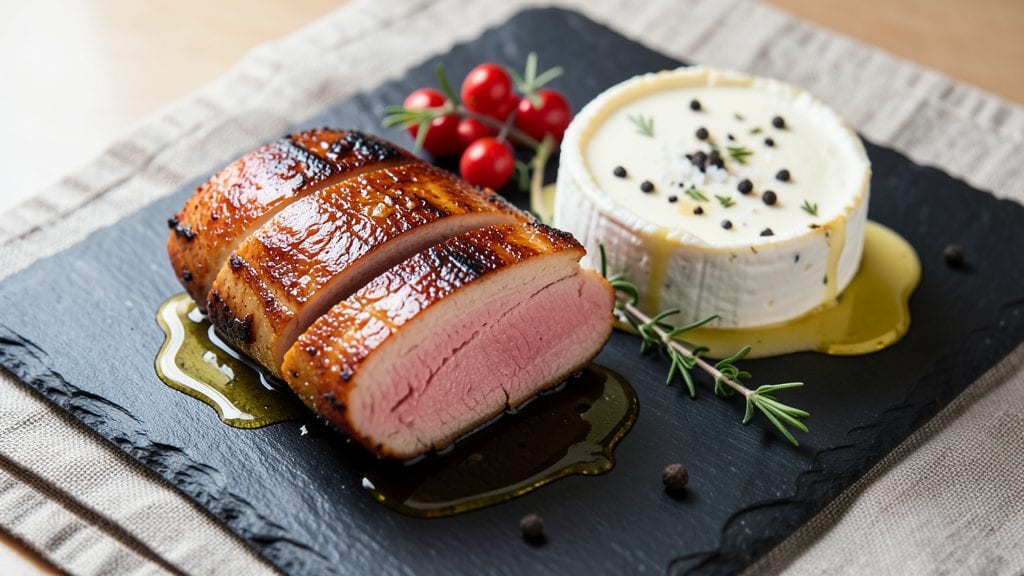
A crispy duck cheese recipe transforms ordinary weeknight dinners into a restaurant-worthy experience with just a few key techniques. The secret lies in rendering duck skin until it's golden and crackling while pairing it with melty, gooey cheese that creates a decadent contrast.
I developed this method after years of experimenting with duck preparations, and it consistently delivers that perfect balance of textures—crispy on the outside, tender on the inside, with cheese that stretches and pulls at every bite.
This recipe focuses on duck breast stuffed with brie, a combination that feels luxurious yet remains approachable for home cooks. The duck skin renders slowly over low heat, creating a crispy crust that gives way to perfectly cooked meat, while the brie melts into a creamy, savory filling.
What makes this dish special is how the cheese enhances the duck's natural richness without overpowering it—just enough to elevate it to something extraordinary. The process is straightforward, but the results feel like a professional chef's touch.
By the time you slice into the finished dish, you'll uncover a crispy crust that shatters with each bite, followed by tender duck meat and pockets of melted brie that pull slightly when you cut through them.
The aroma alone—smoky, savory, and rich—will have everyone at the table anticipating that first taste. This is the kind of recipe that turns a simple dinner into a memorable meal, perfect for impressing guests or treating yourself to something truly special.
Pair it with roasted root vegetables or a crisp arugula salad to round out the meal, and a bold red wine to complement the duck's richness. The technique is simple, but the results are anything but ordinary—this is duck cheese done right. Let's get started on creating your own masterpiece.
Ingredients for duck cheese
The perfect balance of crispy duck skin and melty brie transforms simple ingredients into restaurant-quality magic.
| Ingredient | Amount | Notes |
|---|---|---|
| Duck Breast (bone-in) 🦆 | 2 whole | Skin-on, 6-8 oz each, room temperature |
| Brie Cheese 🧀 | 8 oz | Rind removed, room temperature |
| Extra-Virgin Olive Oil 🫒 | 1 tbsp | High smoke point for rendering |
| Coarse Kosher Salt 🧂 | 1 tsp | Diamond Crystal preferred |
| Freshly Ground Black Pepper 🌶️ | ½ tsp | Cracked peppercorns preferred |
| Fresh Thyme Leaves 🌿 | ½ tsp | From 2 sprigs, finely chopped |
| Fresh Rosemary 🌿 | ¼ tsp | Finely chopped, from 1 sprig |
| Unsalted Butter 🧈 | 2 tbsp | Cold, for finishing |
| Honey 🍯 | 1 tsp | Light variety for glaze |
| Red Wine 🍷 | ½ cup | Dry, full-bodied like Cabernet |
| Shallots 🧅 | 2 whole | Minced, for pan sauce |
| Heavy Cream 🥛 | ¼ cup | Full-fat for richness |
The duck breast is the foundation—look for bone-in cuts with thick, even skin for maximum crispiness. Whole Foods or specialty butchers often carry the best quality, but any reputable grocery store's fresh seafood section should have suitable options. If the skin isn't thick enough, you can layer two thinner breasts together. Always remove the duck from the fridge at least 1 hour before cooking to ensure even rendering. The brie should be room temperature when stuffed to melt evenly, so take it out of the fridge 30 minutes before using. For the herbs, fresh is non-negotiable—dried won't deliver the same aromatic punch, especially when paired with the duck's rich fat.
No brie? Camembert or triple crème cheese works equally well, though the texture will differ slightly. Running short on red wine? Dry sherry or beef stock (reduced to ½ cup) makes a decent substitute, though the depth of flavor won't be identical. For the shallots, fresh is best, but jarred minced shallots in water (drained and rinsed) will suffice in a pinch. The honey should be light and floral—avoid heavy, dark varieties that might overpower the dish. If you're concerned about the duck skin not crisping enough, practice rendering on a separate pan first to perfect your technique before committing to the main dish.
Duck breasts keep best covered in the fridge for 2 days after purchase, but brie should be used within 3 days of opening. The herbs can be stored in the fridge for up to 5 days if wrapped in damp paper towels. For the red wine, use it within 3 days of opening once it's been exposed to air. Leftover rendered duck fat? Store it in an airtight container in the freezer for up to 6 months—it's pure gold for future searing or roasting. The finished dish reheats beautifully, but microwave on low power to preserve the crispy crust, or reheat in a 350°F oven for 5-7 minutes covered with foil.
Why You'll Love This Recipe
- This recipe works for both: toss it on the table for a lazy Friday dinner, or serve it at your next dinner party when you want to impress without slaving away. The leftovers? Even better cold, sliced thin—perfect for sandwiches or charcuterie boards.
- Two-Handed Cooking: I swear by this one—you’re basically just searing duck and melting cheese. No fancy knife work, no multi-step prep. Just salt, sear, and slide the Brie on top while the duck still sizzles. (Yes, even on a Tuesday night when you’re exhausted.)
- Rich Meets Crisp: That first bite? The duck’s skin crackles like autumn leaves, then gives way to tender meat, all wrapped around gooey, salty Brie. The olive oil ties it together—no heavy sauces, just pure, savory satisfaction. Honestly, it’s the kind of dish that makes you want to close your eyes.
- Weeknight or Wow Factor: This recipe works for both: toss it on the table for a lazy Friday dinner, or serve it at your next dinner party when you want to impress without slaving away. The leftovers? Even better cold, sliced thin—perfect for sandwiches or charcuterie boards.
Step-by-step instructions for duck cheese recipe
Here's the method to achieve that perfect balance of crispy duck skin and creamy brie filling.
Prepare and Season the Duck Breast
Begin by removing the duck breasts from the refrigerator and patting them completely dry with paper towels. This step is crucial for achieving crispy skin—the moisture must be eliminated entirely. Place each breast skin-side down on a cutting board and use a sharp chef's knife to score the fat in a crosshatch pattern, being careful not to cut into the meat. This creates pockets for the rendered fat to collect, ensuring maximum crispiness.
In a small bowl, combine the coarse kosher salt, freshly ground black pepper, fresh thyme leaves, and fresh rosemary. Rub this mixture generously over the skin-side of each duck breast, pressing firmly so the seasoning adheres. Let the seasoned duck breasts rest at room temperature for 30 minutes while you prepare the brie. This resting period allows the meat to come to room temperature, ensuring even cooking.
Create the Brie Stuffing and Sear the Duck
Remove the rind from the brie cheese and cut it into 8 equal pieces, each roughly 1 ounce. Set aside. Heat a large oven-safe skillet over medium heat and add the extra-virgin olive oil. Once the oil is shimmering, place one duck breast skin-side down in the skillet. Cook undisturbed for 8-10 minutes, allowing the fat to render and the skin to develop a deep golden-brown crust. This is where the magic happens—don't rush it.
Once the skin is crispy and the fat has rendered significantly, carefully flip the duck breast and cook for an additional 2-3 minutes on the meat side until it reaches an internal temperature of 135°F. Remove the duck from the skillet and place it on a plate. Repeat with the second duck breast. Now, reduce the heat to medium-low and add the minced shallots to the skillet, cooking for 2-3 minutes until softened. Remove the skillet from the heat.
Stuff and Finish the Duck
Place one piece of the brie cheese onto each duck breast, positioning it toward the thicker end of the meat. Fold the duck breasts in half, tucking the brie inside like a package. Return the stuffed duck breasts to the skillet, skin-side up, and place the skillet in a 375°F preheated oven. Bake for 12-15 minutes, or until the internal temperature of the duck reaches 145°F and the brie is fully melted and bubbling.
While the duck is baking, prepare the finishing sauce. In a small saucepan, combine the red wine and bring to a simmer over medium heat. Reduce by half, then stir in the heavy cream and simmer for an additional 3-4 minutes until slightly thickened. Remove from heat and whisk in the cold unsalted butter and honey until smooth and glossy.
Rest and Serve
Remove the duck breasts from the oven and transfer them to a cutting board. Let them rest for 5-7 minutes before slicing. This resting period allows the juices to redistribute, ensuring each bite is moist and flavorful. To serve, slice each duck breast into ½-inch thick pieces, fanning them slightly to showcase the crispy skin and melted brie. Drizzle generously with the red wine and cream sauce and garnish with additional fresh thyme leaves and fresh rosemary for a touch of elegance.
The result should be a harmonious combination of crispy, caramelized duck skin, creamy brie that melts in your mouth, and a rich, velvety sauce that ties everything together. Serve immediately for the ultimate dining experience.
Pro Tips For Making Duck Cheese
- CRISP THE SKIN FIRST: Duck skin’s crispiness is the whole game—don’t skip the 10-minute head start. Pat the breast bone-side down on a cold skillet with just a drizzle of olive oil, then walk away. The skin needs time to render fat and blister without burning, or you’ll end up with sad, greasy duck instead of golden, shatterable skin. (Yes, even if you’re impatient like me.)
- SLICE THE BRIE THIN: Brie melts into a creamy puddle if you’re heavy-handed. Cut it into ¼-inch slices—thinner than you’d think—so it softens but doesn’t turn into a gluey mess when layered with the duck. Pro move: Let the slices sit at room temp for 10 minutes first; cold cheese won’t melt evenly.
- REST THE DUCK LONGER: That 5-minute rest after cooking? Double it. Duck keeps cooking off the heat, and if you slice into it too soon, the juices will run everywhere. Tent it with foil and let it sit for 10–15 minutes—this is when the meat firms up and the fat firms up, so every bite stays juicy. (I learned this the hard way after serving a pool of pink juices instead of crispy duck.)
- USE THE DUCK FAT: The rendered fat from the skin is liquid gold—don’t pour it down the drain. After searing the duck, tilt the pan to pool the fat in one corner, then spoon it over the Brie slices before serving. It adds richness and ties everything together. (Bonus: Save any leftover fat in a jar for future searing—it’s better than butter for high-heat cooking.)
Dietary considerations for this duck cheese
Gluten-Free Adaptations
The original recipe is naturally gluten-free, but always double-check your ingredients. The brie cheese should be certified gluten-free, and the red wine used in the sauce should also be gluten-free (some brands use barley in processing).
For the pan sauce, ensure your heavy cream and butter are labeled gluten-free. The duck itself is gluten-free, but if you're using a pre-marinated or pre-seasoned duck, verify the ingredients. ✨
Dairy-Free Options
For a dairy-free version, replace the brie cheese with dairy-free brie alternatives like Violife or Miyoko's Creamery products. These plant-based cheeses melt beautifully and provide a similar creamy texture.
You can also use cashew cream (blend ½ cup soaked cashews with ¼ cup water and 1 tbsp lemon juice) as a substitute for the brie filling. The sauce can remain dairy-free by using coconut cream instead of heavy cream.
Vegetarian Substitutes
While duck is the star of this dish, you can create a vegetarian version by using portobello mushrooms or hearts of palm as the base. For a portobello version, marinate the mushrooms in olive oil, garlic, and herbs, then stuff them with dairy-free cheese and roast until tender.
The sauce remains the same, but use vegetable stock instead of red wine for depth. This adaptation keeps the rich, creamy texture while making it plant-based.
Low-Carb Considerations
This recipe is already low-carb, but you can enhance it further by focusing on the natural flavors without added sugars. Skip the honey in the sauce and substitute it with a splash of balsamic vinegar or a pinch of maple syrup if you prefer a touch of sweetness.
The brie cheese is naturally low-carb, and the duck provides a hearty protein source. Pair it with a side of roasted Brussels sprouts or a simple salad to keep the meal low-carb while still feeling indulgent.
Allergen Awareness
If you or your guests have nut allergies, ensure all ingredients—especially the cheese substitutes—are nut-free. Some dairy-free cheeses may contain almonds or other nuts, so always read labels carefully. For those with egg allergies, this recipe is already safe as it doesn’t require egg wash or binding.
If you're serving to someone with a severe allergy, consider preparing the dish in a dedicated, allergen-free kitchen to avoid cross-contamination.
Keto-Friendly Adjustments
This dish is perfectly keto-friendly as it is, but you can optimize it further by using bone-in duck legs instead of breasts—they’re richer in flavor and fat, making them ideal for low-carb diets.
The brie cheese is already keto-compatible, and the sauce can be made even richer by adding a splash of duck fat** (rendered from the duck skin) instead of butter.
Serve with a side of sautéed spinach or a simple Caesar salad (without croutons) to keep it fully aligned with keto principles.
Nutrition facts
Frequently asked questions
Why does the duck skin need to be scored before cooking?
Scoring the skin in a crosshatch pattern creates pockets that trap rendered fat, resulting in an extra-crispy crust. Without scoring, the skin might not achieve that satisfying shatter when bitten into. The fat also has more surface area to crisp up, enhancing the flavor and texture.
Can I use a different type of cheese instead of brie?
For a firmer melt, try Camembert or triple crème cheese. If you prefer a sharper flavor, aged Gruyère works well too. Just adjust cooking times slightly—softer cheeses melt faster, while harder varieties need more time in the oven.
How do I know when the duck is fully cooked?
Use a meat thermometer to check the internal temperature: 145°F for medium-rare (recommended) or 165°F for well-done. The meat should also feel slightly springy when pressed gently. Never rely on color alone—duck can look cooked before reaching safe temperatures.
What’s the best way to reheat leftover stuffed duck?
For crispy skin, reheat in a 375°F oven for 5-7 minutes covered with foil. To avoid sogginess, skip the microwave—it’ll melt the cheese but destroy the crust. For extra crispiness, broil for 1-2 minutes at the end.
Can I make this recipe ahead of time?
Stuff the duck breasts and refrigerate them overnight, but don’t cook yet. On serving day, sear and bake as directed. The flavors meld beautifully, and the cheese stays firm until heated. For make-ahead sides, roast vegetables the day before and reheat separately.