
Side Dishes
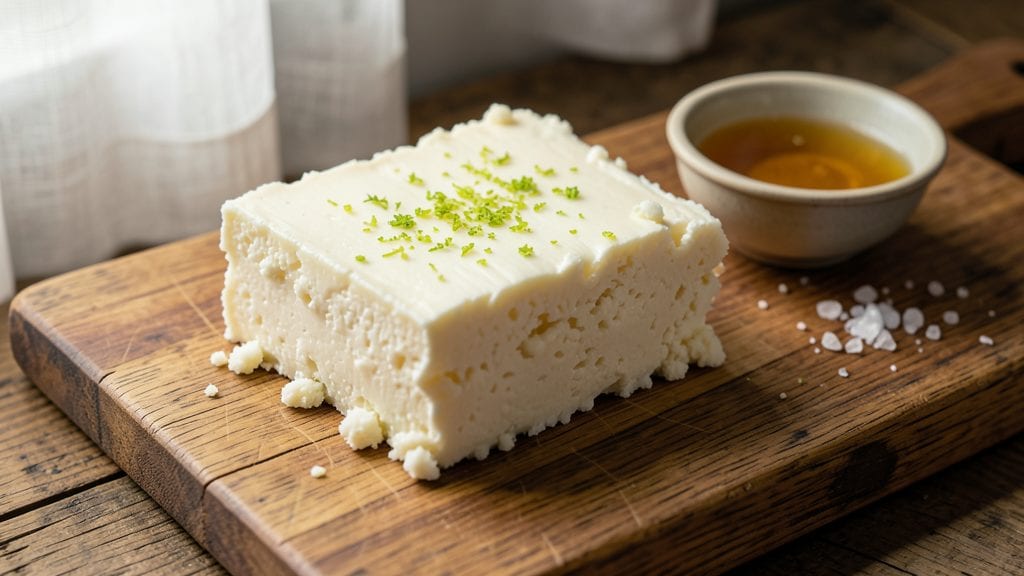
Creating farmers cheese from scratch transforms simple milk into a versatile, creamy delight with that signature tangy brightness. Standing on a step stool in my grandmother's Sicilian kitchen, I learned how fresh curds and yogurt create this magic—now I'm sharing the foolproof method that yields restaurant-quality results at home.
The key lies in precise temperature control and a touch of lemon zest for that authentic flavor.
This recipe delivers fresh, crumbly farmers cheese in just 30 minutes using only four ingredients—milk, lemon juice, yogurt, and salt. The process is simple: heat the milk gently, add lemon juice to curdle, strain through cheesecloth, then mix with yogurt for that signature tang.
What you'll end up with is a cheese that's perfect for spreads, salads, or baked dishes—its mild flavor and creamy texture make it incredibly versatile.
What makes this recipe special is how it balances tradition with convenience. Unlike aged cheeses, farmers cheese develops its flavor immediately, making it ideal for weeknight meals. The yogurt twist adds depth without overpowering, creating a cheese that's tangy yet smooth.
Once you try homemade, store-bought versions will never compare—this is the kind of cheese that elevates every dish it touches.
Use it as a spread for toast, fold into salads, or bake into savory tarts. The possibilities are endless, and the process is satisfyingly hands-on.
Let's get started on making your own batch of this creamy, tangy delight—it's simpler than you think and far more rewarding than anything you'll find in a store.
Ingredients for farmers cheese
Four simple ingredients transform milk into creamy, tangy farmers cheese in just 30 minutes.
| Ingredient | Amount | Notes |
|---|---|---|
| Whole Milk 🥛 | 4 cups | Full-fat for creaminess (2%) works too |
| Plain Yogurt 🍶 | ½ cup | Unflavored, thick Greek yogurt preferred |
| Fresh Lemon Juice 🍋 | ¼ cup | Freshly squeezed, not bottled |
| Kosher Salt 🧂 | 1 ½ tsp | Fine grain preferred for even dissolving |
| Cheesecloth 🧻 | 1 piece | Or clean kitchen towel in a pinch |
| Lemon Zest 🍋 | 1 tsp | Fine zest for authentic brightness |
| Heavy Cream 🥛 | ¼ cup | Optional, for extra creaminess |
The milk is the star here—whole milk gives the richest texture, but 2% works fine if that's what you have. I always grab the organic or grass-fed option from Whole Foods or Trader Joe's—the flavor difference is noticeable. For the yogurt, Greek yogurt with live cultures makes the biggest difference in tang. If you're using regular yogurt, make sure it's thick and unflavored. The cheesecloth is key—muslin or butter muslin from kitchen stores is ideal, but a clean kitchen towel works in a pinch. Just double it up for better straining.
No cheesecloth? A clean dish towel or paper towels will work, though it won't strain as well. Want more tang? Add an extra 1/2 teaspoon of lemon juice. No lemon zest? Substitute 1/4 teaspoon of lemon extract, but it won't be as bright. The heavy cream is optional but makes the final product extra velvety. If you skip it, just add a splash of milk to reach your desired consistency. For a nutritional boost, add a pinch of turmeric or black pepper—it's a Sicilian trick for depth without overpowering.
Fresh farmers cheese keeps in the fridge for 5-7 days in an airtight container. For longer storage, portion into small jars or containers and freeze for up to 3 months. The texture changes slightly after freezing—it gets a bit grainier—but it's still delicious. I usually make a double batch because it disappears fast—perfect for toast toppings, salads, or baked dishes. The yogurt twist means it's ready to eat immediately, unlike aged cheeses that need time to develop.
Why You'll Love This Recipe
- Pantry Magic: I swear by this recipe because it turns ingredients I already have—whole milk, yogurt, lemon juice—into something creamy and bright without a trip to the store. No special equipment beyond a pot and cheesecloth, and honestly? That’s half the battle won.
- Tangy Twist: That splash of fresh lemon juice? It’s what makes this cheese sing—bright, slightly sharp, and so fresh it feels like summer in every bite. The yogurt keeps it smooth, but the acidity cuts through like a zesty wake-up call.
- Weeknight Hero: Spread it on toast with honey, fold it into salads, or slather it on warm sourdough—this cheese does double duty without a fuss. I make a big batch on Sundays and it lasts all week, saving me from last-minute grocery runs.
- Budget Bright Spot: For the price of milk and a lemon, I get a cheese that’s richer than store-bought but costs a fraction. The cheesecloth step might feel fussy, but it’s worth it for that ultra-fresh texture—no preservatives, just pure, simple goodness.
Step-by-step instructions for fresh homemade farmers cheese
This tangy, creamy cheese comes together in just a few simple steps—no special equipment needed.
Heat and Acidify the Milk
In a heavy-bottomed saucepan, combine the 4 cups whole milk and 0.5 cup plain yogurt. Warm the mixture over medium-low heat, stirring constantly, until it reaches 185°F. You'll notice tiny curds forming as the milk thickens—this is your signal to stop heating immediately. The yogurt acts as a natural acidifier, helping break down the milk proteins.
Real talk: Don't let the temperature exceed 185°F or the curds will become rubbery. I like to use a candy thermometer for precision, but if you don't have one, watch for small bubbles forming around the edges of the pan—this indicates the right temperature. Once heated, remove from heat and let it sit for 5 minutes to allow the acidification process to complete fully.
Strain the Curds Using Cheesecloth
Line a colander with the cheesecloth and place it over another bowl to catch the whey. Gently ladle the warm milk mixture into the cheesecloth, letting it drain completely. As the whey drains, the curds will compact into a thick, creamy mass. Here's the thing—don't rush this step. Let it drain for 10-15 minutes at room temperature to achieve the perfect texture.
I press down gently on the curds with a clean spoon to help extract all the liquid. The cheesecloth should end up with about 2 cups of golden whey in the bowl below, and you'll have a thick, spoonable curd mass in the cloth. This is the foundation of your farmers cheese—rich, tangy, and ready for seasoning.
Season and Finish the Cheese
Transfer the drained curds to a mixing bowl and stir in the 1.5 teaspoons kosher salt, 0.25 cup fresh lemon juice, and 1 teaspoon lemon zest. Mix thoroughly until the salt and lemon juice are completely incorporated. The lemon juice adds brightness while balancing the richness of the milk, and the zest gives that signature citrusy aroma.
For extra creaminess, fold in the 0.25 cup heavy cream at this stage. I find this step makes a noticeable difference in the final texture—your cheese will be silky smooth rather than slightly grainy. Taste and adjust seasoning if needed, adding more salt or lemon juice as preferred. The cheese should be tangy, slightly salty, and perfectly balanced.
Chill and Serve
Cover the bowl with plastic wrap pressed directly onto the surface to prevent a skin from forming. Refrigerate for at least 4 hours, preferably overnight, to let all the flavors meld together. The longer it chills, the more pronounced the tangy flavor becomes—this is where patience pays off.
When ready to serve, give the cheese a good stir to redistribute any separated cream. This farmers cheese keeps well in the refrigerator for up to 1 week, making it perfect for snacking, spreading on toast, or pairing with fresh fruit. The texture should be thick and spreadable, with a smooth consistency that's neither too soft nor too firm—just right for that classic farmers cheese experience.
Pro Tips For Making Farmers Cheese
- Strain Longer Than You Think: I learned this the hard way—rushing the straining means watery cheese. Give it at least 6 hours, ideally overnight, or you’ll end up with something closer to ricotta than farmers cheese. Trust me, the wait makes all the difference in texture.
- Use Thick Yogurt Only: Skip the thin, runny stuff—this recipe needs Greek-style or full-fat plain yogurt with real body. Thin yogurt dilutes the curds and weakens the final product. If you’re short on time, strain store-bought yogurt in a coffee filter for 20 minutes first.
- Acidify Gradually: Dumping all the lemon juice at once can turn your cheese sour. Add it slowly, tasting as you go, and stop when the milk just starts to thicken—no need to overdo it. You’re aiming for curdled, not vinegary.
- Salt in Two Stages: Add half the salt while the mixture is still warm, then sprinkle the rest later. This prevents clumping and lets you taste-test the balance. (Yes, even if you’re impatient like me, resist the urge to skip this.)
Flavor customization for this recipe
Tangy Lemon Twist
Boost the brightness by adding 1 extra teaspoon of lemon zest and 1 tablespoon of lemon juice to the strained curds. I learned this trick from my Nonna in Sicily—she always said, "Citrus is the soul of fresh cheese."
For an even more intense flavor, infuse the milk with 1 strip of lemon peel while heating, then remove it before straining. This method gives a subtle, aromatic depth that pairs beautifully with honey or fresh berries. 🍋
Herb-Infused Variations
Mix in 1 tablespoon of finely chopped fresh dill or dried tarragon for a herby twist that works wonderfully with roasted vegetables or grilled fish. For a Mediterranean flair, blend 1 teaspoon of dried oregano with the salt before adding to the curds.
I’ve also had success with a pinch of crushed black pepper—it adds a subtle kick that cuts through the richness. These herbs keep well in the fridge for up to a week.
Sweet and Spicy
Transform your farmers cheese into a sweet-and-spicy spread by folding in 1 tablespoon of honey or maple syrup along with a pinch of cayenne pepper. This variation is perfect for toast, crackers, or even as a glaze for grilled chicken.
For a smoky touch, add ½ teaspoon of smoked paprika—it’s a game-changer for pairing with charred meats or roasted squash. The sweetness balances the tang, creating a complex flavor profile.
Garlic and Roasted Red Pepper
Blend 2 cloves of roasted garlic and 2 tablespoons of roasted red pepper paste into the finished cheese for a bold, savory twist. This version is ideal for stuffing into grilled portobello mushrooms or spreading on crusty bread.
I like to roast the garlic and peppers myself—it adds a depth that store-bought versions can’t match. For extra richness, stir in 1 tablespoon of olive oil at the end. This cheese shines as a dip for warm pita or as a topping for bruschetta.
Nutty Crunch Add-Ins
Fold in ¼ cup of toasted pine nuts, walnuts, or pecans for texture and a nutty contrast. Toast the nuts in a dry pan until golden, then chop them finely before mixing into the cheese.
This variation is perfect for salads, grain bowls, or as a filling for stuffed tomatoes. For a more decadent option, add 1 tablespoon of chopped candied pecans—the sweetness pairs beautifully with the tangy cheese. Store nutty versions in an airtight container to keep them fresh.
Spiced with Turmeric
Add ½ teaspoon of turmeric powder to the drained curds for a golden hue and earthy warmth. This spice not only enhances the color but also adds a subtle anti-inflammatory boost. I’ve found it works especially well with roasted root vegetables or as a spread for bagels.
For a richer flavor, mix in 1 teaspoon of ground cumin—it adds a Middle Eastern-inspired depth that’s irresistible. This spiced version keeps its vibrant color even after refrigeration.
Nutrition facts
Frequently asked questions
Can I use low-fat or skim milk for this farmers cheese?
While it's possible, I recommend using whole milk or 2% for the creamiest texture. The fat content helps create that signature smooth consistency. If you must use low-fat, add an extra 1 tablespoon of heavy cream at the end to compensate. The flavor will be slightly less rich but still delicious!
What if my cheese turns out too runny?
If your cheese is too soft, it likely didn't drain enough whey. For next time, let the curds drain for 15-20 minutes instead of 10. You can also add 1 tablespoon of cornstarch mixed with cold water to thicken it immediately. Stir in gently and chill again for 1 hour to set.
How can I use this cheese beyond spreading on bread?
This versatile cheese works beautifully in stuffed vegetables, savory tarts, or as a base for creamy dips. Try mixing it with herbs and roasted garlic for a pasta sauce or folding into cold soups like potato leek. For something sweet, blend with honey and fresh berries for a unique dessert spread!
Why does my homemade version taste different from store-bought?
Store-bought farmers cheese often contains stabilizers and artificial flavors. Your homemade version will have a fresher, brighter taste with natural tanginess from the yogurt and lemon. The texture may also be slightly grainier—this is normal! The flavor difference comes from using real ingredients and no preservatives.
Can I make this cheese without yogurt?
Yes! Substitute the yogurt with 1 tablespoon of white vinegar or lemon juice per cup of milk. Heat the milk to 185°F with the acid, then let it sit for 10 minutes before straining. The texture will be slightly firmer but still delicious. For extra tang, add an additional 1/2 teaspoon of citric acid to the drained curds.