
Breakfast & Brunch
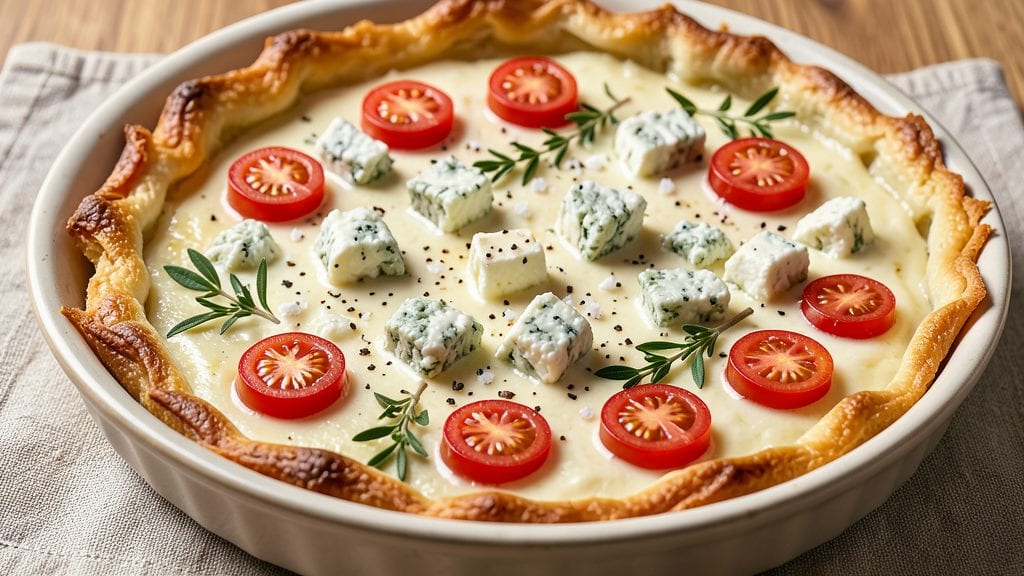
This feta cheese quiche recipe delivers the perfect balance of crispy golden crust and tangy creamy filling—a breakfast classic that’s as elegant as it is satisfying.
After testing countless variations, I’ve perfected a method that ensures the crust stays flaky while the feta-infused custard sets to a rich, velvety texture without ever becoming rubbery. The secret lies in a precise egg-to-cream ratio and a pinch of baking powder for lift.
What sets this recipe apart is its versatility—whether you’re serving it as a brunch centerpiece or a light lunch, the bold feta flavor shines through while remaining approachable for everyday meals.
The crust is made with simple pantry staples, and the filling comes together in just 15 minutes of prep before baking. No special equipment is needed, just a standard pie dish and a little patience for the custard to set perfectly.
By the time it emerges from the oven, you’ll have a quiche with a shatteringly crisp crust and a filling so creamy it practically melts in your mouth.
The feta adds a briny tang that cuts through the richness, while optional add-ins like spinach or roasted red peppers deepen the flavor profile. It’s the kind of dish that feels indulgent yet stays balanced enough for a weekday breakfast.
Serve it with a simple arugula salad and crusty bread for a complete meal, or enjoy it solo with a cup of strong coffee. The leftovers reheat beautifully, making it ideal for meal prep. Here’s how to make it—foolproof and restaurant-worthy at home.
Ingredients for feta cheese quiche
Pantry essentials meet Mediterranean flavors in this golden, tangy quiche masterpiece.
| Ingredient | Amount | Notes |
|---|---|---|
| All-Purpose Flour 🌾 | 1 ½ cups | Sifted for light crust texture |
| Cold Unsalted Butter 🧈 | 1 cup | Cut into small cubes |
| Ice Water 💧 | ½ cup | Chilled for crispier crust |
| Diamond Crystal Kosher Salt 🧂 | ½ tsp | For crust and filling |
| Large Eggs 🥚 | 4 whole | Room temperature preferred |
| Heavy Whipping Cream 🥛 | 1 cup | Full-fat for richness |
| Crumbled Feta Cheese 🧀 | 1 cup | High-quality, brined feta |
| Medium Shallots 🧅 | 2 whole | Finely minced for sweetness |
| Fresh Chives 🌿 | ¼ cup | Chopped for garnish |
| Baking Powder 🍞 | ½ tsp | For crust lift |
| Black Pepper 🌶️ | ¼ tsp | Freshly cracked |
| Extra-Virgin Olive Oil 🫒 | 1 tbsp | For brushing crust |
The crust starts with cold butter—never warm. Kirkland Signature or Plugrá brands work best for their high fat content. Shallots should be fresh and firm, not shriveled. For feta, Kalata or Greek Island varieties have the best briny punch—skip the pre-crumbled kind, which gets gummy. The flour? King Arthur or Gold Medal all-purpose, sifted for that perfect flakiness. If your kitchen’s humid, chill the dough between rolls to prevent sticking.
No heavy cream? Full-fat Greek yogurt thinned with milk works in a pinch. Shallots too pungent? Substitute 2 tbsp minced red onion, but cook it down first to mellow the flavor. Feta too salty? Rinse briefly in cold water and pat dry before crumbling. The chives can be swapped for parsley or dill if you’re feeling adventurous. For extra richness, add 1 oz cream cheese to the filling—trust me, it blends seamlessly. And if you’re short on time, pre-made pie crust (like Pepperidge Farm) saves 20 minutes of work.
Assemble the quiche 1 hour before baking—this lets flavors meld beautifully. The crust keeps 2 days wrapped at room temp or 3 months frozen. Filling reheats best at 350°F for 15 minutes—cover with foil if it browns too fast. Portion into individual ramekins for grab-and-go breakfasts. Leftovers? Freeze slices between parchment for crispy reheats later.
Why You'll Love This Recipe
- No-Fuss Crust: I swear by this cold butter method—just mix, press, chill. No rolling pins, no stress, and that flaky edge? Chef’s kiss. The ice water keeps it tender, so it doesn’t turn into a brick.
- Salty, Creamy Magic: That feta—briny, crumbly, perfect—melts into the eggs like a dream. The salt cuts through the richness, and the eggs? Rich, custardy, and just set enough to hold up to morning toast or a quick lunch.
- Lunchbox Hero: Between us, this is my go-to for meal prep. Slice it up, wrap it in foil, and boom—no soggy sandwiches. My kids (and my lunchbox) never complain. Even the picky eaters ask for seconds.
- Budget Breakfast: Eggs, butter, flour—basic pantry staples. No fancy add-ins needed. I’ve made this for $3 a serving, and it still feels like a treat. Plus, leftovers reheat like a dream (or eat cold, no judgment).
Step-by-step instructions for feta cheese quiche
Here's how to create a golden, flaky crust with a rich, tangy feta filling that melts in your mouth.
Prepare the Crust for Maximum Crispiness
In a food processor, pulse the 1.5 cups all-purpose flour and 0.5 teaspoon diamond crystal kosher salt until combined. Add the 1 cup cold unsalted butter, cut into small cubes, and pulse until the mixture resembles coarse crumbs with pea-sized butter pieces remaining. This texture is crucial—it ensures a flaky, crispy crust rather than a tough one.
Gradually add the 0.5 cup ice water, one tablespoon at a time, pulsing after each addition until the dough just comes together. Avoid overmixing; the dough should hold when pressed but still feel slightly shaggy. Turn the dough onto a lightly floured surface and shape it into a disk. Wrap tightly in plastic wrap and refrigerate for 30 minutes to firm up. This resting period relaxes the gluten, making it easier to roll out later.
Roll and Blind-Bake the Crust
On a floured surface, roll the chilled dough into a 12-inch circle, about ⅛-inch thick. Gently transfer it to a 12-inch pie dish, trimming any uneven edges. Press the dough firmly against the bottom and sides of the dish to create a seamless seal. Prick the bottom of the crust all over with a fork to prevent air pockets from forming during baking.
Preheat your oven to 375°F. Line the crust with parchment paper and fill it with pie weights or dried beans. Bake for 15 minutes, then remove the weights and bake for another 10 minutes until the edges are golden brown and the crust is set. The blind-baking step ensures a perfectly crisp base that won't turn soggy when the filling is added. Remove the crust from the oven and let it cool slightly while you prepare the filling.
Sauté Shallots for Sweet Depth
While the crust cools, heat the 1 tablespoon extra-virgin olive oil in a skillet over medium heat. Add the 2 whole medium shallots, minced finely, and cook for 3-4 minutes until they soften and turn translucent. Be careful not to let them brown—they should remain pale and sweet, not bitter. Remove the shallots from the skillet and set them aside to cool slightly.
This step is where the magic happens. The shallots add a subtle sweetness that balances the tangy feta, creating a harmonious flavor profile. If you skip this step, your quiche will lack that delicate sweetness that makes it truly special.
Whisk the Creamy Filling
In a large bowl, whisk together the 4 whole large eggs, 1 cup heavy whipping cream, 0.5 teaspoon baking powder, and 0.25 teaspoon black pepper until just combined. The mixture should be smooth with no streaks of egg white remaining. This ensures a silky, creamy texture in the finished quiche. Gently fold in the 1 cup crumbled feta cheese and the cooled shallots, being careful not to overmix. The feta should be evenly distributed throughout the mixture.
This is the moment that matters: the balance of creaminess and tang. The baking powder helps create a lighter texture, while the pepper adds a subtle kick that cuts through the richness of the feta and cream. If you're using room-temperature eggs, the filling will blend more smoothly, but cold eggs will still work—just whisk a bit longer.
Assemble and Bake to Golden Perfection
Pour the egg mixture into the pre-baked crust, spreading it evenly to the edges. Sprinkle the 0.25 cup fresh chives, chopped, over the top for a pop of color and freshness. Transfer the quiche to the oven and bake at 350°F for 40-45 minutes, until the filling is set and the top is light golden brown. The center should still be slightly jiggly—it will continue to firm up as it cools.
I know it seems weird, but trust me: the quiche is done when it's just set in the center. If it's too runny, it will continue cooking as it cools. Let it rest for 10-15 minutes before slicing—this allows the filling to fully set and makes it easier to serve. The result should be a crispy, flaky crust with a creamy, tangy feta filling that melts in your mouth.
Pro Tips For Making Feta Cheese Quiche
- Chill the Butter First: I learned this the hard way—cutting cold unsalted butter straight from the fridge into flour makes a flakier crust. If the butter melts too soon, you’ll end up with a dense, greasy mess instead of the light, layered texture you want. Take it out 20 minutes before mixing, but don’t let it sit too long or it’ll soften unevenly.
- Pre-Cook the Feta: Feta releases way too much moisture when raw, turning your quiche filling into a soggy bottom. Pat it dry with paper towels, then lightly toast the cubes in a dry pan over medium heat for 2-3 minutes until they’re just golden. This concentrates the flavor and keeps the custard firm.
- Blind-Bake the Crust: Skip the pre-baking step, and your crust will turn into a soggy boat. Weigh down the unbaked crust with pie weights or dried beans, then bake it at 375°F (190°C) for 12-15 minutes before adding the filling. This ensures a crisp base—no one wants a chewy crust fighting with the custard.
- Use Room-Temp Eggs: Cold eggs create pockets of uneven cooking in the custard, leaving some parts rubbery. Let your eggs sit in warm water for 5 minutes before whisking, or whisk them briefly to raise their temperature. The custard will set smoothly, and the texture will be silky—not grainy or undercooked.
Regional styles of this dish
Greek-Inspired Feta Quiche
In Greece, quiche isn’t a breakfast staple—it’s a brunch centerpiece often served with fresh herbs and olive oil drizzles. For a Mediterranean twist, add 1 cup roasted cherry tomatoes (halved) and ¼ cup chopped kalamata olives to the filling.
Use extra-virgin olive oil instead of butter in the crust for a lighter texture, and finish with a sprinkle of dried oregano before baking. Serve with a side of tzatziki sauce for dipping. 🌿
French Bistro Classic
The French version of this quiche leans into elegance with a puff pastry crust (like Pepperidge Farm) and a touch of Gruyère cheese mixed into the feta. Whisk in 1 tbsp Dijon mustard with the eggs for depth, and garnish with thinly sliced shallots caramelized in butter.
A dusting of fresh thyme before baking adds a refined herbal note. Pair with a crisp Sancerre white wine for a true bistro experience.
Middle Eastern Spiced
For a bold twist, fold 1 tsp ground cumin and ½ tsp smoked paprika into the egg mixture, then top with ¼ cup toasted pine nuts before baking. Use feta from Lebanon for extra saltiness, and finish with a drizzle of harissa paste for heat.
Serve with a cooling minty labneh dip and warm pita bread. This version feels like a celebratory brunch. 🌶️
Southern U.S. Twist
Southern cooks often sweeten their quiches with a touch of maple syrup or pecans. Here, fold ¼ cup chopped pecans into the crust before baking, then top the filling with 2 tbsp maple syrup and ¼ cup candied bacon bits.
A sprinkle of powdered sugar on top adds a subtle sweetness that balances the feta’s tang. Serve with blackberry jam for dipping—trust me, it’s a crowd-pleaser.
Vegetarian Power Bowl
Turn this into a hearty vegetarian meal by adding 2 cups sautéed spinach and ½ cup roasted red peppers to the filling. Swap half the feta for goat cheese for extra creaminess, and fold in 1 tbsp lemon zest for brightness.
Bake in a 9-inch cast-iron skillet for a rustic look, then garnish with toasted walnuts and arugula. Serve with a lemon-herb vinaigrette for dipping slices. 💛
Nutrition facts
Frequently asked questions
Can I make this quiche without a pie crust?
For a crustless version, simply bake the egg mixture in a 9-inch ovenproof skillet or ceramic dish at 350°F for 30-35 minutes. Brush the top with olive oil and sprinkle with chives before baking. The texture will be more like a frittata but still creamy and satisfying. This method saves time and works well for meal prep.
Why did my quiche come out rubbery?
Rubbery quiche usually happens when the egg mixture is overcooked or the oven temperature isn't hot enough. Always bake at 350°F and check for doneness when the center is just set (not jiggly). If your oven runs hot, reduce the temp to 325°F. Also, make sure your eggs are room temperature—they blend better and create a smoother texture.
How can I add vegetables to this recipe?
Sautéed spinach, roasted red peppers, or caramelized onions work beautifully! Just cook your veggies until tender (about 5-8 minutes) and drain excess moisture before folding into the egg mixture. For heartier additions like mushrooms, cook them thoroughly first to avoid a soggy quiche. Start with 1 cup of veggies and adjust based on their water content.
Can I make this quiche ahead of time?
Yes! Assemble the quiche (without baking) and refrigerate for up to 24 hours before baking. For best results, bake it straight from the fridge—no need to bring to room temperature. Leftovers keep well in the fridge for 3 days or freeze for 2 months. Reheat slices at 350°F for 10-15 minutes covered with foil to prevent drying.
What's the best way to reheat individual slices?
Wrap slices in foil and warm at 350°F for 8-10 minutes—this keeps the crust crispy while gently reheating the filling. For extra crispiness, broil for 1-2 minutes at the end. Microwaving works in a pinch (30 seconds), but the crust gets soggy. Always reheat covered to maintain moisture in the cheese filling.