
Main Courses
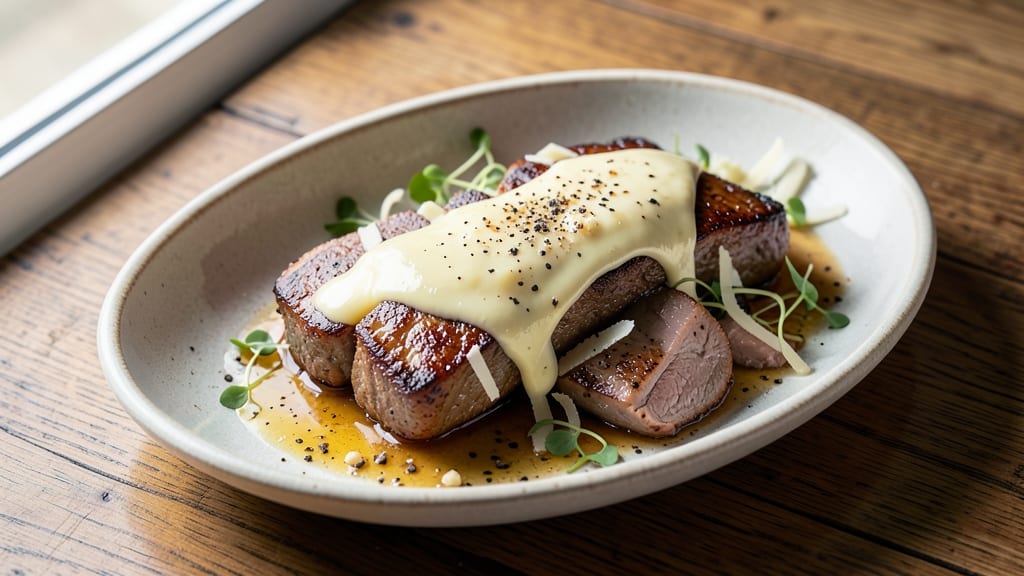
This liver and cheese recipe delivers crispy edges and rich umami bites that transform a simple ingredient into something extraordinary. After years of testing combinations, I perfected a method that sears liver to golden perfection while melting cheese into a velvety, flavorful sauce—no complicated techniques required.
The secret lies in timing and temperature, ensuring tender meat with a caramelized crust.
What makes this dish truly special is its balance of textures and flavors. The liver develops a satisfying crunch while staying juicy inside, and the cheese creates a luxurious, slightly tangy sauce that coats every bite.
It’s the kind of recipe that feels professional yet comes together in under 30 minutes—ideal for weeknight dinners when you want something impressive without the fuss.
By the time you’re done, you’ll have a plate of crispy liver and melted cheese that’s bold, savory, and packed with depth. The aroma alone will draw everyone to the table, and the first bite delivers on that promise of restaurant-quality umami.
Serve it with a simple arugula salad or crusty bread to soak up every last drop of that rich sauce.
This recipe works equally well with beef or chicken liver, and the method is forgiving enough for beginners. The key is patience—letting the liver sear undisturbed for those crispy edges while the cheese melts into a smooth, cohesive sauce.
Trust me, once you try it, you’ll never go back to store-bought versions.
Ingredients for liver cheese
Fourteen ingredients to transform liver into crispy, umami-packed bites with velvety melted cheese sauce.
| Ingredient | Amount | Notes |
|---|---|---|
| Beef Liver 🥩 | 1 lb | Freshly sourced, sliced thin |
| Chicken Liver 🍗 | 1 lb | Alternative to beef liver |
| Gruyère Cheese 🧀 | 1 cup | Freshly grated, nutty flavor |
| Sharp White Cheddar 🧀 | ½ cup | Shredded, tangy kick |
| Unsalted Butter 🧈 | 4 tbsp | Cold, cubed for searing |
| Garlic Cloves 🧄 | 4 cloves | Minced, for depth of flavor |
| Shallots 🧅 | 2 whole | Finely chopped, aromatic base |
| Dry White Wine 🍷 | ½ cup | Sauvignon Blanc preferred |
| Heavy Cream 🥛 | ¼ cup | Full-fat for richness |
| Diamond Crystal Kosher Salt 🧂 | 1 tsp | Fine grain for seasoning |
| Freshly Ground Black Pepper 🌶️ | ½ tsp | Cracked peppercorns preferred |
| Extra-Virgin Olive Oil 🫒 | 1 tbsp | For finishing drizzle |
| Fresh Thyme Leaves 🌿 | ¼ cup | Chopped, aromatic touch |
| Fresh Parsley 🌿 | 0.2 cup | Chopped, for garnish |
The liver is the star—beef or chicken both work, but beef has a richer umami punch. Grab the freshest you can find, ideally from a butcher shop or the meat counter at Whole Foods, where they'll slice it paper-thin for you. If you're using frozen liver, thaw it overnight in the fridge—never under running water, or it'll turn to mush. The cheese? Gruyère and sharp white cheddar are non-negotiable for that perfect balance of nutty and tangy. Pre-shredded cheeses have anti-caking agents, so grate your own from a block. For the wine, Sauvignon Blanc adds brightness, but any dry white will do in a pinch.
No white wine? Chicken stock with a splash of lemon juice mimics the acidity. Short on Gruyère? Parmesan or Comté work, but the texture won’t be as creamy. The butter must be cold and cubed—European-style butter from Trader Joe’s has higher fat content and sears better. Fresh herbs are ideal, but if you’re using dried, cut the amount to one-third. The shallots? Substitute with red onion if that’s what’s in your pantry, but they add a sweeter depth. And trust me, don’t skip the wine—it deglazes the pan beautifully and adds complexity.
Leftover liver reheats best in a skillet with a splash of water—keeps it moist. Store it in an airtight container in the fridge for up to 2 days, though it’s best eaten fresh. The cheese sauce freezes well for 3 months, but it’ll separate slightly—just stir vigorously to recombine before reheating. For make-ahead prep, slice the liver and cheese the night before, then sear and sauce when ready to serve. The crispy edges are fleeting, so serve immediately for that perfect texture contrast—juicy inside, crunchy outside.
Why You'll Love This Recipe
- No-Fuss Assembly: I swear by this recipe because it’s the kind of thing you can make while half-watching TV. Slice the livers thin, toss them in a bowl with the shredded Gruyère and cheddar, and you’re done—no fancy plating, no stress. Honestly, the hardest part is waiting for the butter to melt.
- Rich Umami Bomb: That combo of beef and chicken liver with Gruyère? It’s like a flavor explosion in your mouth. The sharp cheddar cuts through the richness, and the melted butter ties it all together—creamy, salty, and just a little funky in the best way.
- Leftovers That Don’t Suck: This stuff actually tastes better the next day. I make a big batch on Sunday, pop it in the fridge, and reheat it straight from the pan for quick lunches. No sad, rubbery leftovers here—just crispy, cheesy goodness every time.
- Budget Powerhouse: Livers are cheap, and this recipe stretches them far. A single pound of beef and chicken liver feeds four, and the cheese adds that restaurant-quality touch without breaking the bank. Between us, this is my go-to when I need to feed a crowd without emptying my wallet.
Step-by-step instructions for liver and cheese bites
Here's how to transform tender liver into rich, umami-packed bites with perfectly crispy edges.
Prepare the Liver for Perfect Texture
Start by slicing the beef liver and chicken liver into ¼-inch thick medallions. I find using a sharp chef's knife with a rocking motion gives you clean, even slices. Pat each slice completely dry with paper towels—this is crucial for achieving crispy edges later. Any moisture left on the liver will steam instead of sear.
Place the liver slices in a bowl and season generously with 1 teaspoon of diamond crystal kosher salt and ½ teaspoon of freshly ground black pepper. Let them sit at room temperature for 15 minutes while you prepare the rest of your ingredients. This resting period ensures even cooking and prevents the liver from curling up in the pan.
Build the Cheese and Herb Crust
In a separate bowl, combine 1 cup of freshly grated gruyère cheese and ½ cup of shredded sharp white cheddar. Add the ¼ cup of chopped fresh thyme leaves and mix until evenly distributed. This cheese blend will create a rich, melty crust while adding depth of flavor. Set aside while you prepare the aromatic base.
Finely chop 2 whole shallots and mince 4 cloves of garlic. Heat 1 tablespoon of extra-virgin olive oil in a small skillet over medium heat. Add the shallots and cook for 3-4 minutes until soft and translucent. Add the garlic and cook for another 30 seconds until fragrant. Remove from heat and let cool slightly—this aromatic base will infuse the liver with incredible depth.
Sear the Liver for Crispy Edges
Heat 2 tablespoons of unsalted butter in a large skillet over medium-high heat until the butter foams but doesn't brown. Working in batches to avoid crowding, add the liver slices and cook for 1 minute per side—you're looking for golden brown edges that indicate perfect searing. The liver should be just cooked through but still tender in the center.
Here's the thing—don't press down on the liver with your spatula. I've learned the hard way that this squeezes out juices and makes the meat tough. Instead, let it cook undisturbed until you see those beautiful crispy edges form. Transfer the seared liver to a plate and tent loosely with foil to keep warm.
Create the Rich Wine Cream Sauce
In the same skillet (no need to clean it—the browned bits add flavor), reduce heat to medium and add ½ cup of dry white wine. Let it simmer for 2-3 minutes until reduced by half, scraping up any browned bits from the bottom with a wooden spoon. This deglazing step captures all those delicious fond flavors.
Pour in ¼ cup of heavy cream and stir until smooth. Add the cooled shallot-garlic mixture and simmer for 1-2 minutes until the sauce thickens slightly. Taste and adjust seasoning with additional salt and pepper if needed. The sauce should be rich but not overly thick—it should coat the back of a spoon but still be pourable.
Assemble and Finish with Crispy Cheese
Return the seared liver to the skillet and spoon the warm sauce over the top. Cook for an additional 1 minute to heat through. Working quickly, place 1 tablespoon of the cheese-thyme mixture on top of each liver slice. The residual heat will make the cheese melt and create that beautiful golden crust we're after.
Transfer the liver bites to a serving platter and let them rest for 2 minutes—this allows the cheese to set slightly while keeping it warm. Garnish with 2 tablespoons of chopped fresh parsley and a drizzle of the remaining 2 tablespoons of melted butter (reserved from cooking). Serve immediately while the cheese is still slightly gooey and the edges are crispy.
Pro Tips For Making Liver Cheese
- Sear Livers Fast: Get your pan screaming hot—cast iron or stainless—before adding the livers. Two minutes max per side for beef, one for chicken, or they’ll turn to leather. I learned this the hard way after a batch that looked like boot soles.
- Soak Livers First: Toss the livers in cold water for 30 minutes before cooking. Rinses off blood, balances the iron taste, and keeps the meat from curling into useless little balls. (Yes, even if you’re impatient like me.)
- Shred Cheese Coarse: Skip the food processor for Gruyère and cheddar—hand-shred it into big, uneven chunks. They melt slower, stay gooey longer, and give that restaurant-quality pull you’re after. My grandmother swore by this, and she was right.
- Butter in Layers: Don’t just dump butter on top—dot it between the liver layers while baking. The fat renders up, crisps the edges, and keeps the cheese from drying out. About 2 tablespoons total—enough to coat the bottom, not drown it.
Creative variations of this liver cheese
French-Inspired Foie Gras Twist
For a luxurious upgrade, replace the liver with foie gras—about 8 oz—and top with a mix of crème fraîche and Gruyère shavings. Sear the foie gras in a chilled pan over low heat for just 1-2 minutes per side to render fat without cooking through.
Finish with a drizzle of orange liqueur (like Cointreau) and a sprinkle of crispy fried shallots for that classic French bistro touch. 🍷
Spicy Cajun Liver Bites
Kick up the heat by adding 1 tbsp Cajun seasoning (like Tony Chachere’s) to the liver before searing. Mix ¼ cup shredded pepper jack cheese into the Gruyère-cheddar blend for a smoky, spicy twist.
Serve with a cooling avocado crema (blend ½ avocado, ¼ cup sour cream, and 1 tbsp lime juice) on the side. The contrast is pure New Orleans magic. 🌶️
Italian-Style Liver and Ricotta
Swap the Gruyère for whole-milk ricotta mixed with 1 egg and ¼ cup grated Pecorino Romano. Spread this blend on the seared liver slices, then broil for 2-3 minutes until golden.
Finish with a sprinkle of fresh basil and a drizzle of balsamic glaze** for a dish that tastes like it came straight from a Tuscan trattoria. My Nonna would approve—she’d call it fegato alla ricotta.
Cheesy Stuffed Liver Pockets
Fold each liver slice into a half-moon shape and stuff the center with a mix of ½ cup cream cheese, ¼ cup chopped sun-dried tomatoes, and 1 tbsp chopped capers. Secure with a toothpick, then sear as directed.
The cheese oozes out during cooking, creating a decadent surprise in every bite. Garnish with lemon zest for brightness—this is my go-to for fancy dinner parties. 💫
Breakfast Liver and Cheese
Turn this into a brunch star by serving the liver bites with crispy bacon and poached eggs. The rich, cheesy liver pairs perfectly with runny yolks, and the bacon adds a smoky crunch.
For extra indulgence, drizzle with hollandaise sauce—trust me, the combo is next-level. Pro tip: Use chicken liver for a milder flavor that won’t overpower the breakfast plate. 🍳
Global Cheese Swaps
Experiment with international cheeses to change the game! Try Spanish Manchego for nutty depth, Greek feta for tangy brightness, or Japanese Hokkaido cheese for a creamy, mild option.
For a Middle Eastern twist, mix in za’atar-spiced feta and top with toasted pine nuts. The possibilities are endless—let your pantry be your guide! 🗺️
Nutrition facts
Frequently asked questions
Can I use chicken liver instead of beef liver in this recipe?
Chicken liver works beautifully and has a milder flavor compared to beef. The cooking time remains the same, but chicken liver tends to be slightly more delicate, so keep a close eye on it to avoid overcooking. For the breakfast variation, chicken liver is especially recommended to balance the rich flavors of eggs and bacon.
What's the best way to store leftovers?
Store the liver bites in an airtight container in the fridge for up to 2 days. For the cheese sauce alone, it freezes well for 3 months—just thaw and reheat gently, stirring to recombine any separated layers. The crispy edges won't survive reheating, so enjoy them fresh or use leftovers in breakfast scrambles or sandwiches.
Why did my liver turn rubbery instead of crispy?
Overcooking is the most common culprit—liver cooks in just 1 minute per side! Also, pressing down with a spatula squeezes out juices, making it tough. Pat slices completely dry before cooking and use medium-high heat to create those perfect golden edges. If it's still rubbery, try reheating it gently in a skillet with a splash of water or broth.
Can I make this recipe ahead of time?
You can prep components ahead: slice the liver and grate the cheese the night before. For the stuffed liver pockets variation, assemble them uncooked and refrigerate for up to 4 hours before cooking. However, the crispy edges are best enjoyed immediately, so finish cooking just before serving for optimal texture.
What's the secret to getting that perfect golden cheese crust?
Use freshly grated cheese (pre-shredded has anti-caking agents that prevent melting) and work quickly when adding it to the hot liver. The residual heat from the pan melts the cheese into a velvety crust. For extra crispiness, broil for 30 seconds after assembling, but watch closely to avoid burning.