
Sauces & Condiments
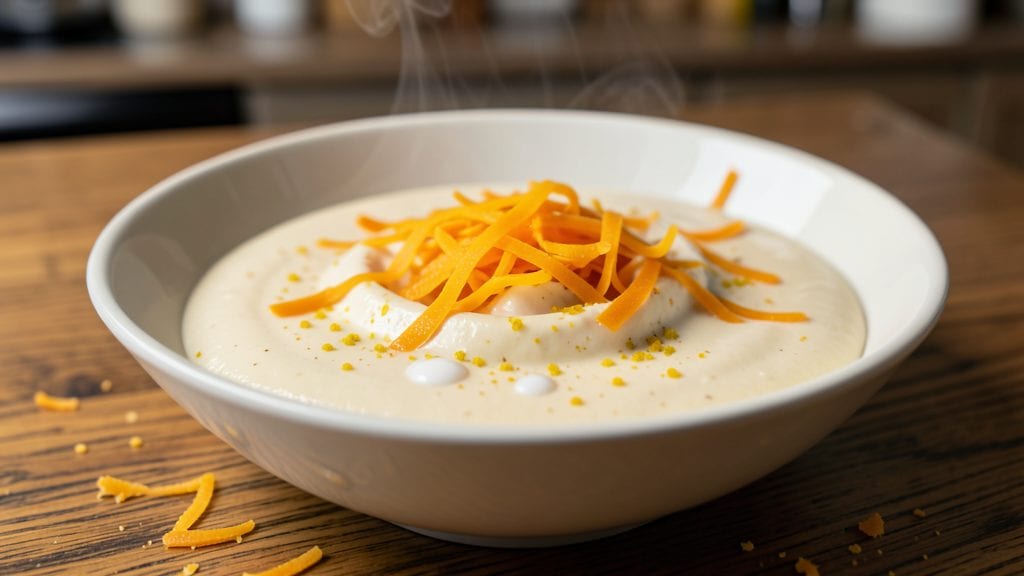
This Philadelphia cheese sauce recipe delivers that signature creamy, velvety melt you crave over mac and cheese, nachos, or even as a dipping sauce. The secret lies in precise ratios—equal parts milk and butter, melted together before adding shredded cheese—creating a sauce that’s rich without being heavy.
I’ve perfected this method over years of testing, ensuring it never clumps or separates, even when reheated.
The foundation of great cheese sauce is patience and temperature control. You’ll start with a smooth roux of butter and milk, then gradually whisk in the cheese until fully melted and silky.
Seasoning with a pinch of mustard and garlic powder elevates it from basic to restaurant-quality, adding depth that makes every bite more satisfying. This isn’t just a sauce—it’s a flavor transformer that turns ordinary dishes into something extraordinary.
What you’ll end up with is a velvety, golden sauce that coats every noodle, chip, or bite of grilled chicken perfectly. The texture is impossibly smooth, with just enough tang to balance the richness, and it reheats beautifully without losing its creamy consistency.
Whether you’re covering a casserole, drizzling over burgers, or serving as a dip, this sauce delivers professional results every time.
For extra versatility, try adding a splash of heavy cream for even richer texture or a dash of hot sauce for a spicy kick. The possibilities are endless, but the base recipe remains foolproof—simple ingredients, precise technique, and guaranteed success.
Let’s get started on making this sauce that’ll become your kitchen staple.
Ingredients for philadelphia cheese sauce
Eight simple ingredients transform into the creamiest Philadelphia cheese sauce ever.
| Ingredient | Amount | Notes |
|---|---|---|
| Unsalted Butter 🧈 | ½ cup | Full-fat for creaminess |
| Whole Milk 🥛 | ½ cup | Room temperature preferred |
| Philadelphia Cream Cheese 🧀 | 8 oz | Softened to room temperature |
| Shredded Sharp Cheddar Cheese 🧀 | 1 ½ cups | Freshly shredded preferred |
| Dry Yellow Mustard 🌶️ | 1 tsp | For tangy depth |
| Garlic Powder 🧄 | ½ tsp | Freshly ground preferred |
| Ground Black Pepper 🌶️ | ¼ tsp | Freshly ground for best flavor |
| Kosher Salt 🧂 | ¼ tsp | Adjust to taste |
| Heavy Cream 🥛 | ¼ cup | Optional for extra richness |
| Hot Sauce 🔥 | 1 tsp | Optional for spicy kick |
The butter and milk form the sauce's backbone—use unsalted butter so you control the saltiness. I grab Land O'Lakes unsalted from the store, but any brand works. For the milk, whole milk gives the best texture, but 2% works in a pinch. The cream cheese? Philadelphia brand is non-negotiable here—it melts perfectly without clumping. Grab a 8 oz block, not the tub kind. Pro tip: take the cream cheese out 30 minutes before starting so it softens evenly. The cheddar? Sharp cheddar adds that tangy kick—pre-shredded gets clumpy, so grab a block and shred it yourself.
No cream cheese? Substitute with extra cheddar and a splash of sour cream—it won’t be identical, but close. Short on sharp cheddar? Monterey Jack or Colby work in a bind, but the flavor won’t be as complex. Want to skip the mustard? Add a pinch of white pepper instead—it’s subtle but adds depth. The garlic powder is where flavor happens, so don’t skip it. Penzeys or the bulk bins at Whole Foods have the best quality. For the optional heavy cream, Hormel or Land O'Lakes are my go-tos—just don’t overdo it or the sauce gets too heavy.
This sauce reheats like a dream—just warm it gently on the stove with a splash of milk if it thickens. Keeps 5 days in the fridge, sealed tight. For longer storage, freeze in ice cube trays—perfect for single servings later. The sauce thickens as it cools, so add a splash of milk when reheating. I always make a double batch—one for immediate use, one to freeze. Trust me, you’ll thank yourself later when you’ve got a quick weeknight dinner covered.
Why You'll Love This Recipe
- I swear by this combo: melt butter, stir in cream cheese, add milk until silky, then fold in cheddar and a pinch of mustard. That’s it. No fancy techniques—just heat, patience, and a whisk.
- Five-Ingredient Magic: I swear by this combo: melt butter, stir in cream cheese, add milk until silky, then fold in cheddar and a pinch of mustard. That’s it. No fancy techniques—just heat, patience, and a whisk.
- Creamy Sharp Bite: The mustard cuts through the richness while the sharp chedddar adds that there’s something in it factor. Honestly, the first time I tasted it, I grabbed the whole pot.
- Dip, Pour, Repeat: Mac and cheese? Check. Baked potato topper? Done. Slathered on burgers or broccoli? Yes, please. It’s my go-to for lazy nights or when I’m feeding a crowd.
Step-by-step instructions for Philadelphia cheese sauce
Here's how to make a perfectly smooth, velvety sauce every time—no lumps, no guesswork.
Melt Butter and Warm Milk
In a medium saucepan, melt the 0.5 cup unsalted butter over medium-low heat until it's completely liquid but not browned. You'll know it's ready when it stops bubbling vigorously and looks smooth. Add the 0.5 cup whole milk and stir gently to combine. Let this mixture warm through for 2-3 minutes—you should see tiny bubbles forming at the edges but no vigorous boiling.
Warming the milk this way prevents temperature shock when you add the cream cheese later. If you add cold milk to cold cream cheese, you'll end up with clumps instead of a silky sauce. Keep the heat at medium-low throughout this step—too high and the milk will curdle.
Add Cream Cheese and Stir Until Smooth
Reduce the heat to low and gradually add the 8 oz Philadelphia cream cheese, one tablespoon at a time, stirring constantly with a silicone spatula. This slow addition gives the cream cheese time to melt completely without creating lumps. Once all the cream cheese is incorporated, stir continuously for 2-3 minutes until the mixture is completely smooth and creamy.
Here's the thing—if you see any lumps forming, don't panic. Just keep stirring and the heat will eventually melt them out. The sauce should thicken slightly as it sits, but it'll loosen up as you add the remaining ingredients. If it starts to look too thick, we'll fix that in the next step.
Incorporate Cheese and Seasonings
Add the 1.5 cups shredded sharp cheddar cheese, 1 tsp dry yellow mustard, 0.5 tsp garlic powder, 0.25 tsp ground black pepper, and 0.25 tsp kosher salt all at once. Stir constantly over low heat for 3-4 minutes until the cheddar is completely melted and the sauce is fully combined. You'll notice the sauce will look slightly grainy at first, but keep stirring—it'll smooth out.
The sharp cheddar adds that signature tangy depth, while the mustard and garlic powder give it a little extra complexity. If you're using the 0.25 cup heavy cream, add it now and stir for another 1 minute to incorporate. The sauce should be thick but still pourable—like warm honey. If it's too thick, we'll adjust that next.
Thin and Finish
If the sauce is thicker than you'd like, stir in 1-2 tablespoons of hot water (from the tap) at a time until it reaches your desired consistency. For an extra kick, add the 1 tsp hot sauce now and stir well. Taste and adjust the seasoning—you might need a little more salt or pepper depending on how sharp your cheddar is.
Keep the sauce warm over low heat until ready to serve, stirring occasionally to prevent a skin from forming. The sauce should coat the back of a spoon smoothly and have a glossy sheen. If it starts to separate, just stir vigorously and it'll come back together. This sauce is incredibly forgiving—even if you make a small mistake, you can usually fix it.
Serve Immediately
Transfer the sauce to a serving bowl or keep it warm in the saucepan over low heat. This sauce is best served immediately over mac and cheese, as dipping sauce for veggies or bread, or even as a cheesy topping for baked potatoes. The texture will thicken slightly as it cools, so if you're prepping ahead, reheat it gently with a splash of milk to restore that creamy consistency.
For the best results, use this sauce within 2-3 hours of making it. If you need to store it, let it cool completely, then refrigerate in an airtight container for up to 5 days. To reheat, warm it over low heat with a splash of milk or water to loosen it up. Never microwave it directly—it'll separate and become grainy.
Pro Tips For Making Philadelphia Cheese Sauce
- Melt Cream Cheese Slowly: I learned this the hard way—dumping cold cream cheese into hot milk makes lumps like cottage cheese. Cut the block into ½-inch cubes first, then whisk them into the warm (not boiling) milk over low heat. The cubes will melt smoothly, and you’ll avoid that dreaded grainy texture.
- Prep Cheddar Right: Skip the pre-shredded bag—it’s coated with anti-caking agents that make the sauce clump. Use a box of sharp cheddar, shred it yourself with a knife or box grater, and pulse it in a food processor for even melting. Your sauce will be creamier, not gluey.
- Temper the Heat: After adding the milk-butter mix to the cream cheese, bring it to a gentle simmer—no higher than 160°F (71°C). Too hot, and the cheese seizes up like scrambled eggs. A wooden spoon in the pot is your best thermometer: if it’s too hot to touch for 5 seconds, you’re golden.
- Mustard Last: Add the dry mustard after the cheddar has fully melted, not at the start. Stir it in until dissolved—this keeps the sauce from curdling and gives it that classic tang without bitterness. (Yes, even if you’re impatient like me.)
Dietary considerations for this philadelphia cheese sauce
Lactose-Free Adaptation
For those avoiding lactose, swap the whole milk and butter with unsweetened almond milk and vegan butter (like Miyoko's). Use lactose-free cream cheese (such as Kite Hill) and sharp cheddar made with lactose-free milk.
The texture stays creamy, though slightly lighter. Add 1 tsp cornstarch to thicken if needed. 🌱
Gluten-Free Options
This recipe is naturally gluten-free, but check your garlic powder and mustard for hidden gluten. Use gluten-free mustard (like French's) and certified gluten-free spices. The Philadelphia cream cheese and cheddar are typically safe, but always verify labels.
For extra richness, stir in 2 tbsp gluten-free heavy cream at the end. ✨
Dairy-Free Version
Replace the cream cheese with cashew cream (blend ½ cup soaked cashews with ½ cup water until smooth). Use nutritional yeast (2 tbsp) for a cheesy flavor and vegan butter (like Earth Balance) instead of regular butter.
The sauce will be lighter but still velvety. Taste and add lemon juice for tang if needed. 🥛
Lower-Calorie Adjustments
Cut calories by using 2% milk instead of whole, light cream cheese (like Philadelphia Light), and reduced-fat cheddar. Replace ½ cup butter with ¼ cup butter + ¼ cup olive oil for creaminess without extra fat.
The sauce will still be rich but lighter. Add extra garlic powder to boost flavor without calories. 💪
Nut-Free Allergy Note
This recipe is naturally nut-free, but always double-check labels on cream cheese and cheddar for cross-contamination warnings. If using cashew cream (for dairy-free), ensure your kitchen is nut-free. For added safety, serve the sauce in a separate bowl to avoid cross-contact with nut-based dishes. 🚫
Spice-Free Simplicity
Skip the garlic powder, mustard, and hot sauce for a milder version. Boost flavor with ½ tsp onion powder and ¼ tsp smoked paprika instead. This works well for kids or those sensitive to strong flavors. The sauce remains rich and creamy—just subtler. 🧈
Nutrition facts
Frequently asked questions about creamy cheese sauce
Why does my cheese sauce get grainy or clumpy?
This usually happens from temperature shock when adding cold cream cheese to hot liquids. Always melt the butter first, warm the milk slightly, and add cream cheese gradually while stirring constantly over low heat. If lumps form, keep stirring—they'll melt out. For extra insurance, whisk the cream cheese with a splash of warm milk before adding to the pan.
Can I make this sauce ahead of time?
Yes, but it's best used fresh for optimal texture. Let it cool completely, then store in an airtight container in the fridge for up to 5 days. When reheating, warm over low heat with a splash of milk to restore creaminess. For longer storage, freeze in ice cube trays—thaw overnight in the fridge before using. The sauce thickens as it cools, so adjust consistency when reheating.
What's the best way to use this sauce?
This versatile sauce works perfectly over baked mac and cheese, as a dip for veggies or pretzels, or as a topping for burgers and hot dogs. For extra flavor, mix in 1 tbsp chopped chives or 1 tsp smoked paprika before serving. It also makes an amazing cheesy bread spread when mixed with a little garlic butter. The possibilities are endless!
How do I make this sauce thicker or thinner?
For a thicker sauce, simmer uncovered for 2-3 extra minutes to evaporate moisture. If it's too thick, thin with 1 tbsp hot water or milk at a time. For a thinner consistency, add more milk gradually while stirring. The ideal texture should coat the back of a spoon smoothly but still be pourable. Remember, the sauce will thicken as it cools, so adjust before serving.
Can I substitute other cheeses?
For best results, stick with sharp cheddar and Philadelphia cream cheese, but you can experiment! Try Monterey Jack for a milder flavor or Pepper Jack for a spicy kick. For extra richness, add ½ cup Gruyère or Fontina. Avoid pre-shredded cheeses—they contain anti-caking agents that make the sauce grainy. Always shred your own for the smoothest texture.