
Desserts
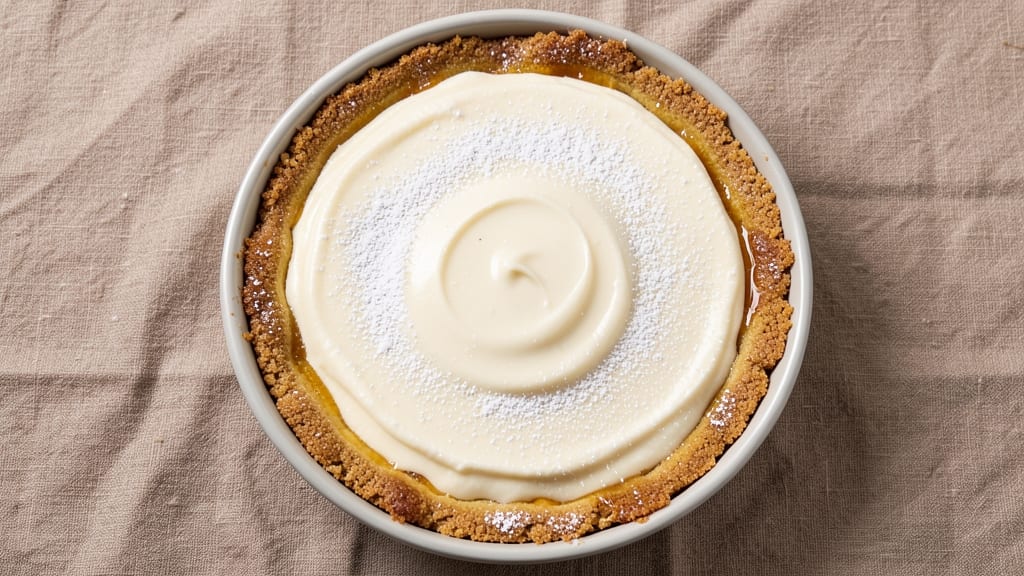
This Philadelphia cream cheese baked cheesecake recipe delivers the perfect balance of silky texture and clean crust every time—no wobbly center in sight.
After years of testing, I’ve refined the method to ensure a smooth, creamy filling that sets just right, with a buttery graham cracker crust that holds up beautifully. The secret lies in precise ingredient ratios and a gentle baking approach that prevents cracking while ensuring a fully set center.
The foundation of this recipe is using full-fat Philadelphia cream cheese for maximum richness, combined with a precise blend of eggs and sugar to create a batter that’s thick enough to hold its shape but light enough to stay tender.
A water bath during baking guarantees even heat distribution, which is critical for that signature jiggle-free finish. This method transforms what can be a finicky dessert into a reliable, restaurant-quality treat.
What you’ll end up with is a cheesecake that’s creamy yet firm, with a golden crust that’s crisp enough to cut through the velvety filling. The texture is smooth and uniform, without any graininess or separation that often plagues homemade versions.
This recipe is designed for success—whether you’re a baking novice or a seasoned pro looking for a foolproof method.
For added flair, consider incorporating a swirl of raspberry jam or a layer of chocolate ganache before baking. The possibilities for toppings are endless, from fresh berries to a sprinkle of crushed nuts. Once you master this technique, you’ll never buy store-bought cheesecake again—it’s that good.
Ingredients for philadelphia cream cheese baked cheesecake
Full-fat cream cheese, precise ratios, and a water bath ensure a silky, jiggle-free cheesecake every time.
| Ingredient | Amount | Notes |
|---|---|---|
| Full-Fat Philadelphia Cream Cheese 🧀 | 32 oz | Room temperature for blending |
| Granulated White Sugar 🍚 | 1 ½ cups | Superfine preferred for smoothness |
| Large Eggs 🥚 | 4 whole | Room temperature, separated |
| All-Purpose Flour 🌾 | ½ cup | Sifted for smooth batter |
| Vanilla Extract 🌿 | 2 tsp | Pure Madagascar preferred |
| Graham Cracker Crumbs 🍪 | 1 ½ cups | Hulless preferred for texture |
| Unsalted Butter 🧈 | ½ cup | Melted, cooled slightly |
| Light Corn Syrup 🍯 | ¼ cup | Prevents cracking |
| Salt 🧂 | ½ tsp | Fine sea salt preferred |
| Raspberry Jam 🍓 | ¼ cup | For optional swirl |
| Dark Chocolate Ganache 🍫 | ½ cup | Optional topping |
| Heavy Whipping Cream 🥛 | ½ cup | For optional whipped topping |
The Philadelphia cream cheese must be full-fat and at room temperature—cold lumps ruin the texture. Philadelphia brand is non-negotiable for authentic flavor. For the best results, buy the 8 oz blocks rather than tubs, as they hold their shape better during blending. The graham cracker crumbs should be hulless for a finer texture; Honey Maid or Kraft brands work well. If you can't find hulless, pulse regular crumbs in a food processor for a smoother consistency. The corn syrup is crucial—it prevents cracking by slowing moisture evaporation during baking. For the vanilla extract, Madagascar bourbon or Tahitian varieties add depth beyond imitation extracts.
No Philadelphia cream cheese? Full-fat cream cheese from a trusted brand like Boursin works in a pinch, but the flavor won't be identical. Running short on eggs? Use 4 large egg yolks + 2 whites for stability, or aquafaba as a vegan substitute (though texture may vary). For the graham cracker crust, swap in digestive biscuits or pecan pie crust for a different flavor profile. The raspberry jam can be substituted with blueberry, apricot, or even caramel for a sweet twist. If you're making this ahead, prepare the crust 24 hours in advance—it holds together better and prevents sogginess. For the chocolate ganache, use 70% dark chocolate and equal parts heavy cream for a glossy finish.
This cheesecake keeps beautifully—4-5 days in the fridge once fully cooled. For longer storage, freeze for up to 3 months in an airtight container. To reheat, let it sit at room temperature for 1-2 hours before serving. The water bath is non-negotiable for a jiggle-free center, so don't skip it. If you're nervous about cracking, bake at 325°F (163°C) and avoid opening the oven door during the first hour. For a showstopping presentation, dust with powdered sugar or add a berries compote on top right before serving. Leftovers? Store in single slices for easy grab-and-go portions.
Why You'll Love This Recipe
- No-Mix Magic: Mixing is overrated here—just beat the cream cheese and sugar until smooth, fold in eggs and flour, and you’re done. The batter’s so simple, even my toddler could help (though I wouldn’t let her).
- Creamy Crunch Perfection: That golden crust? Pure satisfaction. The flour base gets crispy while the center stays velvety, thanks to the full-fat cream cheese. One bite and you’ll understand why I keep a pan in the freezer.
- Weeknight Wonder: Between us, this is my go-to for dinner parties and lazy Sundays. The same batter works for a single slice or a whole cake—just adjust the pan size. (Yes, even on a Tuesday night.)
- Budget-Friendly Luxury: Uses pantry staples you already own, but tastes like you spent hours baking. The cream cheese and eggs stretch further than you’d think, and leftovers? They’re the best kind—no one complains about seconds.
Step-by-step instructions for Philadelphia cream cheese baked cheesecake
Here's the method to achieve a perfectly smooth, jiggle-free center every time.
Prepare the Crust and Pre-Bake
Preheat your oven to 325°F. In a medium bowl, combine the 1.5 cups graham cracker crumbs with the 0.5 cup melted unsalted butter and 0.25 cup light corn syrup. Mix until evenly moistened and the crumbs hold together when pressed. Press this mixture firmly into the bottom of a 9-inch springform pan, creating an even layer.
Bake the crust for 10 minutes to set, then remove from the oven and let it cool slightly. While the crust bakes, prepare the filling by beating the 32 oz full-fat Philadelphia cream cheese with the 1.5 cups granulated white sugar until completely smooth and creamy. This step ensures no lumps remain, which could affect texture.
Blend the Filling Ingredients
In a separate large bowl, combine the cream cheese mixture with the 4 whole large eggs, 0.5 cup all-purpose flour, 2 teaspoons vanilla extract, and 0.5 teaspoon salt. Use an electric mixer on medium speed, beating for 2-3 minutes until fully incorporated and the batter is smooth and homogeneous. This thorough blending prevents cracks and ensures a uniform texture throughout the cheesecake.
Real talk: Don't rush this step. The goal is to eliminate all air pockets and ensure the eggs are fully emulsified with the cream cheese. You'll know it's ready when the mixture leaves a clean streak on the side of the bowl when you lift the beaters.
Assemble and Bake the Cheesecake
Pour the filling mixture over the pre-baked crust, spreading it evenly. For a classic look, you can create a simple swirl by dropping spoonfuls of the 0.25 cup raspberry jam onto the batter before baking. Gently swirl with a knife to create marbled patterns. Place the pan on a baking sheet to catch any potential drips.
Bake at 325°F for 50-60 minutes, until the edges are set and the center still has a slight wobble but isn't completely liquid. The key is patience here—overbaking leads to a dense, dry cheesecake. You'll notice the center should be slightly underdone when you remove it from the oven, as it continues to set as it cools.
Cool and Finish
Turn off the oven, crack the door open slightly, and let the cheesecake cool inside for 30 minutes. This gradual cooling prevents cracking. Then remove the cheesecake from the oven and let it cool completely at room temperature for 1 hour. Refrigerate for at least 4 hours or overnight to fully set.
For the finishing touches, spread the 0.5 cup dark chocolate ganache over the top or pipe the 0.5 cup heavy whipping cream into decorative swirls. The chilled cheesecake should have a firm, jiggle-free center with a smooth, creamy texture that melts in your mouth. Serve chilled and enjoy the perfect balance of rich cream cheese and subtle sweetness.
Pro Tips For Making Philadelphia Cream Cheese Baked Cheesecake
- Whip Cream Cheese Slowly: I learned this the hard way—dumping all the cream cheese into the mixer at once makes it grainy. Add it in stages, scraping the bowl every 30 seconds, until it’s smooth. The extra time pays off in texture.
- Use Room-Temp Eggs: Cold eggs? They’ll curdle your batter. Pull them from the fridge at least 30 minutes before mixing—just crack them into a bowl first to check for freshness. No one wants a lumpy cheesecake.
- Avoid Overbaking the Crust: That golden edge looks perfect, but if the crust darkens too fast, it’ll burn before the center sets. Pull the pan when the edges are just set and the middle still jiggles slightly—it’ll firm up as it cools.
- Sift the Flour First: Lumps in the crust? Sift the flour before mixing—it’s the only way to guarantee a fine, even texture. I skip this sometimes, and the crust ends up dense and chewy. Not a dealbreaker, but why bother if you can avoid it?
Common mistakes when making this dish
Overmixing the Batter
I’ve seen countless cheesecakes turn out dense and rubbery from overmixing the filling. Once you’ve incorporated all ingredients—especially after adding the eggs—stop mixing as soon as the batter is smooth and homogeneous. Overmixing introduces too much air, which can cause the cheesecake to rise unevenly or develop a grainy texture.
Use a hand mixer on medium speed for just 2-3 minutes max. The moment the batter leaves a clean streak on the bowl’s side, it’s ready. 💡
Skipping the Water Bath
The water bath isn’t optional—it’s the secret to that jiggle-free center. Without it, the cheesecake can bake too quickly on the outside while staying undercooked inside, leading to a cracked or uneven texture.
Place your springform pan inside a larger roasting pan, then fill the roasting pan with hot water (about 1 inch deep) before baking. This gentle, even heat distribution is what prevents cracks and ensures a perfectly set center.
Room-Temperature Ingredients
Cold cream cheese or eggs are the #1 reason for a failed cheesecake. If your cream cheese has any cold spots, it won’t blend smoothly, leading to lumps in the batter. Let the 32 oz Philadelphia cream cheese sit at room temperature for at least 2 hours before blending.
The same goes for the eggs—remove them from the fridge 30 minutes before using. Cold ingredients cause the batter to separate or develop a curdled texture. Honestly, this one small step makes all the difference. ❄️
Opening the Oven Too Soon
Resist the urge to peek! Opening the oven door during the first 45 minutes of baking causes sudden temperature drops, which can lead to cracks or a sunken center.
If you’re worried about doneness, use an instant-read thermometer to check the internal temperature—it should reach 150-155°F at the center when done. The cheesecake will continue setting as it cools, so trust the process. Patience here is key to avoiding common baking mishaps.
Overbaking for a "Fully Set" Center
Many home bakers overbake in an attempt to eliminate any wobble, but this is a mistake. A fully baked cheesecake should have a slight jiggle in the center when you gently shake the pan. Overbaking dries out the filling, making it dense and crumbly.
The cheesecake will firm up as it cools, so pull it out when the edges are set and the center still has a gentle wobble. Let it cool gradually to avoid cracks.
Using Subpar Ingredients
Not all cream cheese is created equal. Full-fat Philadelphia cream cheese is non-negotiable for this recipe—it’s the gold standard for flavor and texture. Cheap or low-fat substitutes will result in a crumbly or watery cheesecake.
The same goes for the graham cracker crumbs: use hulless for a finer texture, and avoid pre-made mixes that often contain fillers. Cutting corners here will compromise the final result. Trust me, the difference is night and day. 🧀
Nutrition facts
Frequently asked questions
Why does this recipe use a water bath?
The water bath creates even heat distribution, preventing cracks and ensuring a perfectly set center without overbaking. The gentle moisture helps the cheesecake bake slowly and evenly, which is especially important for delicate cream cheese-based desserts.
Can I make this cheesecake without a springform pan?
Yes, but you'll need to use a 9-inch oven-safe pan with a removable bottom. Line the pan with parchment paper for easy removal. The crust may be slightly thicker, but the texture will remain the same. Just grease the pan thoroughly to prevent sticking.
How do I prevent cracks in the cheesecake?
Cracks are usually caused by sudden temperature changes or overmixing. Avoid opening the oven door during the first 45 minutes of baking, and let the cheesecake cool gradually after baking. Also, don't overmix the batter—just blend until smooth and homogeneous.
What’s the best way to store leftovers?
Store in an airtight container in the fridge for up to 5 days. For longer storage, freeze individual slices wrapped in plastic wrap for up to 3 months. Thaw overnight in the fridge before serving to maintain texture.
Can I substitute Philadelphia cream cheese?
While full-fat Philadelphia cream cheese is ideal, you can use other high-quality full-fat cream cheeses like Boursin in a pinch. However, the flavor and texture may vary slightly. For a vegan option, use a cashew-based cream cheese substitute, but adjust the liquid ratios as needed.