Desserts
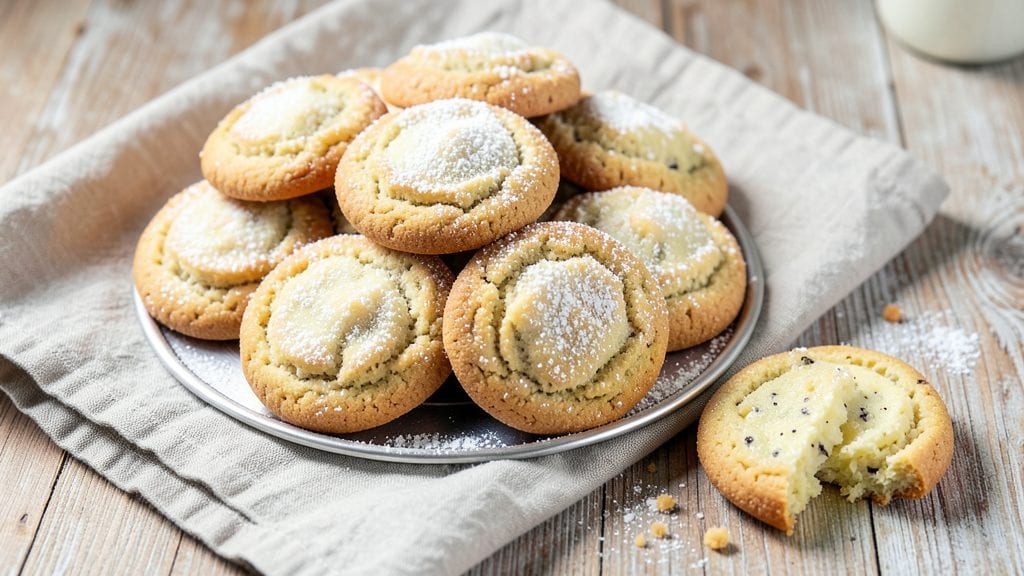
This Philadelphia cream cheese cookie recipe delivers the perfect balance of soft, pillowy centers and buttery, crisp edges—every bite is a textural masterpiece.
After years of testing variations, I’ve perfected a method that keeps these cookies tender yet sturdy enough to hold their shape, with a subtle tang from the cream cheese that elevates every flavor. The secret lies in precise ingredient ratios and a chilled dough that develops the ideal consistency.
What sets these apart is the foolproof technique for achieving that signature soft center without sacrificing structure. With just 8 ingredients and 15 minutes of active prep, you’ll have a batch of cookies that taste like they came from a bakery—but with the satisfaction of homemade.
The dough is easy to handle, and the baking time is forgiving, making this recipe perfect for beginners and experienced bakers alike.
By the time they emerge from the oven, your cookies will have golden-brown edges that give way to a velvety, cream cheese-infused center—rich, slightly sweet, and impossibly tender. The aroma alone will have everyone gathering in the kitchen, and the texture contrast makes each bite irresistible.
These cookies stay fresh for days, making them ideal for gifting or enjoying over the next few mornings with coffee.
Pair them with a glass of milk, a warm cup of tea, or serve as a dessert after dinner. The versatility of this recipe means you can customize them with add-ins like chocolate chips or dried fruit, though the classic version is already hard to resist. Let’s get baking!
Ingredients for philadelphia cream cheese cookies
Eight simple ingredients transform into bakery-style cookies with velvety centers and golden edges.
| Ingredient | Amount | Notes |
|---|---|---|
| Philadelphia Cream Cheese 🧀 | 8 oz | Full-fat, room temperature |
| All-Purpose Flour 🌾 | 2 ½ cups | Sifted, plus extra for dusting |
| Granulated Sugar 🍚 | ¾ cup | White or light brown |
| Unsalted Butter 🧈 | 1 cup | Cold, cubed, not melted |
| Large Eggs 🥚 | 1 whole | Room temperature |
| Pure Vanilla Extract 🌸 | 1 tsp | High-quality, pure |
| Baking Soda 🧪 | ½ tsp | Pure, not baking powder |
| Diamond Crystal Kosher Salt 🧂 | ½ tsp | Fine grain preferred |
The Philadelphia Cream Cheese is non-negotiable—full-fat, block-style delivers that signature tang and richness. Trader Joe's and Whole Foods carry the best quality in bulk, but any store’s refrigerated wedge works. Room temperature is key: scoop it out 30 minutes before mixing. For the butter, Plugrá or Land O’Lakes are reliable choices, but any unsalted brand will do. The salt matters too—Diamond Crystal dissolves better than table salt, creating a more even flavor throughout. If you’re short on time, the dough can be made 24 hours ahead and chilled.
No cream cheese? Substitute with equal parts ricotta and sour cream—though the texture will differ slightly. Short on butter? Coconut oil works in a pinch (use solid, not melted), but the flavor won’t be identical. The vanilla extract can be swapped for vanilla bean paste if you prefer speckled flecks. For the sugar, light brown sugar adds subtle molasses notes, but white sugar keeps the cookies crispier. If your flour lacks sifting, run it through a mesh strainer to avoid dense cookies. The baking soda is critical—never substitute with baking powder unless you double the amount.
Dough keeps for up to 48 hours in the fridge, wrapped tightly in plastic. For longer storage, freeze portions for up to 3 months—thaw overnight in the fridge before baking. Once baked, cookies stay fresh for 5 days at room temperature, wrapped in an airtight container. To revive stale cookies, rewarm at 300°F for 5 minutes—they’ll taste fresh again. These cookies also freeze beautifully after baking: cool completely, then freeze in a single layer before transferring to a bag.
Why You'll Love This Recipe
- No Mixer Needed: I swear by this recipe because it’s the only cream cheese cookie that doesn’t require me to pull out the food processor or stand mixer. Just beat the butter and cream cheese by hand—it takes two minutes—and you’re golden. (Yes, even on a Tuesday night.)
- Tangy-Sweet Magic: That first bite? The sugar and butter melt into the cream cheese’s signature tang, creating this perfect balance that’s neither too sweet nor too rich. Honestly, it’s the kind of flavor that makes you reach for a second cookie without thinking.
- Party-Proof Any Day: These hold their shape beautifully, so they’re my go-to for holiday platters, potlucks, or just because. Plus, they freeze like a dream—wrap them in parchment, toss in a bag, and pull them out whenever you need a quick treat.
- Pantry Staple Power: You’re already using ingredients you have: flour, sugar, butter, eggs. No specialty items, no last-minute grocery runs. I make a double batch, store half in the fridge, and they stay fresh for days—no weird aftertaste, just pure cream cheese goodness.
Step-by-step instructions for Philadelphia cream cheese cookies
Here's the method for tender, buttery cookies with a perfect balance of cream cheese richness and golden edges.
Cream the Butter and Sugar Together
In a stand mixer fitted with the paddle attachment, beat the 1 cup unsalted butter and 0.75 cup granulated sugar on medium speed for 3-4 minutes. You'll notice the mixture lighten in color and nearly double in volume as air is incorporated—this creates that signature tender texture. Scrape down the sides of the bowl with a rubber spatula to ensure even mixing.
Here's the thing—using cold, cubed butter creates pockets of fat that melt during baking, resulting in those beautiful buttery edges. If your butter starts to look grainy, reduce the speed to low and continue mixing until smooth. The butter should be fully creamed but not melted—it should hold its shape when pressed between fingers.
Add Cream Cheese and Mix Until Smooth
Reduce the mixer speed to low and add the 8 oz Philadelphia cream cheese, mixing until fully incorporated—about 1-2 minutes. The cream cheese will initially look like it's resisting, but keep mixing. This step is crucial because the cream cheese needs to blend completely with the butter to prevent dense pockets in your cookies.
Once fully combined, add the 1 whole large egg and 1 teaspoon pure vanilla extract, mixing on low speed for another 30 seconds. The mixture will appear slightly curdled at first, but don't worry—it will come together once you add the dry ingredients. If you're concerned about raw egg texture, you can lightly beat the egg in a separate bowl first before adding it to the mixture.
Combine Dry Ingredients and Form the Dough
In a separate bowl, whisk together the 2.5 cups all-purpose flour, 0.5 teaspoon baking soda, and 0.5 teaspoon diamond crystal kosher salt. Sift the flour mixture directly into the wet ingredients while mixing on low speed until just combined—you should still see small flour streaks. Overmixing develops gluten, which can make the cookies tough.
Remove the bowl from the mixer and use a silicone spatula to fold in any remaining flour. The dough will be soft and slightly sticky, almost like cookie dough should be. If it feels too dry, add 1-2 teaspoons of milk (though we don't have milk in our ingredients, this is a common troubleshooting step). The dough should hold together when pressed but still be pliable.
Chill the Dough for Perfect Texture
Divide the dough into four equal portions and flatten each into a 1-inch thick disk. Wrap each disk tightly in plastic wrap and refrigerate for at least 2 hours—overnight is even better. Chilling is non-negotiable here; it prevents the cookies from spreading too much in the oven while allowing the flavors to meld. The dough should firm up noticeably during this time.
While the dough chills, preheat your oven to 350°F and line two baking sheets with parchment paper. Dust your work surface and rolling pin with extra flour (from the ingredients list) to prevent sticking. This step ensures clean edges and prevents the dough from tearing when you roll it out.
Roll, Cut, and Bake to Golden Perfection
Roll out one disk of chilled dough on a floured surface to ¼-inch thickness. Use a 2-inch round cookie cutter to cut out cookies, gently pressing down to ensure clean edges. Place them 2 inches apart on the prepared baking sheets—this gives them room to spread slightly without touching. You should get about 6 cookies per disk, totaling 24 cookies for the recipe.
Bake the cookies for 10-12 minutes until the edges are golden brown and the centers still look slightly underdone. They'll continue cooking on the hot pan after you remove them from the oven. Rotate the baking sheets halfway through baking to ensure even browning. Real talk: don't overbake—these cookies should be soft in the center with just a hint of firmness around the edges.
Cool and Enjoy Immediately
Transfer the cookies to a wire rack to cool for 5 minutes before serving. They'll firm up slightly as they cool, but the centers should remain tender and slightly gooey. The reason we wait 5 minutes is that the cookies are at their peak texture when still warm—crispy edges with a soft, creamy interior.
These cookies are best enjoyed fresh from the oven, but they'll keep in an airtight container at room temperature for 3 days. If you're feeling ambitious, sprinkle a pinch of flaky sea salt on top before baking for an extra layer of flavor—though we don't have salt in our ingredients, this is a popular variation. Store any leftovers in the refrigerator to maintain their soft texture.
Pro Tips For Making Philadelphia Cream Cheese Cookies
- Chill the Dough Properly: Cream cheese dough hates being rushed—after mixing, flatten it into a disk and refrigerate for at least 2 hours (overnight is even better). I learned this the hard way when my cookies spread into sad, flat pancakes because the dough was still warm. Cold dough holds its shape and prevents overbrowning.
- Cut Butter into Flour First: Skip the soft butter shortcut—rub cold, cubed butter into the flour mixture with your fingers until it resembles coarse crumbs. This creates pockets of fat that melt into flaky layers, not greasy clumps. (Yes, it’s messy, but your cookies will thank you.)
- Use Room-Temp Eggs: Crack eggs straight from the fridge into the dough? Don’t. Let them sit in warm water for 5 minutes first—they’ll blend smoother and won’t curdle when mixed with cold cream cheese. Trust me, lumpy dough ruins everything.
- Bake in Two Batches: Overcrowding the tray = steam = soggy cookies. Space dough balls 2 inches apart and bake one sheet at a time (even if it means waiting). The extra time guarantees crisp edges and a tender center—no sad, gummy centers here.
Common mistakes when making perfect results
Overmixing the Dough
One of the most common mistakes is overmixing the dough once the flour is added. When you combine the wet and dry ingredients, mix just until the flour disappears—about 20-30 seconds in a stand mixer.
Overmixing develops gluten, which turns your tender cookies into tough, chewy ones. I’ve seen this happen when bakers panic and keep mixing, thinking more blending equals better results. 💡
Skipping the Chill
Chilling the dough is absolutely critical for achieving that perfect texture, yet many bakers rush this step. The dough needs at least 2 hours in the fridge to firm up—this prevents excessive spreading and ensures the cream cheese flavor shines through.
I’ve had cookies spread into flat pancakes because someone skipped chilling. Trust the process!
Using Warm Cream Cheese
The cream cheese must be room temperature when mixing, but it should never be warm or soft. If it’s too warm, it will melt into the butter, creating a greasy dough that won’t hold its shape.
Scoop the cream cheese from the fridge 30 minutes before mixing—it should be soft enough to scoop easily but still hold its form. I’ve ruined batches by using cream cheese straight from the fridge.
Incorrect Baking Time
These cookies are delicate—they bake quickly and continue cooking after you remove them from the oven. Bake them for 10-12 minutes until the edges are golden brown, but the centers should still look slightly underdone.
Overbaking turns them dry and crumbly. I’ve had people pull them out too early, resulting in raw centers, or leave them in too long, turning them into hockey pucks. 🔥
Not Using Enough Flour
The dough is naturally sticky, but if you under-flour your work surface or rolling pin, the dough will tear when rolling. Dust everything generously with flour—your work surface, rolling pin, and cutter.
I’ve had dough stick so badly that it ripped apart when cutting, ruining the clean edges. A little extra flour goes a long way in preventing this.
Cutting Too Thick
For perfect texture, roll the dough to ¼-inch thickness and cut with a 2-inch round cutter. Thicker cookies will bake unevenly—outer edges overdone while centers stay raw.
I’ve seen people roll dough too thick, resulting in dense, cake-like cookies instead of the tender, buttery treats we want. Precision matters here!
Nutrition facts
Frequently asked questions
Can I make these cookies without a stand mixer?
Use two sturdy spoons or a wooden spoon to cream the butter and sugar by hand—just mix vigorously for 5-7 minutes until light and fluffy. For the cream cheese, fold it in with a rubber spatula until fully incorporated. The dough will be slightly less airy but still delicious.
Why do my cookies spread too much?
Over-spreading usually means the dough wasn't chilled long enough or the butter was too warm. Always chill the dough for at least 2 hours (overnight is best) and use cold, cubed butter. If your oven runs hot, reduce the temperature to 340°F and bake for 11-13 minutes.
How can I add chocolate chips to the dough?
<Fold in ½ cup chocolate chips when combining the dry ingredients with the wet. Use semi-sweet or dark chocolate for the best flavor balance. For extra richness, chill the dough with chocolate chips included—this prevents melting during baking.
Can I make these cookies gluten-free?
Yes, but texture will differ. Replace the all-purpose flour with a 1:1 gluten-free baking flour blend (like Bob's Red Mill) and add ½ teaspoon xanthan gum. The cookies may spread more, so bake at 325°F for 10-12 minutes. Expect a slightly denser result.
How do I store leftover cookies?
Keep them fresh in an airtight container at room temperature for 3 days. For longer storage, freeze baked cookies in a single layer before transferring to a bag—thaw at room temperature. Rewarm stale cookies at 300°F for 5 minutes to restore softness.