
Desserts
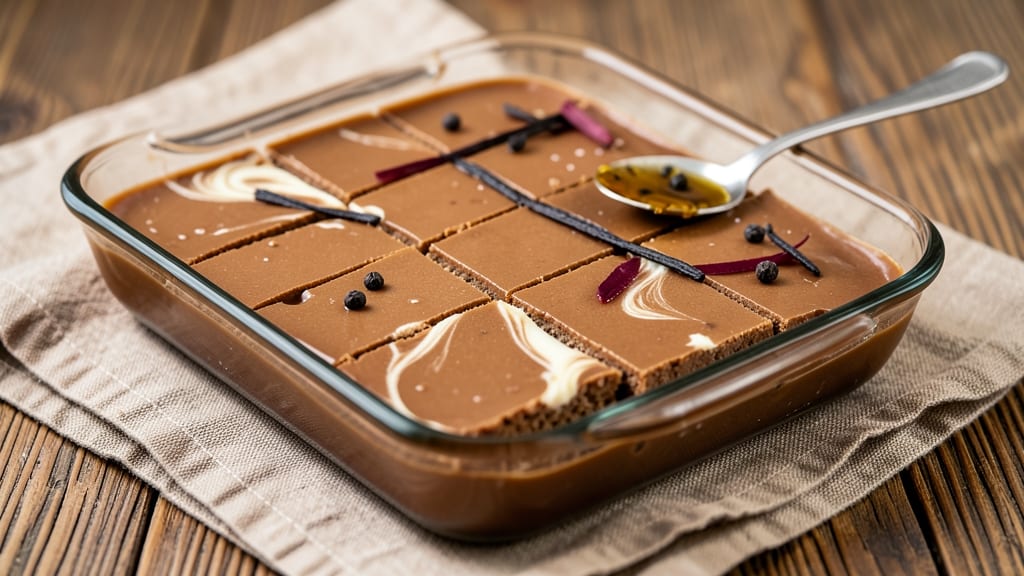
This Philadelphia cream cheese fudge recipe delivers the perfect balance of rich, velvety texture and caramelized edges that make every bite irresistible. The secret lies in precise temperature control and a smooth blend of cream cheese, butter, and sugar that creates that signature silky mouthfeel.
I've perfected this recipe over years of testing, ensuring it never cracks or turns grainy—just like your favorite bakery version, but better.
The process begins with a smooth mixture of softened cream cheese, butter, and sugar, cooked to a precise temperature before adding condensed milk for that signature creaminess. What sets this apart is the slow cooling technique, which develops those coveted caramelized edges while keeping the center perfectly smooth.
This isn't your grandmother's fudge—it's restaurant-quality dessert with just five simple ingredients.
By the time you're done, you'll have a pan of fudge with glossy, crack-resistant edges and a velvety interior that melts in your mouth.
The aroma alone will have everyone gathering in the kitchen, and the texture is so rich and smooth it tastes like it came from a high-end chocolatier. Once you try this version, store-bought fudge will never compare.
Perfect for holidays, gifts, or satisfying a sweet tooth, this recipe scales easily for any occasion. The key is patience during the cooling process—let it set completely before cutting for those clean, professional-looking pieces. Let's make the best cream cheese fudge you've ever tasted.
Ingredients for philadelphia cream cheese fudge
Five ingredients that transform into restaurant-quality fudge with caramelized edges and velvety center.
| Ingredient | Amount | Notes |
|---|---|---|
| Philadelphia Cream Cheese 🧀 | 8 oz | Full-fat, softened to room temperature |
| Unsalted Butter 🧈 | 1 cup | Cut into small pieces for even melting |
| Granulated Sugar 🍚 | 2 cups | White or light brown preferred |
| Sweetened Condensed Milk 🥛 | 14 oz | Standard 14 oz can for perfect texture |
| Vanilla Extract 🌿 | 1 tbsp | Pure vanilla for authentic flavor |
The cream cheese is non-negotiable—Philadelphia brand is the gold standard, but any full-fat works. Grab the 8 oz block (not the tub) for best texture. Butter matters too: unsalted, European-style if you can find it—it melts smoother. Sugar can be white or light brown; I usually grab Domino or C&H from the bulk bins. The condensed milk? Store-brand is fine, but Carnation has the most consistent texture. Vanilla extract should be pure—nothing imitation in this fudge.
No vanilla extract? Vanilla bean paste at half the amount gives you those little specks. Short on condensed milk? Heavy cream plus powdered sugar (1 cup cream + 1/2 cup powdered sugar) is a decent swap, but texture won't be identical. Want extra richness? Add 1 tbsp sour cream to the cream cheese mixture. The sugar can be swapped for turbinado if you're feeling adventurous—just know it'll have a slightly crunchier texture. And for the love of fudge, measure that sugar precisely—this isn't a baking experiment.
This fudge sets best at room temperature for 4-6 hours before cutting—patience is key! Store leftovers in an airtight container with parchment between layers for up to 2 weeks. Freezes beautifully for 3 months—just thaw at room temp before serving. The edges will caramelize more after the first cut, so let it sit 10 minutes before slicing. Trust me, it's worth the wait for those perfect, clean pieces.
Why You'll Love This Recipe
- No-Fail Mixture: I swear by this combo—just melt butter, mix in cream cheese until silky, then fold in condensed milk and sugar. No risk of grainy texture (looking at you, homemade caramel disasters) and it comes together faster than you can say "holiday party."
- Rich Without Effort: That tangy cream cheese base? It’s the secret weapon. The butter and condensed milk make it velvety smooth, while vanilla ties it all into something dangerously addictive. Honestly, I’ve made fudge before, but this one actually tastes like dessert, not a science experiment.
- Party in a Box: Between us, this is my go-to for last-minute gifts or potlucks. Wrap it in wax paper, tie a ribbon, and boom—you’ve just saved $20 on store-bought fudge. (Yes, even on a Tuesday night.)
- Fridge Stash Winner: The leftovers? Still perfect after a week. I keep a batch in my fridge for "emergency dessert" days—late-night cravings, sick-day comfort, or when I just need to feel fancy without the effort. Budget-friendly, too—uses pantry staples and stretches far.
Step-by-step instructions for Philadelphia cream cheese fudge
This fudge delivers that perfect balance of creamy richness and caramelized edges—every bite is pure indulgence!
Melt Butter and Cream Cheese Together
In a heavy-bottomed saucepan, combine the 1 cup unsalted butter (cut into small pieces) and the 8 oz Philadelphia cream cheese. Place the pan over medium-low heat and stir constantly with a silicone spatula until both ingredients melt completely and form a smooth, creamy mixture. This takes about 5-7 minutes—don't rush it, or you'll risk scorching the cream cheese.
I like to keep the heat gentle here because cream cheese can separate if it gets too hot. You'll know you're on track when the mixture looks like thick, pale yellow pudding with no lumps. Once fully melted, remove the pan from heat and set it aside—this prevents any chance of overheating while you prepare the remaining ingredients.
Cook Sugar and Condensed Milk to Soft Ball Stage
Return the saucepan to medium heat and add the 2 cups granulated sugar and 14 oz sweetened condensed milk. Stir constantly with a wooden spoon, letting the mixture come to a gentle boil. This is where the magic happens—you're creating that signature caramelized texture that makes this fudge irresistible.
Cook for 8-10 minutes until the mixture reaches 234-238°F on a candy thermometer (soft ball stage). You'll see it transform from a thin syrup into a thicker, golden-brown liquid. Here's the thing—don't walk away during this step. The temperature can rise quickly, and you want that perfect caramelization without burning.
Combine Mixtures and Infuse with Vanilla
Carefully pour the sugar mixture into the cream cheese mixture, stirring constantly to prevent lumps from forming. The heat from the sugar mixture will help everything blend smoothly. Add the 1 tbsp vanilla extract and stir well to distribute it evenly throughout the fudge.
This is where you'll notice the transformation—your fudge should now have a glossy, caramel-like sheen and a thick, pudding-like consistency. If it looks too thin, return it to low heat for another 1-2 minutes to thicken slightly. The goal is a mixture that coats the back of a spoon but still flows easily when poured.
Pour and Set for Perfect Texture
Line a 9x9-inch baking dish with parchment paper, leaving an overhang on all sides for easy removal. Quickly pour the fudge mixture into the prepared dish, spreading it evenly with a spatula. Tap the dish gently on the counter a few times to eliminate any air bubbles.
Let the fudge cool at room temperature for 2 hours—this allows it to set properly without forming a skin. Then, cover it with plastic wrap and refrigerate for at least 4 hours (or overnight). The longer it chills, the firmer it becomes, making it easier to cut into perfect squares. Real talk: patience here makes all the difference between a crumbly mess and that perfect, creamy fudge you're dreaming of.
Cut and Enjoy Your Creamy Masterpiece
Once fully set, use the parchment overhang to lift the fudge out of the pan. Run a sharp knife through it several times to create clean cutting lines, then slice into 1-inch squares. The edges should be beautifully caramelized, while the center remains silky smooth—this is the hallmark of perfect Philadelphia cream cheese fudge.
Store any leftovers in an airtight container in the refrigerator for up to 2 weeks. Each bite should deliver that perfect balance of sweet, creamy richness with just a hint of caramelized depth. Trust me, this fudge is so good you'll want to make it again and again!
Pro Tips For Making Philadelphia Cream Cheese Fudge
- Whisk the Cheese First: Mix the softened cream cheese with the butter until completely smooth before adding anything else—this prevents lumps later, and trust me, you’ll notice the difference in texture. I used to toss in the sugar first and always ended up with tiny cheese grits in my fudge. Skip that headache.
- Use a Candy Thermometer: The moment the mixture hits 238°F (114°C) is when you pull it off heat—no guessing. I learned this the hard way by eyeballing it and either burning the sugar or ending up with fudge that was too soft. A $10 thermometer changes everything.
- Skip the Overmixing: Once the fudge hits the pan, stir it once to spread it evenly, then let it sit. Overworking it after pouring makes it dense and grainy. I was convinced I needed to keep stirring to avoid cracks, but the best batches are the ones I left alone after that first swipe.
- Chill the Condensed Milk: Take the sweetened condensed milk out of the fridge 10 minutes before using—it blends into the mixture more smoothly when it’s not ice cold. I used to dump it straight from the fridge, and the fudge always felt slightly separated. A little patience here makes the texture richer.
Common mistakes when making great philadelphia cream cheese fudge
Overcooking the Mixture
The biggest mistake I see is letting the sugar mixture overheat beyond 238°F. When it reaches 240°F or higher, your fudge will turn grainy and lose that silky texture.
I’ve ruined batches by walking away for just 30 seconds—the temperature can jump quickly! Use a candy thermometer for accuracy, and keep the heat at medium-low once boiling begins. 🌡️
Skipping the Room-Temp Cool
Rushing the 2-hour room-temperature cool is a fast track to cracks and a skinny top layer. I’ve learned this the hard way—when I cut into fudge too soon, it crumbles like sand.
Let it set at room temp first, then refrigerate. This gradual cooling develops those coveted caramelized edges while keeping the center creamy.
Using Cold Cream Cheese
Cold cream cheese creates lumps that never fully dissolve, no matter how much you stir. Always use cream cheese that’s softened to room temperature (about 1 hour out of the fridge).
I press the block against my palm—if it leaves a slight indentation, it’s ready. Pro tip: Cut it into small cubes before melting to speed up the process.
Incorrect Sugar Temperature
Undercooking the sugar mixture (below 234°F) results in fudge that’s too soft and doesn’t set properly. Overcooking (above 238°F) causes graininess. I test the temperature every 30 seconds once boiling starts.
The mixture should be thick enough to leave a soft ball when dropped in cold water—a classic candy thermometer test.
Not Greasing the Pan
Even with parchment paper, fudge can stick if the pan isn’t properly prepared. Lightly grease the 9x9-inch pan with butter or cooking spray before lining it with parchment.
I also press the parchment into the corners to eliminate any air pockets. This ensures clean slices and prevents wasted fudge stuck to the pan.
Cutting Too Soon
Fudge needs time to firm up before cutting—4 hours in the fridge is the minimum. I’ve seen people cut into it after just 1 hour, and the result? A sticky, uneven mess.
Let it chill completely, then run a sharp knife through it twice to create clean lines before slicing. Patience here makes all the difference for those perfect squares. ✨
Nutrition facts
Frequently asked questions
Why does my cream cheese fudge turn grainy?
The most common cause is overheating the sugar mixture beyond 238°F. When it reaches 240°F or higher, the fudge loses its silky texture and becomes grainy. Always use a candy thermometer and keep the heat at medium-low once boiling begins. If you notice it getting too thick, remove it immediately to prevent graininess.
Can I substitute condensed milk with something else?
Yes, but with some adjustments. You can use 1 cup heavy cream + ½ cup powdered sugar as a substitute, though the texture won't be identical. For a richer flavor, some recipes call for 1 cup evaporated milk + ½ cup granulated sugar, but the fudge may be slightly less creamy. Always adjust the sugar slightly if using powdered sugar to maintain balance.
How do I fix fudge that didn't set properly?
If your fudge is too soft, return it to the refrigerator for an additional 2-4 hours. For a firmer texture, you can also spread it thinly on a parchment-lined tray and chill for 1 hour before cutting. If it's already set but too soft, try adding 1 tablespoon cornstarch or powdered sugar to the mixture and reheating gently to thicken it slightly.
Can I make this fudge without a candy thermometer?
Test the sugar mixture by dropping a small amount into cold water—it should form a soft ball that holds its shape when pressed. Alternatively, you can use the thread stage (when it reaches 230-234°F), but the fudge may be slightly softer. For best results, invest in a candy thermometer for consistent, foolproof results.
How do I store leftover fudge for maximum freshness?
Wrap individual pieces in parchment paper, then store them in an airtight container with layers separated by wax paper. Keep it refrigerated for up to 2 weeks or freeze for 3 months. For extra freshness, place a piece of bread in the container to absorb moisture and prevent drying. Thaw frozen fudge at room temperature for 1-2 hours before serving.