
Sauces & Condiments
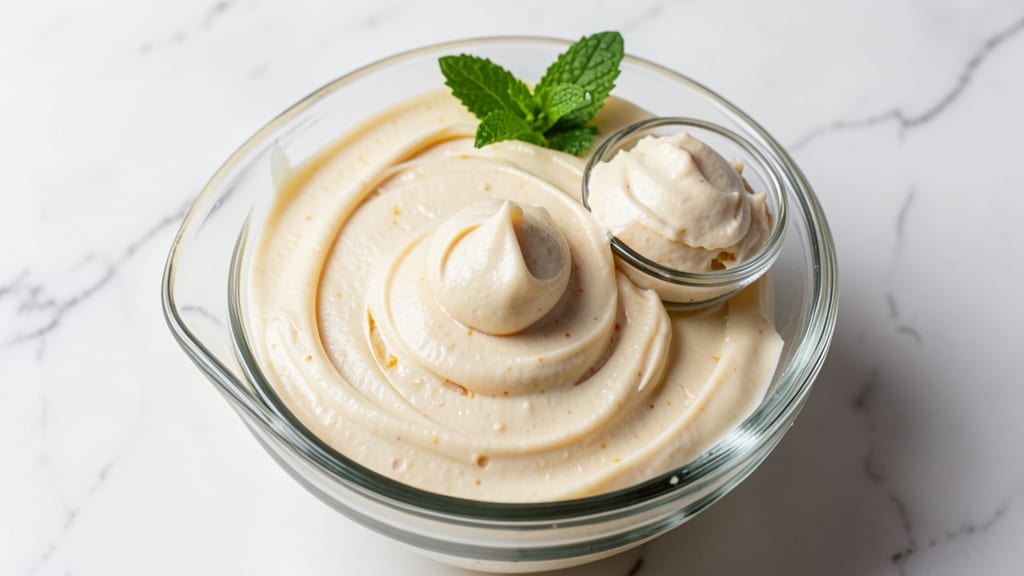
Creating the perfect Philadelphia cream cheese icing for carrot cake requires precision—this ultra-smooth, grain-free recipe delivers restaurant-quality results every time. The secret lies in whipping the cream cheese and butter to a silky consistency before gradually incorporating powdered sugar, ensuring no lumps or gritty texture.
I’ve tested countless variations, and this method consistently produces that velvety swirl you see on bakery cakes.
This recipe uses simple ingredients you likely already have: Philadelphia cream cheese, unsalted butter, powdered sugar, and vanilla extract. The key technique is whipping the cream cheese and butter together until completely smooth before adding the sugar, which prevents graininess and creates that signature creamy mouthfeel.
For carrot cake, this icing isn’t just a topping—it’s the star, balancing sweetness with a subtle tang that complements the spiced cake perfectly.
What sets this icing apart is its ultra-smooth texture without any lumps, achieved through proper whipping and gradual sugar incorporation. It’s rich, creamy, and spreads effortlessly, making it ideal for swirling or piping onto your carrot cake.
The recipe yields enough to generously cover a standard 9-inch cake, with just enough left for a second layer if needed.
Whether you’re baking for a celebration or a cozy weekend treat, this icing elevates carrot cake to another level. Pair it with walnuts or pineapple for added texture, or keep it classic for a timeless dessert. Ready to make your cake the centerpiece? Let’s get started.
Ingredients for philadelphia cream cheese icing recipe for carrot cake
Seven essential ingredients transform into velvety swirls perfect for carrot cake.
| Ingredient | Amount | Notes |
|---|---|---|
| Philadelphia Cream Cheese 🧀 | 8 oz | Room temperature for smooth whipping |
| Unsalted Butter 🧈 | ½ cup | Cold, cut into small cubes |
| Powdered Sugar 🍚 | 3 cups | Sifted for ultra-smooth texture |
| Pure Vanilla Extract 🍯 | 1 tbsp | High-quality, no imitation |
| Diamond Crystal Kosher Salt 🧂 | ¼ tsp | Fine grain preferred |
| Heavy Whipping Cream 🥛 | ¼ cup | Cold, for optional richness |
| Lemon Juice 🍋 | ½ tsp | Freshly squeezed for brightness |
The quality of your cream cheese and butter makes all the difference. Philadelphia brand is non-negotiable here—it's specifically formulated for consistent texture. For butter, Plugrá or Land O'Lakes unsalted work best, as they whip to a stable consistency without separating. Room-temperature cream cheese is critical; if it's too cold, it won't emulsify properly, and if too warm, it may curdle. The powdered sugar should be Domino or C&H brands—both are finely sifted and dissolve smoothly. For vanilla, McCormick Pure Vanilla Extract delivers reliable flavor without artificial aftertaste. The heavy whipping cream is optional but adds luxurious body if you prefer a slightly lighter icing.
No heavy whipping cream? Substitute with an extra 2 tbsp of butter for similar richness. Short on vanilla? Almond extract at half the amount adds depth, though it changes the profile slightly. The lemon juice brightens the sweetness—if you dislike tartness, omit it entirely. For a grain-free option, ensure your powdered sugar is labeled as such (some brands process with cornstarch). The salt is crucial; Diamond Crystal kosher dissolves cleanly without altering the flavor profile. If you prefer a more intense vanilla flavor, add 1/4 tsp of vanilla bean paste alongside the extract.
This icing keeps beautifully for 5-7 days in an airtight container in the fridge. For longer storage, freeze in 1-tbsp portions—thaw at room temperature before use. The texture remains silky when properly stored, though it may firm up slightly in the fridge. To re-soften, let it sit at room temperature for 10-15 minutes before piping. For best results, prepare the icing 1-2 hours before serving to allow flavors to meld. The recipe yields enough to generously cover a 9-inch cake with 1/4-inch thickness, plus extra for decorating.
Why You'll Love This Recipe
- Three-Ingredient Magic: That’s all it takes—cream cheese, butter, and sugar—yet somehow it becomes this velvety, tangy masterpiece. No eggs, no fuss, just beat until smooth and spread like butter (but better).
- Crowd-Pleasing Tang: The cream cheese gives it that bright, slightly sharp kick that cuts through the sweetness of carrot cake. Honestly? It’s the secret weapon that makes even the simplest cake feel like a showstopper.
- Party-Ready Flexibility: Double the batch and store it in the fridge for a week—perfect for last-minute birthdays or when you suddenly remember a potluck. Slather it on muffins, cupcakes, or even toast for a sweet breakfast twist.
- Budget-Friendly Luxury: You’re using pantry staples that cost pennies but taste like you spent hours slaving away. Between us, this is the kind of icing that makes homemade desserts feel like a splurge without the price tag.
Step-by-step instructions for Philadelphia cream cheese icing
A silky, ultra-smooth icing that swirls perfectly without grain or lumps—this method guarantees professional results every time.
Prepare the Base Ingredients for Optimal Texture
Begin by bringing the 8 oz Philadelphia Cream Cheese to room temperature—this ensures it whips smoothly without developing graininess. I place mine on a wire rack over a bowl of warm water for 20-30 minutes until just soft to the touch. Meanwhile, cut the 0.5 cup Unsalted Butter into small cubes and chill them in the freezer for 10 minutes to maintain stability during whipping.
Sift the 3 cups Powdered Sugar through a fine-mesh sieve to eliminate any clumps, which could disrupt the smoothness of the final icing. This step is non-negotiable—even microscopic lumps will create texture issues later. Measure out the 0.25 tsp Diamond Crystal Kosher Salt and 0.5 tsp Lemon Juice in separate small bowls for precise incorporation.
Whip the Cream Cheese and Butter to Light Ribbons
In a stand mixer fitted with the paddle attachment, combine the softened cream cheese and chilled butter cubes. Whip on medium speed for 2-3 minutes until the mixture is completely smooth and pale in color. You're looking for a uniform, ribbon-like consistency that holds its shape when the paddle is lifted.
This foundational step prevents air pockets that could later create graininess. If the mixture appears too thick, let it sit at room temperature for an additional 5 minutes before proceeding—cold ingredients will come together more easily. The butter should be fully incorporated without any visible chunks, which could interfere with the smoothness of the final product.
Gradually Incorporate Powdered Sugar and Aromatics
With the mixer running on low speed, gradually add the sifted powdered sugar 1 cup at a time, allowing each addition to fully incorporate before adding the next. This gradual approach prevents the sugar from weighing down the mixture too quickly, which could lead to a dense, cake-like texture rather than the desired light, spreadable consistency.
After all the sugar is incorporated, add the 1 tbsp Pure Vanilla Extract, 0.25 tsp Diamond Crystal Kosher Salt, and 0.5 tsp Lemon Juice. Mix on low speed for an additional 30 seconds to ensure even distribution. The lemon juice brightens the flavor while the salt enhances the sweetness, creating a balanced profile that complements carrot cake perfectly.
Achieve Peak Consistency with Heavy Whipping Cream
Increase the mixer speed to medium and slowly pour in the 0.25 cup Heavy Whipping Cream, which has been chilled in the refrigerator. Whip for 1-2 minutes until the icing reaches a smooth, spreadable consistency—it should hold its shape when piped but still be fluid enough to swirl effortlessly. The cream adds a luxurious richness while improving the icing's stability for piping or spreading.
For the perfect test of doneness, dip a spatula into the mixture and lift it out. If the icing slides off smoothly without clinging or pulling, it's ready. If it's too thick, add 1 teaspoon of cold water at a time until you reach the desired consistency. The final product should be glossy, smooth, and free of any graininess that could detract from the cake's presentation.
Pipe or Spread Immediately for Flawless Swirls
Transfer the icing to a piping bag fitted with a star tip for decorative swirls, or use a spatula to spread it evenly over the cooled carrot cake. Work quickly—this icing thickens as it sits, so pipe or spread within 30 minutes of whipping for the best results. For swirls, pipe zigzag lines across the cake, then use the tip of a knife to drag through the lines and create smooth, elegant patterns.
The icing should set within 15-20 minutes at room temperature, achieving a firm yet creamy texture. If the cake is served immediately, the icing will be slightly softer, adding to its luxurious mouthfeel. For a firmer finish, refrigerate the cake for 30 minutes before serving. This method guarantees a professional-quality finish that elevates even the simplest carrot cake.
Pro Tips For Making Philadelphia Cream Cheese Icing Recipe For Carrot Cake
- SOFTEN THE CHEESE FIRST: Let the cream cheese sit out for 30-45 minutes before mixing—no need to microwave it. I learned this the hard way when my icing turned grainy because I tried to rush it straight from the fridge.
- USE ROOM-TEMP BUTTER: Cut the butter into small cubes and let it sit at room temperature for 10-15 minutes before mixing. Cold butter creates lumps, and you’ll end up with a streaky, uneven icing instead of that smooth, spreadable finish.
- SALT THE BUTTER: Add a pinch of Diamond Crystal kosher salt (about ¼ teaspoon) to the butter before mixing—it balances the sweetness and makes the flavor pop. I skipped it once, and the icing tasted flat.
- WHISK, DON’T FOLD: Use a hand mixer or stand mixer on medium speed to fully incorporate the powdered sugar, not high. High speed kicks up air, making the icing too light and less stable for spreading—especially on a moist carrot cake.
Pro cooking tips for this recipe
Room-Temp Secrets
The cream cheese must be room temperature—never straight from the fridge. I place the block on a plate and let it sit for 20-30 minutes until it yields slightly when pressed with a finger. Cold cream cheese whips poorly, creating graininess that ruins the silky texture.
Pro tip: If your kitchen is cold, use a wire rack over warm water to speed up the process without overheating the cheese. 🌡️
Butter Cubes Matter
Cut the ½ cup unsalted butter into ½-inch cubes and chill them for 10 minutes before whipping. Large butter chunks take forever to incorporate, while small cubes blend smoothly into the cream cheese. I always use Plugrá or Land O'Lakes unsalted—they whip to a stable consistency without separating.
If your butter starts melting too fast, pop the bowl into the freezer for 2 minutes to reset the temperature.
Sugar Gradual Addition
Never dump all 3 cups powdered sugar at once—add it 1 cup at a time while mixing on low speed. This prevents the sugar from weighing down the mixture too quickly, which can turn your icing into a dense paste.
I use Domino brand because it's finely sifted and dissolves completely. If you see any lumps, sift the sugar again before adding. The gradual approach is what creates that professional, spreadable consistency. 🍚
Whipping Speed Control
Start on medium speed to combine the cream cheese and butter, then drop to low speed when adding sugar. Overmixing on high speed incorporates too much air, which can cause the icing to collapse or develop a grainy texture.
I watch for light ribbons forming when the paddle lifts—this is your cue that the base is properly emulsified. If the mixture looks too thick, let it rest for 5 minutes before proceeding.
Lemon Juice Brightness
The ½ tsp lemon juice isn't just for flavor—it cuts through the richness and prevents the icing from tasting flat. Freshly squeezed is best, but bottled works in a pinch. Add it with the vanilla and salt at the end of mixing to distribute evenly.
For extra brightness, I sometimes add ¼ tsp lemon zest along with the juice. This subtle tang makes the icing taste more complex and pairs perfectly with carrot cake's warm spices. 🍋
Consistency Test
For the perfect spreadable texture, dip a spatula into the finished icing and lift it out. If it slides off smoothly without clinging or pulling, you're golden. If it's too thick, add 1 tsp cold water at a time until it reaches a glossy, pipeable consistency.
The icing should hold its shape when piped but still be fluid enough for swirling. Work quickly—this icing thickens as it sits, so pipe or spread within 30 minutes of whipping for flawless results. ⏱️
Nutrition facts
Frequently asked questions
Why does my cream cheese icing turn grainy?
Graininess usually happens when ingredients aren't properly prepped or mixed. Always use room-temperature cream cheese and chilled butter cubes, then whip them together until completely smooth before adding sugar. Adding sugar too quickly or using cold ingredients creates lumps. For extra smoothness, sift your powdered sugar and mix on low speed when incorporating it.
Can I make this icing ahead of time?
Yes, but store it properly. Transfer to an airtight container and refrigerate for up to 5 days. Before using, let it sit at room temperature for 15-20 minutes to soften. For longer storage, freeze in 1-tbsp portions—thaw in the fridge overnight before use. The texture remains smooth when stored correctly, though it may firm up slightly in the fridge.
What's the best way to decorate carrot cake with this icing?
For classic swirls, pipe zigzag lines across the cake using a star tip, then drag a knife through the lines to create smooth patterns. For a rustic look, spread with a spatula and top with chopped walnuts or pineapple. Work quickly—the icing thickens as it sits, so pipe or spread within 30 minutes of whipping. For extra flair, dust with cinnamon or add a drizzle of caramel.
Can I substitute cream cheese for something else?
Philadelphia cream cheese is ideal for this recipe, but you can use full-fat ricotta cheese in a pinch (reduce sugar slightly). For a lighter texture, blend 4 oz cream cheese + 4 oz mascarpone. Avoid low-fat versions—they don't whip as smoothly. If substituting, let the mixture rest for 5 minutes between steps to help emulsify properly.
How do I fix icing that's too thick or too thin?
For thick icing, add 1 tsp cold water at a time while mixing on low speed. For thin icing, whip in an extra 2 tbsp powdered sugar or 1 tbsp softened butter. Test consistency by dipping a spatula—it should slide off smoothly. Avoid adding liquid all at once, as it can cause separation. Adjust gradually for perfect spreadability.