
Sauces & Condiments
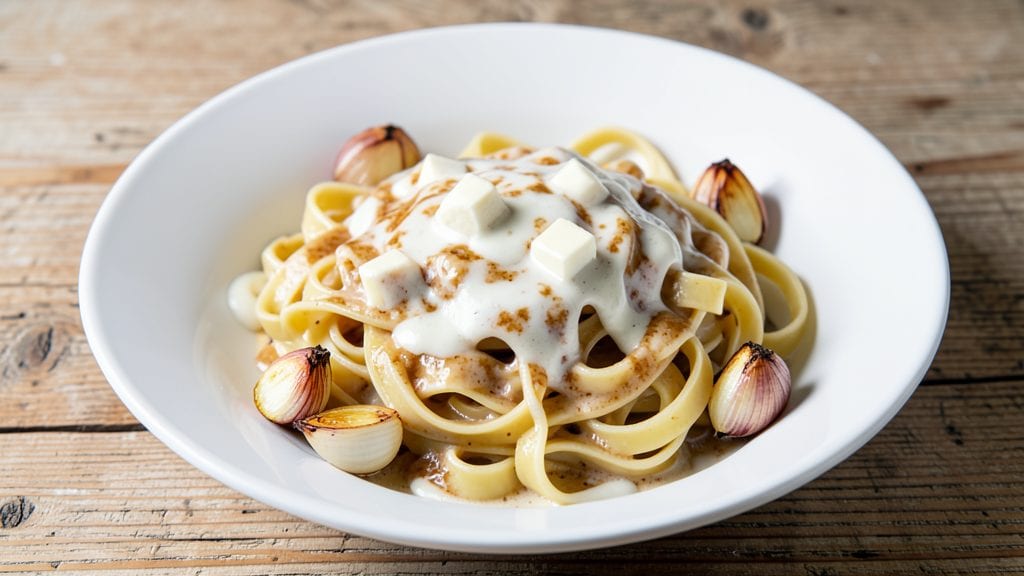
This Philadelphia cream cheese pasta sauce recipe transforms simple ingredients into a velvety, restaurant-quality sauce in just 15 minutes. The secret lies in blending softened cream cheese with warm pasta water, creating a silky texture that clings perfectly to noodles.
I developed this method after years of testing—no lumps, no separation, just smooth, creamy perfection every time.
The beauty of this sauce is its versatility—it elevates any pasta dish while requiring only five ingredients and minimal effort. Whether you're serving it with fettuccine, penne, or even as a dip for breadsticks, the result is consistently rich and satisfying.
The key technique involves tempering the cream cheese with hot pasta water to prevent curdling, ensuring a flawless finish.
What you’ll achieve is a sauce that’s impossibly creamy yet light enough to coat each strand of pasta without weighing it down. The flavor is subtly tangy from the cream cheese, with just enough richness to satisfy even the pickiest eaters.
This sauce also doubles as a perfect base for adding garlic, herbs, or a touch of spice—customizable for any taste preference.
Ready in under 15 minutes, this sauce is ideal for weeknight dinners or last-minute entertaining. Store leftovers in the fridge for up to five days, or freeze for future use. Let’s get cooking—your pasta nights just got an upgrade.
Ingredients for philadelphia cream cheese pasta sauce
Five core ingredients create this ultra-smooth Philadelphia cream cheese pasta sauce.
| Ingredient | Amount | Notes |
|---|---|---|
| Philadelphia Cream Cheese 🧀 | 8 oz | Full-fat for best texture |
| Unsalted Butter 🧈 | 2 tbsp | Cold, cut into small cubes |
| Pasta Water 💧 | 1 ½ cups | Reserved from cooked pasta |
| Heavy Cream 🥛 | ¼ cup | Full-fat for rich consistency |
| Garlic Cloves 🧄 | 2 cloves | Minced, optional for flavor |
| Salt 🧂 | ½ tsp | Adjust to taste, kosher preferred |
| Black Pepper 🌶️ | ¼ tsp | Freshly ground for best flavor |
| Dried Parsley 🌿 | 1 tsp | Optional garnish, finely chopped |
The Philadelphia cream cheese is non-negotiable—this recipe demands the full-fat, block variety for that signature velvety texture. Philadelphia brand is my go-to because it's consistently smooth and tangy without graininess. Store it in the fridge, not the pantry, and use within 3 months for peak quality. The butter should be cold when added to prevent premature melting, so pull it straight from the fridge and cut it into small cubes for even incorporation. Trader Joe's often carries their organic butter at a great price, but any high-quality unsalted butter works—just don't skip the salt later.
No heavy cream? Full-fat Greek yogurt works in a pinch, though the texture will be slightly thicker. Dry milk powder can replace up to half the cream for a lighter version, but the sauce will be less rich. The pasta water is the secret weapon—always reserve 1.5 cups from your cooked noodles, as it's starch-rich and helps emulsify the sauce. Want extra flavor? Roast the garlic cloves first for a deeper taste, or swap in fresh parsley instead of dried. The minced garlic can be prepped ahead and stored in the fridge for 3 days—just remember it loses potency over time.
This sauce is best used immediately, but leftovers keep 5 days in the fridge sealed tightly. For longer storage, freeze in ice cube trays—thaw and reheat gently for the smoothest texture. The sauce thickens as it cools, so add a splash of warm water when reheating if it seems too stiff. Garnish with fresh parsley right before serving to keep it vibrant. Double the batch—it disappears faster than you'd think, especially when paired with buttery noodles.
Why You'll Love This Recipe
- No-Fuss Magic: I swear, this sauce comes together while you’re still debating what to watch on TV. Melt butter, stir in cream cheese, splash in pasta water—boom. The heavy cream and garlic cloves do all the heavy lifting, so you’re not stuck chopping or simmering for hours.
- Creamy Garlic Hug: That first bite? Pure indulgence. The Philadelphia cream cheese melts into a velvety blanket, while the garlic cloves add just enough punch to make it feel fancy—no fancy ingredients required. Honestly, it’s the kind of sauce that makes you want to lick the bowl.
- Weeknight Workhorse: This isn’t just dinner—it’s your new meal-prep sidekick. Toss it with pasta for tonight, or save half for tomorrow’s lunch. It reheats like a dream, and the leftovers? Still taste like you slaved over them. (Between us, I’ve served it cold in salads too.)
- Budget Luxury: You’d pay $20 for this at a restaurant, but here? It’s a grocery list win. Cream cheese and butter stretch far, and the heavy cream adds richness without breaking the bank. Not the prettiest, but the taste makes up for it—every time.
Step-by-step instructions for Philadelphia cream cheese pasta sauce
This velvety sauce comes together in minutes with just a few simple ingredients.
Melt the Butter and Cream Cheese
In a medium saucepan, melt the 2 tablespoons unsalted butter over medium-low heat until it begins to foam. Add the 8 ounces Philadelphia cream cheese, cut into small cubes, and stir constantly with a wooden spoon. The mixture will thicken as it heats, but keep stirring to prevent any lumps from forming.
Continue cooking until the cream cheese is completely melted and the sauce is smooth. This should take about 3-4 minutes. If the sauce starts to separate or looks too thick, reduce the heat slightly and let it cook gently. The goal is a creamy, velvety texture without any graininess—this is where the sauce's rich foundation comes together.
Incorporate the Heavy Cream and Garlic
Once the cream cheese is fully melted, remove the saucepan from heat and stir in the 0.25 cup heavy cream. The cream will help lighten the sauce slightly while adding a luxurious richness. Add the 2 minced garlic cloves and the 0.5 teaspoon salt, stirring well to combine. Taste the mixture and adjust the seasoning if needed—this is your chance to balance the flavors before the final step.
Return the saucepan to low heat and let the sauce simmer gently for 1-2 minutes. This step ensures the garlic is fully incorporated and the sauce is heated through without curdling. The sauce should now be silky and smooth, with a subtle garlic aroma that enhances the creaminess.
Finish with Pasta Water and Seasonings
Gradually whisk in the 1.5 cups pasta water, 1 tablespoon at a time, until the sauce reaches your desired consistency. You want it to coat the back of a spoon but still be pourable enough to cling to pasta. If it thickens too much as it cools, you can always add a splash more later. Stir in the 0.25 teaspoon black pepper and 1 teaspoon dried parsley, reserving a small pinch of parsley for garnish.
The sauce is now ready to toss with freshly cooked pasta. The key here is timing—serve it immediately while the pasta is hot and the sauce is still velvety. If the sauce starts to separate or thicken too much after sitting, simply whisk in a little more pasta water or heavy cream to restore its smooth texture.
Combine with Pasta and Serve
Drain your cooked pasta, reserving 0.5 cup pasta water in case you need to adjust the sauce consistency later. Add the pasta to a large bowl and pour the warm sauce over it, tossing gently to coat each strand evenly. If the sauce seems too thick, add a splash of the reserved pasta water and toss again until everything is perfectly coated.
Let the pasta sit for 1-2 minutes off the heat to allow the sauce to fully adhere. Garnish with the reserved parsley and serve immediately. The result should be a creamy, indulgent sauce that clings beautifully to every bite of pasta, with a perfect balance of richness and subtle garlic flavor.
Pro Tips For Making Philadelphia Cream Cheese Pasta Sauce
- Sauté Garlic Slowly: I learned this the hard way—burnt garlic ruins everything. Cook the minced cloves in butter over medium-low heat for 2-3 minutes until fragrant but just golden. No need to rush; this keeps the sauce from tasting bitter.
- Cut Cream Cheese Cold: Skip the soft block straight from the fridge—it’ll clump like glue. Cut the Philadelphia cream cheese into small cubes and let them sit at room temp for 10 minutes first. This ensures a silky sauce, not a lumpy mess.
- Reserve That Starchy Water: The pasta water isn’t just for draining—it’s the glue holding your sauce together. Reserve ½ cup before discarding, then whisk it into the cream cheese mixture in small batches. Too much at once? You’ll break the sauce.
- Warm Cream First: Cold heavy cream turns the sauce into a sad, separated puddle. Heat the cream in a separate saucepan until it’s just warm to the touch (not boiling), then stir it into the cream cheese mixture. The sauce will come together instantly—no guesswork.
Regional styles of this dish
Italian-Inspired Twist
Inspired by Italian pasta traditions, this sauce gets a regional upgrade by adding 1 tablespoon tomato paste and ½ teaspoon dried oregano to the base. Cook the tomato paste with the butter until fragrant before adding the cream cheese.
The oregano adds an earthy depth that pairs beautifully with fettuccine or tagliatelle. For extra authenticity, finish with grated Parmigiano-Reggiano and a pinch of red pepper flakes. 🇮🇹
New York Deli Style
Transform this sauce into a New York classic by folding in 2 tablespoons sour cream and 1 tablespoon chopped chives at the end. Add a dash of Worcestershire sauce (about ½ teaspoon) for umami depth.
This version shines with egg noodles or wide ribbon pasta like pappardelle. Serve with a side of crispy bacon or a dollop of extra sour cream on top for a deli-style experience.
Cajun Bayou Fusion
For a bold Southern twist, stir in ½ teaspoon Cajun seasoning (like Tony Chachere's) and ¼ teaspoon smoked paprika with the garlic. Add 1 tablespoon hot sauce (like Crystal or Tabasco) to taste.
This spicy version pairs perfectly with spaghetti or penne and complements grilled shrimp or andouille sausage. Garnish with chopped green onions for freshness. 🌶️
Mediterranean Herb Version
Brighten the sauce with 1 teaspoon dried basil, ½ teaspoon dried thyme, and 1 tablespoon lemon zest (from about ½ lemon). Use whole wheat pasta for a lighter take, and finish with crumbled feta cheese and a drizzle of extra virgin olive oil.
This version works beautifully with orzo or farfalle, offering a refreshing contrast to the creamy base.
Cheesy Potato Twist
For a comforting side dish or dip, blend in ½ cup mashed potatoes (cooled) and ¼ cup shredded cheddar cheese at the end.
This version becomes a creamy potato pasta sauce that pairs perfectly with roasted potatoes, baked mac and cheese, or even as a dip for crudités. The texture remains smooth while gaining a hearty, cheesy depth that's perfect for cold weather meals.
Nutrition facts
Frequently asked questions
Why does this sauce use pasta water instead of regular water?
The starchy pasta water acts as a natural emulsifier, helping the cream cheese blend smoothly without lumps. It also adds a subtle richness that plain water can't match. Always reserve at least 1.5 cups when cooking your noodles—this golden liquid is the secret to velvety texture!
Can I make this sauce ahead of time?
Yes! Store the finished sauce in an airtight container in the fridge for up to 5 days. For longer storage, freeze it in ice cube trays—thaw and reheat gently with a splash of warm water to restore creaminess. The sauce thickens as it cools, so adjust consistency when reheating.
What's the best pasta shape for this sauce?
Any shape works, but fettuccine, pappardelle, or penne are ideal—their ridges catch the sauce beautifully. For extra indulgence, try cavatappi or farfalle. The sauce clings perfectly to all types, but wider noodles show off its creamy texture best.
What if my sauce gets too thick after sitting?
Simply whisk in 1-2 tablespoons warm water or pasta water to loosen it up. The sauce naturally thickens as it cools, so this is normal! For a richer fix, add a splash of heavy cream instead. Always reheat gently on low heat to prevent curdling.
Can I use this sauce for other dishes besides pasta?
Try it as a dip for breadsticks, a creamy sauce for baked potatoes, or even a topping for grilled chicken. The versatility comes from its smooth texture—just adjust thickness with water or cream as needed. It's also perfect for stuffing peppers or mushrooms!