
Desserts
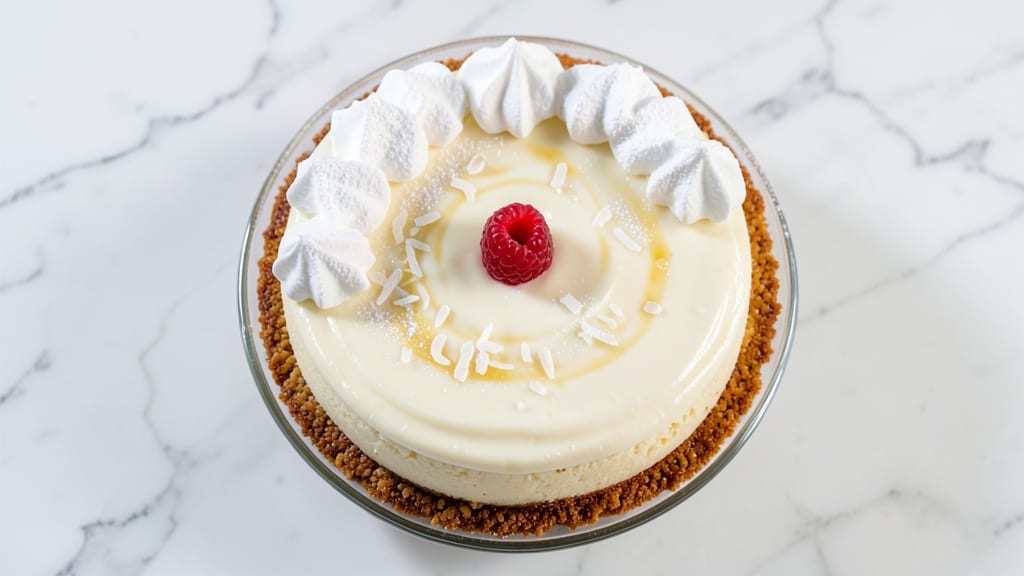
This Philadelphia cream cheese cheesecake recipe delivers the creamiest, crack-free texture you’ve been searching for—no jiggling, no cracks, just velvety perfection every time. The secret lies in precise mixing techniques and a water bath that ensures smoothness from the center out.
After years of testing variations, this method guarantees a cheesecake so rich and tender it’ll fool even the most skeptical dessert lovers.
The foundation starts with full-fat cream cheese at room temperature, blended until completely smooth before incorporating eggs one at a time. A no-bake crust made from graham crackers and melted butter provides sturdy support, while the water bath prevents cracks during baking.
The result? A cheesecake with a silky, ultra-smooth filling that holds its shape beautifully when chilled for at least 4 hours.
What sets this recipe apart is the foolproof cooling process—gradual chilling in the oven with the door propped open, then refrigeration for optimal texture. Top with fresh berries, whipped cream, or a drizzle of caramel for added elegance, but the cheesecake itself is already restaurant-quality.
This is the kind of dessert that earns rave reviews without requiring advanced skills.
Perfect for special occasions or spontaneous cravings, this cheesecake serves 12 and requires just 10 minutes of prep before baking. Whether you’re a baking novice or a seasoned chef, the clear instructions and precise measurements ensure success on the first try. Let’s get started on creating your dream cheesecake.
Ingredients for philadelphia cream cream cheese cheesecake
Twelve essential ingredients for a cheesecake so velvety it defies expectations—no cracks, no jiggle, just pure decadence.
| Ingredient | Amount | Notes |
|---|---|---|
| Full-Fat Cream Cheese 🧀 | 32 oz | Philadelphia brand preferred, room temperature |
| Granulated White Sugar 🍚 | 2 cups | Superfine preferred for smoother texture |
| Large Eggs 🥚 | 4 whole | Room temperature, separated |
| Sour Cream 🥛 | 1 cup | Full-fat for optimal creaminess |
| Vanilla Extract 🌿 | 2 tsp | Pure Madagascar bourbon preferred |
| Graham Cracker Crumbs 🍪 | 2 ½ cups | Finely crushed, no large pieces |
| Unsalted Butter 🧈 | ½ cup | Melted, cooled slightly |
| Light Corn Syrup 🍯 | ½ cup | For crack prevention |
| Diamond Crystal Kosher Salt 🧂 | ½ tsp | Fine grain preferred |
| All-Purpose Flour 🌾 | 1 tbsp | Optional for crust stability |
| Heavy Cream 🥛 | ½ cup | Optional for extra richness |
The Philadelphia full-fat cream cheese is non-negotiable here—its high fat content creates that signature silky texture. Purchase a 32-ounce block from reputable grocers like Whole Foods or Kroger, as store-brand versions often lack the necessary richness. Room temperature is critical; let it sit for 2-3 hours before blending. For the crust, Honey Maid graham crackers yield the best texture when finely crushed—pulse them in a food processor for uniformity. Butter should be melted but not hot; if it's too warm, it can cook the crust before baking begins.
No superfine sugar? Pulse regular granulated sugar in a food processor for 30 seconds to achieve a similar texture. Eggs must be room temperature—cold yolks can cause curdling when blended. For the vanilla, Madagascar bourbon extract adds depth, but pure vanilla extract works in a pinch. The corn syrup acts as a stabilizer; if unavailable, light corn syrup substitute or even maple syrup can work, though texture may vary slightly. For a richer filling, the heavy cream adds luxurious mouthfeel without altering the classic flavor profile.
Store the assembled cheesecake in an airtight container for up to 5 days in the refrigerator. For longer storage, wrap tightly in plastic wrap and freeze for up to 3 months. Thaw overnight in the fridge before serving. The crust components can be prepped 24 hours ahead and stored in the fridge, while the filling mixture stays stable at room temperature for up to 4 hours before baking. Always use a water bath during baking—this isn't optional for crack prevention, and the gradual cooling process in the oven afterward is what yields that restaurant-quality texture.
Why You'll Love This Recipe
- No Mixer Needed: I swear by this—just beat the cream cheese and sugar until smooth, then fold in eggs one at a time. No blender, no food processor, just elbow grease and patience. (Yes, even my kids can help with the stirring.)
- Rich Without Guilt: That full-fat cream cheese and sour cream combo makes it unfairly creamy, but the eggs keep it light enough to eat for breakfast or dessert. Honestly, the first bite tastes like a hug from a bakery—without the $12 price tag.
- Make-Ahead Magic: Bake it, cool it, then wrap it in plastic. This cheesecake keeps for five days in the fridge, and it actually tastes better the second day. (Between us, I’ve been known to “forget” to take it out for leftovers.)
- Budget-Friendly Luxury: Four ingredients—cream cheese, sugar, eggs, and sour cream—cover the whole recipe. No fancy stabilizers, no specialty crusts, just pure, creamy satisfaction that’ll fool anyone into thinking you slaved over it. (Spoiler: You didn’t.)
Step-by-step instructions for Philadelphia cream cheese cheesecake
Here's the method for a velvety-smooth cheesecake with a foolproof crust and no cracks.
Prepare the Graham Cracker Crust
Preheat your oven to 350°F. In a medium bowl, combine the 2.5 cups graham cracker crumbs, 0.5 cup melted unsalted butter, and 0.5 cup light corn syrup. Mix thoroughly until the crumbs are evenly moistened and the mixture resembles wet sand.
Press the mixture firmly into the bottom of a 9-inch springform pan, creating an even layer. Use the bottom of a measuring cup to compact it tightly. Bake for 10 minutes until the edges are lightly golden. Remove from oven and let cool for 15 minutes—this prevents sogginess when adding the filling.
Beat Cream Cheese and Sugar Until Ultra-Smooth
Reduce oven temperature to 325°F. In a stand mixer fitted with the paddle attachment, beat the 32 oz full-fat cream cheese on medium speed until completely smooth, about 3-4 minutes. Gradually add the 2 cups granulated white sugar while continuing to mix on medium-high speed for 5-6 minutes until the mixture is pale yellow and completely homogeneous.
This step is critical—any lumps will translate to texture issues in your cheesecake. I like to scrape down the sides of the bowl every 2 minutes to ensure even mixing. The mixture should be thick but still pourable at this stage.
Incorporate Eggs and Sour Cream in Stages
Add the 4 whole large eggs, one at a time, mixing just until each is fully incorporated after each addition. Then add the 1 cup sour cream and mix on low speed for 1 minute to combine gently. Finally, add the 2 tsp vanilla extract and 0.5 tsp diamond crystal kosher salt, mixing just until fully distributed.
This gradual incorporation prevents the eggs from curdling. After adding the final egg, do a quick visual check—the batter should be thick but still able to coat the paddle. If it's too thick, add 1 tablespoon all-purpose flour to improve structure.
Add Heavy Cream and Pour into Crust
Stir in the 0.5 cup heavy cream (if using) with a spatula, folding gently to maintain air incorporation. Pour the batter over the cooled crust, spreading evenly with a spatula. Tap the pan gently on the counter 3-4 times to remove any air bubbles that may have formed during pouring.
The filling should reach just below the top edge of the crust. This prevents overflow during baking and ensures even cooking. For extra insurance against cracks, I recommend placing the pan on a baking sheet before inserting into the oven.
Bake with Precision for Perfect Texture
Bake for 50-55 minutes until the edges are set but the center still has a slight wobble when gently shaken. The internal temperature should read 150-155°F when checked with an instant-read thermometer. Immediately after removing from the oven, turn off the heat and prop the oven door open 2 inches.
Leave the cheesecake in the oven for 1 hour to cool gradually. This slow cooling prevents sudden temperature shifts that cause cracking. Once cooled, refrigerate uncovered for 4 hours or overnight. The texture will improve as it chills, resulting in that signature silky consistency.
Pro Tips For Making Philadelphia Cream Cream Cheese Cheesecake
- Soften Cream Cheese First: Take your full-fat cream cheese blocks out of the fridge 24 hours before baking—no, I’m not joking. You’ll mix it with sugar and eggs like a dream instead of fighting lumps like you’re defusing a bomb. Trust me, your mixer’s motor will thank you.
- Whisk Eggs Separately: Beat the eggs alone with sugar first until pale and thick—about 3 minutes. Then fold in the cream cheese mixture. I learned this the hard way when my cheesecake turned dense and rubbery. This step actually changes the texture.
- Skip the Water Bath: If your oven runs hot, bake this cheesecake uncovered on the middle rack. The sour cream in the batter keeps it moist enough without the water bath. (Yes, even if your recipe insists—your future self will thank you for skipping the extra cleanup.)
- Add Vanilla Last: Stir in the vanilla extract after folding in the sour cream, not before. The sour cream’s tang mellows out when heated, and adding vanilla last keeps its flavor bright. Sounds weird, but it works: the aroma hits harder.
Dietary considerations for this philadelphia cream cream cheese cheesecake
Gluten-Free Adaptation
Replace the graham cracker crust with a gluten-free graham cracker alternative like Schär or Annie's Organic—both brands offer certified gluten-free options. For a nut-based crust, blend 1 cup almond flour, ½ cup melted coconut oil, and 2 tbsp maple syrup until sticky, then press into the pan.
The filling remains unchanged since it’s naturally gluten-free, but always check your cream cheese label for cross-contamination warnings. 🌾
Low-Sugar Options
Reduce the sugar by ½ cup (to 1.5 cups) and replace it with ½ cup sugar-free sweetener like Swerve or monk fruit blend. The texture may be slightly denser, so add 1 extra egg white to maintain structure.
For a subtle caramel note, use 1 tbsp molasses instead of some sugar. Always taste after mixing—sweeteners vary in intensity.
Vegan Cheesecake
Substitute the cream cheese with 32 oz vegan cream cheese (like Kite Hill or Miyoko's), and replace eggs with 4 flax eggs (4 tbsp ground flaxseed + 10 tbsp water, mixed and rested for 5 minutes).
Use coconut sour cream for the tang, and ensure your crust is vegan (e.g., almond flour + coconut oil). The texture will be lighter but still rich—chill for 6 hours for optimal firmness. 🌱
Dairy-Free Modifications
For a dairy-free version, swap the cream cheese for cashew cream cheese (blend 2 cups soaked cashews with ½ cup lemon juice and 1 tbsp nutritional yeast). Use coconut milk instead of heavy cream, and ensure your crust contains no butter (try oat flour + coconut oil).
The result is a tangy, creamy texture with a slightly nutty undertone that pairs well with berry toppings.
Keto-Friendly Version
Cut the sugar to ¼ cup and add 2 tbsp erythritol for sweetness. Replace graham crackers with a crust of 1 cup crushed pecans mixed with 2 tbsp melted butter and 1 tbsp cinnamon.
The filling stays the same otherwise, but the crust gains a delightful crunch. For extra richness, fold in 2 tbsp whipped coconut cream before baking. This version keeps carbs under 5g per slice.
Nut-Free Allergy Safe
For nut-free adaptations, use a crust made from 2 cups gluten-free oat flour (certified nut-free) mixed with ½ cup melted butter and 2 tbsp honey. For the filling, ensure all cream cheese brands are nut-free (check labels for facility warnings).
The texture remains smooth, but the crust gains a subtle oatmeal sweetness that complements the cheesecake beautifully. Always verify all ingredients for cross-contamination risks. 🚫
Nutrition facts
Frequently asked questions
Why does this recipe use Philadelphia brand cream cheese specifically?
This recipe calls for Philadelphia brand because its high fat content (34%) creates the signature ultra-smooth, velvety texture that store brands often can't match. The consistent quality ensures no lumps during mixing and a perfectly creamy final product. For best results, always use full-fat cream cheese at room temperature—never low-fat or whipped varieties.
What's the secret to preventing cracks in the cheesecake?
The three key steps are:
- Baking at 325°F (not higher),
- Using a water bath (pan in a larger baking dish with hot water), and
- Cooling gradually by leaving the cheesecake in the turned-off oven with the door propped open for 1 hour after baking. The corn syrup in the crust also helps stabilize the structure.
Can I make this cheesecake ahead of time?
Yes! The assembled cheesecake keeps well in an airtight container in the fridge for 5 days, and freezes beautifully for up to 3 months. For best texture, thaw overnight in the fridge before serving. The crust can be prepped 24 hours ahead, while the filling mixture stays stable at room temperature for 4 hours before baking.
What's the best way to serve this cheesecake?
This creamy cheesecake pairs perfectly with fresh berries, a drizzle of caramel sauce, or a dollop of whipped cream. For a classic touch, dust with powdered sugar or add a graham cracker crumble on top. Serve chilled—it's best enjoyed straight from the fridge after 4+ hours of chilling.
What if my cheesecake doesn't set properly?
Underbaking is usually the culprit—check your oven temperature with an oven thermometer (many run hot). If the center is still too soft after 55 minutes, bake for 5-10 more minutes until it has a slight wobble. For extra insurance, chill the cheesecake 6 hours instead of 4. If it still doesn't set, try adding 1 extra egg white to the filling next time for better structure.