
Breakfast & Brunch
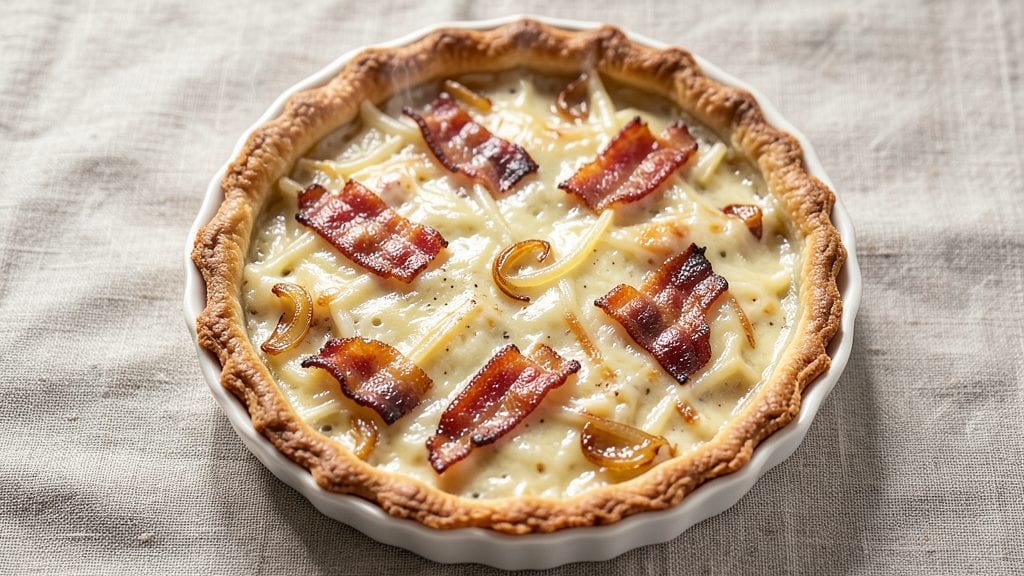
A Gruyère quiche recipe with nutty, melty cheese and a perfectly flaky crust is the kind of breakfast that transforms ordinary mornings. The secret lies in balancing Gruyère's rich, caramelized flavor with a buttery crust that shatters just enough to let the filling shine.
I've tested countless variations, and this method delivers restaurant-quality results without requiring advanced baking skills.
What makes this quiche special is the combination of a foolproof crust—whether store-bought or homemade—and a custardy filling that's rich but not heavy.
Gruyère's natural nuttiness pairs beautifully with classic add-ins like bacon, spinach, or mushrooms, while the egg and cream mixture creates a velvety texture that's impossible to resist. The key is baking it just until the center is set but still slightly jiggly—this ensures maximum creaminess.
By the time it emerges from the oven, you'll have a quiche with a golden, flaky crust that contrasts perfectly with the creamy, cheesy filling. The Gruyère melts into luscious strands, while the egg custard holds its shape just enough to slice cleanly.
This is the kind of dish that tastes even better the next day, making it perfect for meal prep or hosting brunch.
Whether you're serving it with a fresh salad or a simple side of roasted vegetables, this quiche delivers restaurant-quality flavor with minimal effort. Let's get started on creating your perfect breakfast masterpiece.
Ingredients for quiche recipe with gruyere cheese
Six ingredients transform into a restaurant-worthy quiche with Gruyère's nutty richness and buttery crust perfection.
| Ingredient | Amount | Notes |
|---|---|---|
| Gruyère Cheese 🧀 | 1 ½ cups | Freshly grated, aged 12+ months preferred |
| Large Eggs 🥚 | 6 whole | Room temperature for even baking |
| Heavy Cream 🥛 | 1 cup | Full-fat for richest texture |
| Unsalted Butter 🧈 | ½ cup | Cold, cubed for crust |
| All-Purpose Flour 🌾 | 1 ½ cups | Sifted for light crust |
| Ice Water 💧 | ½ cup | Chilled for dough handling |
| Diamond Crystal Kosher Salt 🧂 | 1 ½ tsp | Fine grain for even seasoning |
| Black Pepper 🌶️ | ½ tsp | Freshly cracked for heat |
| Fresh Nutmeg 🌿 | ¼ tsp | Finely grated, aromatic |
| Bacon 🥓 | 6 oz | Cooked crisp, chopped small |
| Baby Spinach 🌱 | 2 cups | Wilted, drained well |
| Extra-Virgin Olive Oil 🫒 | ¼ cup | For brushing crust |
Gruyère is non-negotiable here—look for aged wheels at specialty cheese shops or pre-grated from the deli counter. The 12+ month aged variety has deeper flavor, but even 6-month Gruyère works in a pinch. For the crust, store-bought pie crusts (like Pepperidge Farm) save time, but homemade shatters better. The secret? Keep everything cold until baking. I always preheat my oven to 375°F—hot enough for crisp edges but gentle enough to melt the cheese properly.
No bacon? Crispy cooked ham or smoked salmon adds protein without overpowering. Swap spinach for sautéed mushrooms or caramelized onions—just make sure to drain excess moisture. The nutmeg is key—pre-grated from a fresh nutmeg has more aroma than jarred. For extra richness, stir 2 tbsp sour cream into the egg mixture. And if you're short on time, pre-cooked bacon bits work (though fresh is better).
Assemble the quiche just before baking—the filling sets faster when hot. Store leftovers in an airtight container for 4 days in the fridge, or freeze portions for 3 months. Reheat gently at 300°F to avoid drying out the crust. I always slice mine before serving—the cheese pulls into perfect strands when cut fresh from the oven.
Why You'll Love This Recipe
- Foolproof Crust: I’ve made quiche a dozen times, and this one actually forgives my butter fingers. Just melt butter, mix in flour, press it in—no rolling, no fuss. The Gruyère’s rich meltiness smooths over any uneven edges, so even if your hands aren’t perfectly steady, it’ll still hold together like a dream.
- Nutty Creamy Magic: That first bite? Pure indulgence. The Gruyère’s caramelized crust meets the custard’s velvety richness, and the heavy cream gives it this almost dessert-like texture. Honestly, I’ve caught myself sneaking slices when no one’s looking—it’s that good.
- Weeknight to Weekend: Make it for breakfast when you’re running late, or serve it at brunch with friends. The leftovers? Still delicious reheated the next day (just a quick zap in the microwave). And between us, it’s the only quiche that feels special enough for company but simple enough to throw together on a Tuesday.
- Budget-Friendly Luxury: You’d think Gruyère would break the bank, but a block lasts forever when you’re grating it thin. Eggs and heavy cream stretch further than you’d expect, and the crust uses basic pantry staples. It’s the kind of dish that makes you feel like you’re eating fancy without the fancy price tag.
Step-by-step instructions for quiche recipe with Gruyère cheese
Here's how to create a quiche with a golden crust and nutty Gruyère melts that'll impress everyone.
Prepare the Perfect Flaky Crust
In a large bowl, combine the 0.5 cup unsalted butter (cold and cubed) with the 1.5 cups all-purpose flour and 1.5 tsp diamond crystal kosher salt. Use a pastry cutter or your fingers to work the butter into the flour until the mixture resembles coarse crumbs with pea-sized butter pieces.
Add the 0.5 cup ice water gradually, sprinkling it over the mixture while gently stirring with a fork just until the dough comes together. Avoid overmixing—this develops gluten and makes the crust tough. Shape the dough into a disk, wrap it in plastic, and refrigerate for at least 1 hour. This chilling step is crucial for achieving that signature flaky texture.
Preheat your oven to 375°F. On a lightly floured surface, roll out the chilled dough to fit a 9-inch pie dish, about 1/8-inch thick. Transfer the rolled dough to the dish, gently pressing it into the bottom and up the sides. Trim any excess dough, leaving a 1/2-inch overhang. Prick the bottom all over with a fork to prevent air pockets from forming during baking.
Blind-Bake the Crust for Structure
Line the crust with parchment paper, then fill it completely with pie weights or dried beans. Bake for 15 minutes until the edges are lightly golden. Remove the weights and bake for another 5 minutes until the crust is set and just beginning to turn golden. This step ensures your crust holds its shape under the weight of the filling.
I know it might seem like a lot of effort, but skipping this step often leads to a soggy bottom—trust me, it's worth it. While the crust bakes, cook the 6 oz bacon in a skillet over medium heat until crisp. Drain on paper towels, then chop finely and set aside. You'll want it warm when you add it to the filling later.
Prepare the Gruyère Spinach Filling
In a large bowl, whisk together the 6 whole large eggs, 1 cup heavy cream, 0.5 tsp black pepper, and 0.25 tsp fresh nutmeg until well combined. This is your custard base—make sure it's smooth with no streaks of egg white.
In a separate bowl, combine the 2 cups baby spinach and the chopped bacon. Gently mix until the spinach is evenly distributed with the bacon. The spinach should be wilted but still vibrant green—if it's not, microwave it for 30 seconds to wilt before mixing.
Remove the baked crust from the oven and reduce the oven temperature to 350°F. Sprinkle 1 cup of the gruyère cheese evenly over the bottom of the crust. This layer ensures the bottom of your quiche gets that perfect melty texture. Then add the spinach-bacon mixture, spreading it evenly.
Assemble and Bake to Golden Perfection
Pour the egg mixture evenly over the spinach-bacon layer. Sprinkle the remaining 0.5 cup gruyère cheese evenly over the top. The cheese should melt beautifully during baking, creating that signature nutty, gooey texture.
Bake for 35-40 minutes until the center is just set and the top is golden brown. You'll know it's done when the custard is still slightly jiggly in the center—it'll continue cooking as it cools. If the edges brown too quickly, cover them loosely with aluminum foil.
Let the quiche cool for 10 minutes before slicing. This resting period allows the filling to set properly and prevents it from running when you cut into it. Serve warm with a simple arugula salad or crusty bread to soak up every last bit of that creamy goodness.
Optional Olive Oil Brush for Extra Crispiness
For that restaurant-quality finish, brush the crust edges with the 0.25 cup extra-virgin olive oil right before serving. The oil enhances the crust's flavor and adds a subtle shimmer that makes your quiche look even more impressive. This step is purely decorative but adds that final touch of professional flair.
Slice into wedges and enjoy immediately. The combination of flaky crust, nutty Gruyère, crispy bacon, and tender spinach makes this quiche a showstopper for brunch or dinner. Store leftovers in the refrigerator for up to 3 days, but I promise you won't have any leftovers!
Pro Tips For Making Quiche Recipe With Gruyere Cheese
- Preheat the Dish: DESCRIPTION: Pop your quiche dish (ceramic, metal, or glass) into a 375°F (190°C) oven for 10 minutes before adding the crust. I learned this the hard way—cold dishes steal heat from the oven, leaving your filling undercooked while the crust burns. This guarantees a set crust and creamy custard from the get-go.
- Grate Gruyère Fresh: DESCRIPTION: Buy a block of Gruyère and grate it yourself—pre-shredded cheese packs with anti-caking agents that make it clump and lose flavor. Use a box grater for even shreds, and mix it into the filling last so it melts into gooey pockets instead of sinking to the bottom. (Yes, even if you’re impatient like me.)
- Whisk Eggs Like Mad: DESCRIPTION: Beat the eggs and heavy cream until the mixture is uniform and ribbons fall slowly when you lift the whisk. Overlooking this step means a lumpy quiche—no one wants to chew their way through curds. A quick 30-second blast with an immersion blender does the trick if you’re not into arm workouts.
- Blind-Bake the Crust: DESCRIPTION: Skip the raw crust shortcut—press parchment paper over the unbaked crust, fill it with pie weights (or dried beans), and bake for 10 minutes at 375°F (190°C). This prevents soggy bottoms when the custard sets. Remove the weights, bake 2 more minutes, then add your filling. Trust me, your crust will thank you.
Pro cooking tips for this dish
Crust Mastery
The secret to a perfect quiche crust lies in cold butter and minimal handling. I always keep my butter cubes frozen until just before mixing with the flour—this prevents them from melting too quickly.
Work the butter into the flour using a pastry cutter or your fingers until you see pea-sized butter pieces remaining. Overworking the dough develops gluten, which makes the crust tough. 🧈
For the blind-baking step, I swear by dried beans instead of pie weights—they're cheaper and just as effective. Spread them evenly across the crust to ensure even cooking.
If you don't have beans, crumpled aluminum foil works too. The key is to remove them immediately after the initial 15 minutes to prevent sogginess.
Cheese Handling
Gruyère is not the same as cheddar—it's more delicate and melts differently. I always grate my own cheese using a box grater (not pre-shredded) to avoid the anti-caking agents that make pre-shredded cheese behave differently.
For extra flavor, I mix ½ cup of the grated Gruyère into the egg mixture before pouring it into the crust. This creates a marbled effect that's impossible to resist. 🧀
When sprinkling the remaining cheese on top, do it evenly—don't pack it down. The cheese should melt into luscious strands when baked, not clump together. For a restaurant-style finish, dust the top with freshly cracked black pepper right before serving—it adds a nice contrast to the creamy filling.
Egg Mixture Secrets
The egg mixture is where the magic happens. I always whisk the eggs and cream together until the mixture is completely smooth—no streaks of egg white should remain.
This ensures an even texture throughout. For extra richness, I stir in 2 tablespoons of sour cream or 1 tablespoon of crème fraîche to prevent cracking during baking. 🥚
Temperature matters here too. I pull the eggs straight from the fridge and let them sit at room temperature for 10 minutes before whisking. Room-temperature eggs blend more smoothly with the cream, preventing lumps.
If you're short on time, just whisk them vigorously—modern mixers handle cold eggs just fine, but the texture won't be quite as silky.
Baking Precision
Baking quiche is all about temperature control. I start at 375°F for the crust, then reduce to 350°F for the filling. This two-stage approach prevents the crust from burning while the filling sets.
The quiche is done when the center is just set but still slightly jiggly—it'll continue cooking as it cools. 🌡️
For that perfect golden edge, I brush the crust with extra-virgin olive oil right before serving. This adds a subtle richness and makes the crust look restaurant-quality. If your quiche browns too quickly, tent it loosely with aluminum foil during the last 10 minutes of baking.
The goal is a golden crust with a creamy, set filling—not dry or rubbery.
Nutrition facts
Frequently asked questions
Can I use a store-bought crust instead of making one from scratch?
A high-quality store-bought crust (like Pepperidge Farm) works perfectly and saves time. Just make sure it's fully chilled before assembling. For extra flakiness, blind-bake it for 10-12 minutes with pie weights before adding the filling. This prevents a soggy bottom while keeping the crust tender.
What's the best way to prevent a watery quiche filling?
Drain all moisture from your add-ins—like spinach or mushrooms—before mixing them into the egg custard. Also, whisk the eggs and cream until completely smooth to avoid lumps that can create steam pockets. For extra insurance, pre-cook any meat (like bacon) until fully crispy and drain well.
How do I know when the quiche is fully cooked?
The center should be just set but still slightly jiggly when you gently shake the pan. It'll continue cooking as it cools. Insert a knife near the center—it should come out clean but slightly moist, not wet. Overbaking makes the filling dry and rubbery, so resist the urge to bake it longer than 40 minutes.
Can I make this quiche ahead of time?
Yes! Assemble the quiche (without baking) up to 24 hours ahead and refrigerate. Bake straight from the fridge, adding 5-10 minutes to the baking time. For leftovers, store in an airtight container for 4 days or freeze portions for 3 months. Reheat gently at 300°F to maintain moisture.
What can I substitute if I don't have Gruyère?
Combine 1 cup sharp cheddar with ½ cup Emmental for a similar nutty flavor. Avoid pre-shredded cheese—it contains anti-caking agents that make the filling grainy. If you must use pre-shredded, pulse it in a food processor to break up the clumps. For a vegetarian option, try Comté or Swiss cheese.