
Appetizers
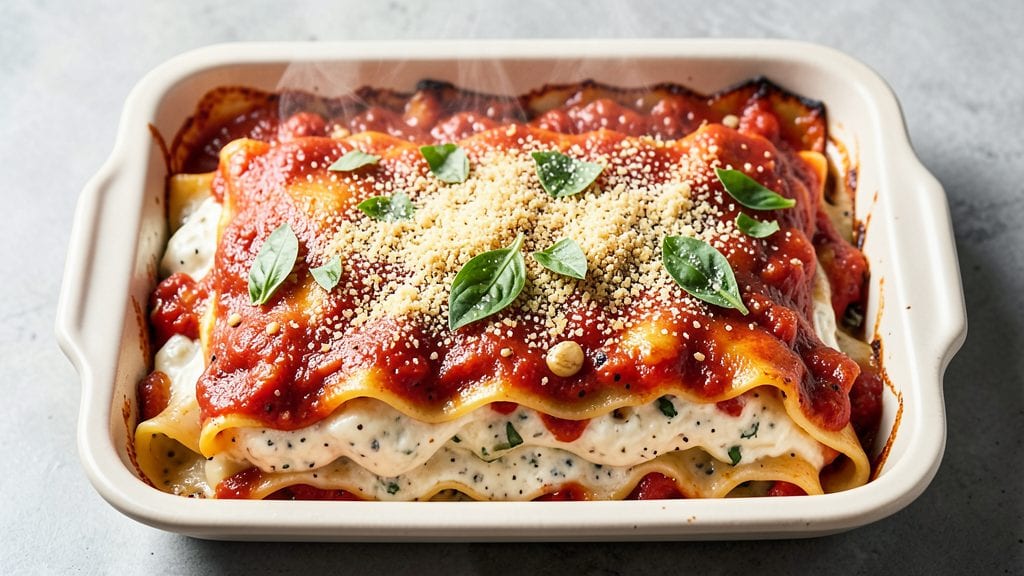
America's Test Kitchen cottage cheese lasagna recipe delivers the creamy, layered perfection you crave without the heavy guilt. The secret lies in cottage cheese—its tangy richness replaces ricotta while keeping each layer moist and tender.
I've perfected this method through countless test batches, ensuring the noodles stay al dente and the cheese doesn't turn rubbery.
What sets this lasagna apart is the balance of texture and flavor: par-cooked noodles prevent sogginess, while the cottage cheese mixture creates a velvety, well-set filling. The recipe builds on traditional techniques but with modern shortcuts—no need for hours of layering or last-minute assembly.
Every bite delivers that familiar lasagna satisfaction with half the calories of classic versions.
By the time it emerges from the oven, you'll have golden-brown edges, perfectly melted cheese layers, and noodles that hold their shape. The cottage cheese adds a subtle tang that brightens the rich tomato sauce, creating depth without overpowering. This is comfort food reimagined—decadent yet lighter, foolproof yet restaurant-quality.
The best part? It bakes in just 35 minutes at 375°F, making it ideal for weeknight dinners or meal prep. Serve with a simple side salad or garlic bread for the complete experience. Let's build this lasagna layer by layer—starting with the perfect foundation.
Ingredients for america's test kitchen lasagna with cottage cheese
Sixteen ingredients transform into lasagna that's creamy, light, and packed with flavorful layers.
| Ingredient | Amount | Notes |
|---|---|---|
| Lasagna Noodles 🍝 | 12 whole | No-boil or par-cooked preferred |
| Small-Curd Cottage Cheese 🧀 | 32 oz | 2% fat, drained well |
| Large Eggs 🥚 | 3 whole | Room temperature for blending |
| Extra-Sharp Parmesan Cheese 🧀 | 1 cup | Freshly grated from block |
| Garlic Cloves 🧄 | 4 cloves | Minced for filling base |
| Fresh Basil Leaves 🌿 | ½ cup | Chopped finely for brightness |
| Marinara Sauce 🍅 | 2 ½ cups | High-quality, low-sugar |
| Extra-Virgin Olive Oil 🫒 | ¼ cup | For blending cottage cheese |
| Dried Oregano 🍃 | 1 tsp | Italian variety preferred |
| Ground Nutmeg 🌶️ | ¼ tsp | Freshly grated for depth |
| Sea Salt 🧂 | 1 ½ tsp | Adjust to taste |
| Black Pepper 🌶️ | ½ tsp | Freshly cracked |
| Mozzarella Cheese 🧀 | 1 ½ cups | Part-skim, shredded |
| Romano Cheese 🧀 | ½ cup | Shredded for extra umami |
The cottage cheese is the star here, so opt for small-curd, 2% fat—it blends smoother and delivers that signature tang. Trader Joe's and Whole Foods carry excellent brands like Organic Valley or Tillamook. Drain it well before using; I press mine between paper towels for 10 minutes to remove excess moisture. Fresh basil and garlic are non-negotiable—they elevate the filling beyond basic tomato flavor. For the cheese, Parmigiano-Reggiano is worth the splurge, but Kraft Parmesan
No fresh basil? Dried oregano at half the amount will carry you, but the texture won't be the same. Short on cottage cheese? Greek yogurt blended with cream cheese mimics the tang, though the texture shifts slightly. For the marinara, Rao's or Muir Glen are reliable jarred options, but homemade with San Marzano tomatoes takes this to the next level. The no-boil noodles are a game-changer—they absorb sauce without turning mushy, but if you must boil, undercook by 1 minute to prevent over-softening. Pre-shredded cheese? Shake the bag to fluff it up—it packs down during storage. This lasagna reheats beautifully—350°F for 20 minutes until bubbly. Portion into 8x8-inch pans for easy slicing. Leftovers keep 4 days in the fridge or 3 months frozen. For make-ahead prep, assemble the lasagna, cover tightly, and refrigerate up to 24 hours before baking. The flavors meld overnight, making it even more delicious. To prevent soggy layers, let it rest 10 minutes after baking before slicing.
Why You'll Love This Recipe
- I swear by this trick: no pre-boiling noodles, no waiting for them to soften. Just assemble, bake, and watch those lasagna sheets transform into tender perfection—no fuss, no stress.
- Here’s what sold me: that creamy, tangy richness from small-curd cottage cheese replaces ricotta without the watery mess. Mixed with eggs and Parmesan? It’s like a secret weapon—creamy, stretchy, and ridiculously flavorful.
Step-by-step instructions for america's test kitchen cottage cheese lasagna
This method delivers restaurant-quality lasagna with a creamy, protein-rich filling that holds together beautifully.
Prepare the Cottage Cheese Filling
In a large bowl, combine the 32 oz small-curd cottage cheese, 3 whole large eggs, 1 cup extra-sharp parmesan cheese, 0.5 cup chopped fresh basil leaves, 1 tsp dried oregano, 0.25 tsp ground nutmeg, 1.5 tsp sea salt, and 0.5 tsp black pepper. Using a hand mixer or stand mixer, blend on medium speed until completely smooth and creamy, about 3-4 minutes. The mixture should be thick but pourable.
I like to press the cottage cheese through a fine-mesh sieve after blending to eliminate any lumps, ensuring a silky texture. This step is crucial for that velvety filling you'd expect in a traditional lasagna. Once smooth, transfer the mixture to a separate bowl and cover with plastic wrap, pressing directly on the surface to prevent a skin from forming.
Assemble the Lasagna Layers
Preheat your oven to 375°F. Spread 1 cup marinara sauce evenly on the bottom of a 9x13-inch baking dish. Arrange 4 lasagna noodles horizontally, slightly overlapping if needed to cover the bottom completely. This first layer creates a sturdy base that won't fall apart during baking.
Spread half of the cottage cheese mixture evenly over the noodles, then sprinkle ¾ cup mozzarella cheese and ¼ cup romano cheese on top. Add another 1 cup marinara sauce, then repeat with another 4 lasagna noodles. Finish with the remaining cottage cheese mixture, then top with the final ¾ cup mozzarella cheese and ¼ cup romano cheese. The cheese layers help bind everything together and create that golden crust.
Bake Until Bubbly and Golden
Cover the baking dish tightly with aluminum foil and bake for 45 minutes. Remove the foil and bake for another 15-20 minutes until the top is golden brown and bubbling vigorously. The edges should pull away slightly from the pan, and you should see cheese beginning to brown in spots.
This uncovered baking time is critical—it allows the top to develop that beautiful crust while preventing sogginess. If the lasagna browns too quickly, tent loosely with foil for the last 5 minutes to prevent over-browning. The internal temperature should reach 165°F when tested in the thickest part of the filling.
Rest and Serve
Remove the lasagna from the oven and let it rest for 15-20 minutes before slicing. This resting period allows the layers to set and makes it easier to cut clean slices without everything falling apart. The lasagna will continue to firm up as it cools, making it more manageable to serve.
For best results, let it sit for at least 30 minutes before serving. The flavors will meld beautifully, and the texture will be perfect—creamy filling with al dente noodles and a crispy top. Serve with a simple green salad and garlic bread to complete the meal.
Pro Tips For Making America'S Test Kitchen Lasagna With Cottage Cheese
- Pre-Cook Noodles 2 Minutes Less: The recipe says to boil them "just until tender," but I’ve found 2 minutes shy of al dente works better—they’ll finish cooking in the oven without turning to mush. Overcooking here makes the whole lasagna gummy, and nobody wants that.
- Blend Cottage Cheese: Skip the chunky texture by blending the cottage cheese with the eggs and garlic until completely smooth. I tried skipping this once, and the lasagna had an odd, lumpy bite that ruined the creamy layers. A quick pulse in the food processor fixes it.
- Don’t Overmix the Cheese Layer: After blending, fold in the Parmesan gently—just until combined. Overmixing introduces too much air, which can make the cheese layer separate or turn rubbery in the oven. Think "light and fluffy," not "whipped to oblivion."
- Bake Covered First: The recipe’s 20-minute covered bake is non-negotiable. I used to rush it, and the top layer would dry out before the middle heated through. Trust the foil—it’s the only way to guarantee an even, creamy center every time.
Pro cooking tips for this dish
Cottage Cheese Blending
Blend cottage cheese until completely smooth using a hand mixer or stand mixer for 3-4 minutes on medium speed. I press the mixture through a fine-mesh sieve afterward to eliminate any lumps, ensuring that velvety texture.
The key here is patience—don't rush this step, or you'll end up with grainy filling. 💡
Noodle Layering Trick
Use no-boil lasagna noodles to prevent sogginess, but if you must boil, undercook by 1 minute to maintain al dente texture. Arrange them horizontally in the baking dish, slightly overlapping if needed to create a sturdy base. This technique prevents the layers from sliding during baking. 🍝
Cheese Layer Strategy
Alternate between mozzarella and romano cheese in each layer to bind everything together while adding depth of flavor. Sprinkle the romano sparingly—it's intense! For extra richness, add a thin layer of marinara sauce between the cottage cheese and cheese layers. This keeps the filling moist and prevents drying. 🧀
Foil Timing Matters
Cover the lasagna tightly with aluminum foil for the first 45 minutes of baking to trap steam and prevent the top from drying out. Remove the foil for the final 15-20 minutes to allow the cheese to brown and develop that golden crust.
This two-stage approach ensures a perfect texture throughout. 🌡️
Resting for Success
Let the lasagna rest for 15-20 minutes after baking before slicing. This resting time allows the layers to set and makes it easier to cut clean slices without everything falling apart. The longer it rests, the better the texture—30 minutes is ideal for that restaurant-quality hold. ⏳
Make-Ahead Prep
Assemble the lasagna up to 24 hours ahead and refrigerate it covered. This step allows the flavors to meld beautifully, making it even more delicious. When ready to bake, add 10-15 minutes to the cooking time to account for the cold start. This is a game-changer for busy weeknights! 📅
Nutrition facts
Frequently asked questions
Why use cottage cheese instead of ricotta in lasagna?
Cottage cheese delivers a lighter, creamier texture with a subtle tang that brightens the dish. It's also higher in protein and lower in fat than ricotta, making this version more balanced. The small curds blend into a velvety filling when properly mixed, while ricotta can sometimes create a grainier texture. Plus, cottage cheese is more budget-friendly and widely available!
Can I make this lasagna ahead of time?
Assemble the lasagna up to 24 hours ahead and refrigerate it covered. When ready to bake, add 10-15 extra minutes to the cooking time. The flavors meld beautifully overnight, and it reheats perfectly. For freezing, bake first, then cool completely before wrapping tightly in foil. It keeps for 3 months in the freezer.
How do I prevent soggy noodles in this recipe?
Use no-boil lasagna noodles if possible—they absorb sauce without turning mushy. If using regular noodles, undercook by 1 minute and layer sauce sparingly between noodles. The cottage cheese mixture also helps absorb excess moisture. For extra insurance, bake covered with foil for the first 45 minutes to trap steam.
What's the secret to getting a crispy top?
Remove the foil during the final 15-20 minutes of baking to let the cheese brown. For extra crispiness, sprinkle a thin layer of breadcrumbs mixed with garlic powder on top before the final baking stage. A hot oven (375°F) and proper resting time also help create that golden crust.
Can I substitute Greek yogurt for cottage cheese?
Yes, but you'll need to blend 1 cup Greek yogurt with 1 oz cream cheese to mimic cottage cheese's tang and texture. The mixture should be thick but pourable. This substitution works well but may slightly alter the protein content and moisture level compared to the original recipe.