
Side Dishes
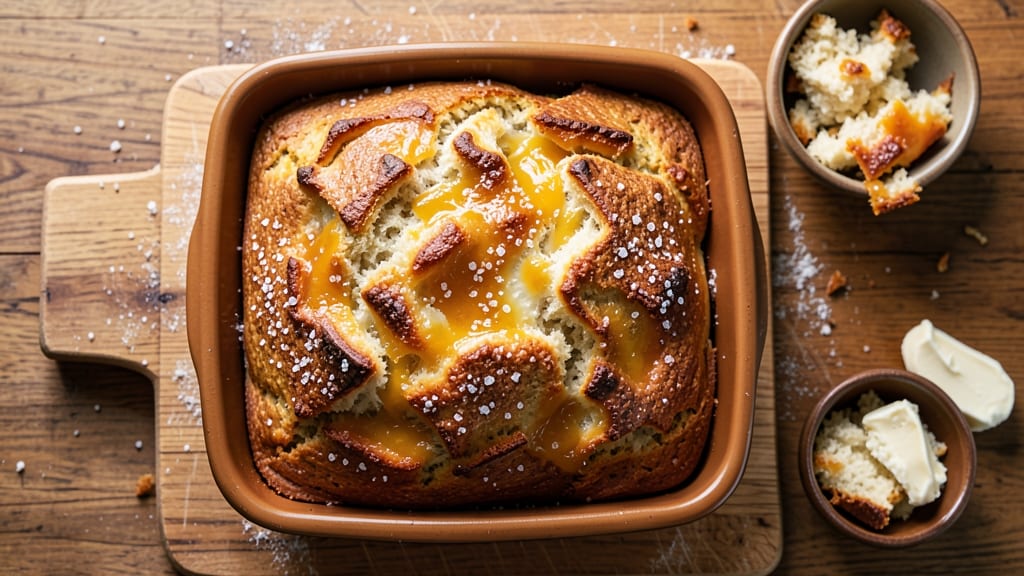
This Amish cheese bread recipe delivers the ultimate pull-apart loaf with rich, buttery layers and melty Swiss cheese that stretches into golden strands. The secret lies in a simple dough that develops flavor during a slow rise, creating that signature tender yet slightly crispy texture.
I've perfected this version after years of testing—no fancy techniques, just a foolproof method that works every time.
The beauty of this recipe is its simplicity: just a few ingredients transform into a showstopping side dish that pairs perfectly with soups, stews, or as a standalone appetizer.
The dough comes together in minutes, then rests while you prepare the cheese filling, which gets tucked into the center before baking. That first pull-apart bite reveals perfectly browned edges and warm, gooey cheese that makes everyone reach for seconds.
What sets this apart is the balance—crusty enough to hold its shape but soft enough to pull cleanly, with just the right amount of cheesiness that keeps it from being too heavy.
The buttery flavor comes through in every bite, while the Swiss adds that classic stretchy quality that defines Amish cheese bread. Once you try this version, you'll never go back to store-bought again.
Ready in under an hour with minimal effort, this recipe is perfect for holiday gatherings, family dinners, or even a cozy weeknight meal. The leftovers reheat beautifully, making it ideal for meal prep. Let's get started—your kitchen will smell like comfort food in no time.
Ingredients for amish cheese bread
Four cups flour, one packet yeast, and a touch of Swiss cheese transform into golden, pull-apart perfection.
| Ingredient | Amount | Notes |
|---|---|---|
| All-Purpose Flour 🌾 | 4 cups | Sifted for light texture |
| Granulated Sugar 🍚 | ½ cup | White or brown preferred |
| Active Dry Yeast 🍞 | ¼ oz | 1 packet, room temperature |
| Unsalted Butter 🧈 | ½ cup | Cold, cubed for dough |
| Milk 🥛 | ¾ cup | Warm, not hot |
| Large Egg 🥚 | 1 whole | Room temperature |
| Coarse Sea Salt 🧂 | 1 ½ tsp | Diamond Crystal preferred |
| Swiss Cheese 🧀 | 1 ½ cups | Shredded, Emmental if available |
| Sharp Cheddar Cheese 🧀 | ½ cup | Shredded, for depth of flavor |
| Garlic Powder 🧄 | ½ tsp | Freshly ground preferred |
| Black Pepper 🌶️ | ¼ tsp | Freshly cracked for heat |
| Cornmeal 🌽 | ¼ cup | For dusting baking sheet |
The flour is your foundation—King Arthur or Gold Medal brands work best for that tender crumb. Yeast is non-negotiable here; Fresh yeast needs rehydrating in warm milk first. For the butter, Plugrá or Land O'Lakes unsalted gives the best flavor, but any good-quality brand works. The Swiss cheese should be vibrant yellow with no orange tint—that's your freshness indicator. If you can't find Emmental, Gruyère is a worthy substitute. The cheddar adds depth, so don't skip it—sharp, aged varieties melt better than mild ones.
No Swiss cheese? Parmesan or provolone can fill in, though the texture won't be identical. Short on cornmeal? Semolina or crushed graham crackers work in a pinch. The garlic powder can be swapped for fresh minced garlic at half the amount, but it burns easily, so toast it first. For a richer dough, replace half the milk with heavy cream. The yeast packet must be fresh—if it's past its expiration, test it in warm water first. If it doesn't foam within 5 minutes, toss it and start over.
This dough needs time—at least 1 hour of rising at room temperature. For meal prep, shape the loaf and freeze it before baking—thaw overnight in the fridge before baking. The baked loaf keeps well for 3 days at room temperature or 1 week refrigerated. To reheat, wrap in foil and warm at 300°F for 10 minutes. The cheese filling can be prepped ahead and stored in the fridge for 2 days before baking.
Why You'll Love This Recipe
- No Yeast Struggles: I’ve made doughs that took forever to rise—this one? Just mix, let it sit for 30 minutes, and bake. The yeast works fast with that warm milk and sugar, so you’re not waiting around like it’s a science experiment.
- Sweet-Savory Magic: That buttery dough wrapped around sharp cheddar? It’s like a hug for your taste buds. The sugar caramelizes just enough to balance the tangy cheese, and the crust gets this perfect golden crack—crunchy outside, pillowy inside.
- Breakfast or Snack Hero: Serve it warm with jam for a lazy Sunday morning, or cut into squares for a quick lunchbox treat. My kids grab these straight from the fridge for school—no reheating needed, just pure, cheesy satisfaction.
- Pantry Staple Power: Five ingredients, all things you already own. No specialty cheeses or fancy flours—just flour, butter, milk, and a sprinkle of sugar. Plus, leftovers? They last days, and if they disappear too fast, well, that’s just how good it is.
Step-by-step instructions for Amish cheese bread
This recipe delivers a golden, pull-apart loaf with rich Swiss cheese pockets and buttery layers.
Activate the Yeast and Prepare the Dough
In a small bowl, combine the 0.75 cup warm milk with the 0.5 cup granulated sugar and 0.25 oz active dry yeast. Let it sit for 5-7 minutes until frothy—this confirms the yeast is active. If it doesn't bubble, your yeast may be dead, and you'll need to start over.
In a large bowl, whisk together the 4 cups all-purpose flour and 1.5 tsp coarse sea salt. Cut in the 0.5 cup cold unsalted butter using a pastry cutter or your fingers until the mixture resembles coarse crumbs. This step is crucial for creating flaky layers in the final bread.
Make a well in the center and pour in the yeast mixture along with the 1 whole large egg. Gradually mix until a shaggy dough forms. The dough will be sticky, but don't add extra flour—this prevents the bread from becoming too dense.
Knead and Incorporate Cheese
Turn the dough onto a lightly floured surface and knead for 5-7 minutes until smooth and elastic. If it feels too sticky, wet your hands slightly to prevent sticking. The dough should be soft but not overly tacky.
Press the dough into a rectangle about 12x10 inches on a floured surface. Sprinkle evenly with the 1.5 cups shredded Swiss cheese and 0.5 cup shredded sharp cheddar cheese, then fold the dough over itself like a letter. Seal the edges tightly to trap the cheese inside.
Return the dough to the bowl, cover with a damp towel, and let it rise in a warm place for 1 hour or until doubled in size. The dough should feel spongy and spring back slowly when pressed gently.
Shape and Second Rise
Punch down the risen dough to release air, then shape it into a 12x6-inch loaf on a parchment-lined baking sheet. Brush the top lightly with water and sprinkle evenly with 0.25 cup cornmeal for texture. Cover again and let it rise for 30-45 minutes until puffy.
Preheat your oven to 375°F while the dough rises. The second rise is critical—it ensures the bread has that signature pull-apart texture. If the dough doesn't puff noticeably, give it another 10 minutes in the warm oven to encourage expansion.
Bake to Golden Perfection
Bake the cheese bread for 25-30 minutes until the top is deep golden brown and the internal temperature reaches 190°F. The bread is done when it sounds hollow when tapped on the bottom. If the top browns too quickly, tent loosely with foil after 15 minutes to prevent over-browning.
Remove from the oven and let it cool for 10 minutes before slicing. The cheese should be fully melted, creating pockets of gooey goodness throughout. Serve warm with honey butter or marinara sauce for dipping.
Pro Tips For Making Amish Cheese Bread
- MEASURE MILK PRECISELY: This isn’t the kind of recipe where "a splash" works—use a liquid measuring cup for the milk. Too little and your dough gets stiff; too much and it turns gummy. I learned this after my first batch collapsed like a sad soufflé.
- LET YEAST BLOOM FIRST: Mix the yeast with warm milk (not hot—test with your finger, it should feel like bathwater) and a pinch of sugar, then wait 5 minutes until it foams. Skipping this step means your bread might rise unevenly or taste flat. Yes, it’s an extra step, but it’s the thing that matters most.
- DON’T OVERKNEAD THE DOUGH: Stop mixing once the dough pulls away from the bowl and looks slightly tacky—not sticky, not stiff. Overworking it develops gluten too much, and your bread turns out dense instead of tender. I used to go until my arm ached, but now I set a timer for 3 minutes after the dough clears the bowl.
- USE COLD BUTTER FOR LAYERS: Cut the butter into small cubes and chill them for 10 minutes before folding into the dough. Cold butter creates flaky, distinct layers instead of melting into a greasy mess. I was skeptical until I tried it—now I never skip it.
Wine and beer pairings for this amish cheese bread
Creamy White Wine
Amish cheese bread’s rich, buttery layers and melty Swiss cheese pair beautifully with a dry Riesling or Chardonnay. I love a New York Finger Lakes Riesling—its crisp acidity cuts through the richness while complementing the caramelized crust.
For a richer option, a California Chardonnay with subtle oak notes elevates the dish’s buttery depth. Serve slightly chilled to refresh your palate between bites. 🍷
Light Lager Balance
A crisp German Helles or American-style lager like Leinenkugel’s Summer Shandy offers a refreshing contrast. The light malt sweetness and mild hop bitterness cleanse your palate after each cheesy pull-apart bite.
For a hoppier option, try a Belgian Witbier—its citrusy notes brighten the dish’s richness. These beers keep the meal light and enjoyable, especially during warm weather. 🍺
Sweet Dessert Wine
If you’re serving this as a dessert course or with a sweet glaze, a Moscato d’Asti or Riesling Kabinett adds a delightful contrast. The slight sweetness mirrors the bread’s buttery notes while the acidity prevents it from feeling heavy.
I often pair this with a sparkling Moscato—its bubbles and fruitiness make it feel festive. Perfect for holiday gatherings or special dinners. 🥂
Craft Beer Pairing
For craft beer lovers, a sour wheat beer like Allagash White or a honey-infused ale such as Dogfish Head Honey Brown works wonders. The tartness of the sour beer balances the cheese’s richness, while the honey ale’s sweetness complements the bread’s caramelized crust.
Both options bring out the dish’s comforting qualities without overpowering them. 🍻
Coffee or Tea
If alcohol isn’t your preference, a robust dark roast coffee or Earl Grey tea pairs surprisingly well. The bitterness of coffee cuts through the fat, while the bergamot in Earl Grey adds a citrusy brightness.
I often enjoy a cold brew with this bread during summer—it’s a refreshing, caffeine-friendly option. ☕
Seasonal Adaptations
In summer, opt for sparkling water with lemon to keep things light. For fall and winter, a bold red wine like Pinot Noir or a dark ale adds warmth and depth to the meal.
The key is balancing the bread’s richness with something that enhances—not overwhelms—its flavors. Adjust based on the season and your mood! 🍂
Nutrition facts
Frequently asked questions
Can I make this Amish cheese bread without yeast?
This recipe relies on yeast for that signature pull-apart texture, but you can adapt it into a quick bread version. Replace the yeast with 2 teaspoons baking powder and 1 teaspoon baking soda, and reduce the milk to 0.5 cup. Skip the rising times and bake immediately at 350°F for 35-40 minutes. The result will be denser but still delicious!
Why did my cheese bread turn out dense instead of fluffy?
Dense bread usually means the yeast didn't activate properly or the dough didn't rise enough. Double-check your yeast by testing it in warm water first—it should foam within 5 minutes. Also, ensure you gave the dough enough time to rise in a warm place (at least 1 hour for the first rise). If your kitchen is cold, try placing the bowl near a warm oven with the light on.
Can I add other cheeses besides Swiss and cheddar?
For extra flavor, try adding 1/2 cup pepper jack for heat or 1/4 cup grated Parmesan for umami depth. Avoid overly soft cheeses like brie—they won't melt as cleanly. Pro tip: Pre-shredded cheese often contains anti-caking agents that prevent proper melting, so always shred your own!
How do I reheat leftovers without drying them out?
Wrap slices in a damp paper towel and reheat in the microwave for 20-30 seconds on medium power. For oven reheating, wrap the whole loaf in foil and warm at 300°F for 10-15 minutes. The foil traps moisture while the oven gently revives the texture. Never microwave uncovered—it creates rubbery bread!
Is this recipe gluten-free?
This version requires traditional wheat flour for the perfect texture, but you can make a gluten-free adaptation using a 1:1 gluten-free flour blend (like Bob's Red Mill). Add 1 teaspoon xanthan gum to help bind the dough. Note the texture will be slightly denser, and you may need to adjust baking time by 5-10 minutes longer.