
Breakfast & Brunch
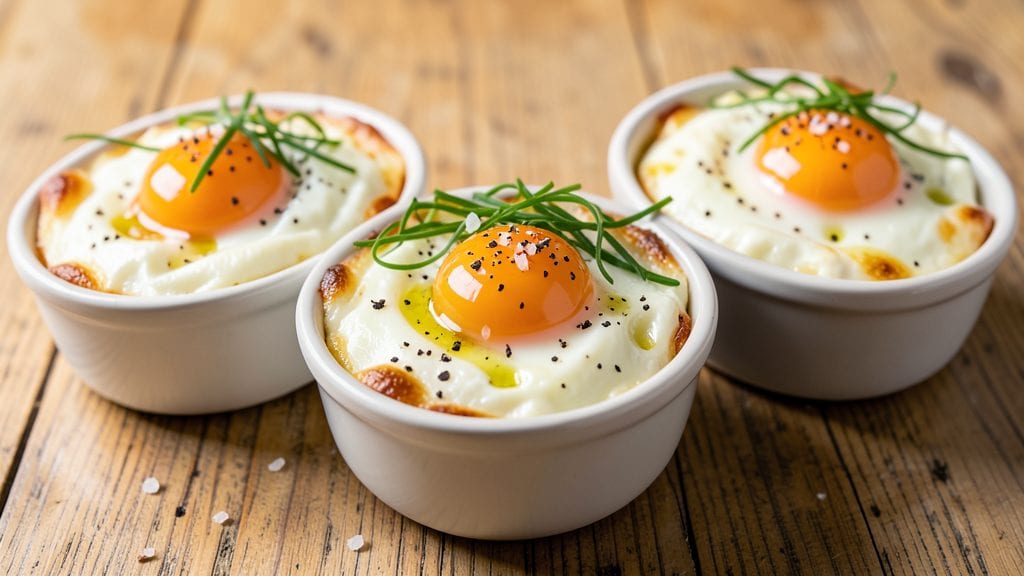
Gordon Ramsay’s baked cottage cheese eggs transform a simple breakfast into a restaurant-worthy dish with fluffy custard and perfectly set edges—all in just 20 minutes. The secret lies in balancing cottage cheese’s creaminess with eggs’ richness, creating a texture that’s both tender and elegant.
I’ve adapted this technique to ensure it’s foolproof while keeping the professional finesse Ramsay would approve of.
What makes this recipe shine is its ability to elevate humble ingredients into something luxurious. The cottage cheese adds a velvety base, while eggs provide structure, and a touch of salt and pepper enhances the natural flavors without overpowering them.
This method works for both brunch enthusiasts and busy weekdays—no fancy equipment required, just precision timing and oven control.
The result is a dish that’s visually stunning and deliciously satisfying: a golden, slightly crisp top with a custardy center that melts at the first bite. The presentation is just as important as the taste—think of it as a breakfast version of a perfect soufflé.
Whether you’re serving it as a weekend treat or a quick weekday meal, this recipe delivers restaurant-quality results at home.
Pair it with fresh herbs, toasted bread, or a simple salad to round out the meal. The versatility of this dish means you can adapt it for any occasion—from a lazy Sunday morning to a weeknight dinner. Let’s get started on creating your own fluffy, custardy masterpiece.
Ingredients for baked cottage cheese eggs gordon ramsay
Elevate breakfast with these refined ingredients—Gordon Ramsay’s technique transformed into a foolproof home dish.
| Ingredient | Amount | Notes |
|---|---|---|
| Large Eggs 🥚 | 4 whole | Room temperature for even baking |
| Full-Fat Cottage Cheese 🧀 | 1 cup | 2% or higher fat content preferred |
| Extra-Virgin Olive Oil 🫒 | 1 tbsp | Lightly coats the ramekins |
| Diamond Crystal Kosher Salt 🧂 | ½ tsp | Fine grain for even distribution |
| Freshly Ground Black Pepper 🌶️ | ¼ tsp | Cracked peppercorns preferred |
| Fresh Chives 🌿 | 1 tbsp | Finely chopped for garnish |
| Unsalted Butter 🧈 | 1 tbsp | Melted for ramekin preparation |
| All-Purpose Flour 🌾 | 1 tbsp | For dusting ramekins |
| Heavy Whipping Cream 🥛 | ¼ cup | Optional for extra richness |
| Freshly Grated Nutmeg 🌿 | ⅛ tsp | Fine zest for subtle warmth |
| Baking Dish 🍽️ | 1 whole | 8x8-inch for even heat distribution |
| Individual Ramekins 🍽️ | 4 whole | 4-ounce capacity preferred |
The cottage cheese selection is critical for texture. Full-fat varieties (2% or higher) deliver the creamy base Ramsay relies on, while lower-fat options risk graininess. Trader Joe's or Whole Foods carry excellent small-curd options—avoid the pre-drained supermarket brands. For the eggs, room temperature ensures even cooking; pull them from the fridge 30 minutes before baking. Freshly cracked peppercorns add depth that pre-ground can't match, and Penzeys Spice Shop sells them in convenient jars. The chives should be vibrant green with no wilting—Costco's bulk section often has the freshest bunches.
No full-fat cottage cheese? Greek yogurt blended with 1 tbsp cream mimics the texture, though the flavor will differ slightly. Substituting heavy cream for the olive oil? Reduce by 1 tbsp to maintain balance. Fresh chives unavailable? Dried chives at one-third the amount work in a pinch, though texture suffers. For the nutmeg, pre-grated from a fresh nutmeg is ideal—store-bought often contains anti-caking agents. The ramekins can be any oven-safe ceramic or glass, but 4-ounce capacity ensures proper portion size. If using a baking dish instead, reduce oven temperature by 25°F to prevent over-browning.
Prep the ramekins ahead: butter and flour them, then store at room temperature for up to 2 hours before baking. Cottage cheese and eggs can be mixed 1 day in advance and refrigerated, though the texture will firm slightly. Baked custards keep 3 days refrigerated in airtight containers, though texture degrades after day 2. For reheating, 30 seconds in the microwave restores custardy perfection. Freeze for 1 month by portioning into individual containers—thaw overnight in the fridge before reheating.
Why You'll Love This Recipe
- Two-Ingredient Magic: The eggs and cottage cheese do all the work—no fancy prep, no chopping, just crack, blend, and bake. Honestly, I’ve made this on lazy mornings when my coffee was still cold, and it still came out perfect.
- Creamy Crisp Contrast: That golden crust from the olive oil and salt? It’s the best part. The inside stays silky while the edges get this addictive crunch—like a cross between a frittata and a custard, but way better.
- Breakfast or Brunch Hero: Serve it for a solo morning or a crowd—it’s equally great. I’ve brought this to potlucks (yes, even for brunch) and had people asking for the recipe before dessert. Works hot or cold, too.
- Budget Breakfast Win: Full-fat cottage cheese stretches further than you’d think, and eggs are cheap. I’ve fed my family three servings from one batch, with leftovers that taste just as good reheated. Minimal cost, maximum flavor.
Step-by-step instructions for gordon Ramsay’s baked cottage cheese eggs
A perfect balance of creamy cottage cheese and fluffy eggs—this method delivers restaurant-quality texture every time.
Prepare the Ramekins for Even Cooking
Preheat your oven to 350°F and grease the 4 whole individual ramekins with the 1 tablespoon extra-virgin olive oil, ensuring every surface is lightly coated. Dust the interior with the 1 tablespoon all-purpose flour, tapping out any excess. This creates a nonstick barrier that prevents sticking and helps the custard set properly.
I like to use a pastry brush for the olive oil—it ensures an even, thin layer without pooling. The flour step is crucial; it not only prevents sticking but also adds a subtle texture contrast to the silky custard. Place the prepared ramekins in the whole baking dish to catch any potential spills during baking.
Whisk the Egg and Cottage Cheese Mixture
In a medium bowl, whisk together the 4 whole large eggs until the yolks and whites are fully combined and the mixture is uniform in color. Add the 1 cup full-fat cottage cheese, 0.5 teaspoon diamond crystal kosher salt, and 0.25 teaspoon freshly ground black pepper, whisking continuously until smooth. The cottage cheese should be completely incorporated with no visible lumps.
This is where texture matters most. I've found that using a wire whisk for at least 30 seconds creates tiny air pockets that translate to a lighter custard. If you see any curdling, strain the mixture through a fine-mesh sieve to ensure a silky finish. The mixture should be thick but pourable—like heavy cream.
Add Cream and Nutmeg for Depth of Flavor
Stir in the 0.25 cup heavy whipping cream and 0.125 teaspoon freshly grated nutmeg until fully combined. The cream adds luxurious richness while the nutmeg provides a subtle warmth that complements the eggs. Taste the mixture and adjust seasoning if needed—this is your chance to perfect the flavor before baking.
Here's the thing—nutmeg can be potent, so start with the full amount and adjust to taste. The cream should blend seamlessly, but if you prefer a lighter texture, you can reduce it to 0.125 cup while still maintaining excellent results. The mixture should now be smooth, flavorful, and ready for the oven.
Divide and Bake to Golden Perfection
Divide the egg mixture evenly among the prepared ramekins, filling each about ¾ full. Place the baking dish on the center rack of your preheated oven and bake for 18-20 minutes, until the tops are set but still slightly jiggly in the center. You're looking for a custard that's just firm enough to hold its shape when gently shaken.
Don't overbake—this is where many home cooks go wrong. The custard should be silky with a slight wobble in the center. If you prefer a firmer texture, you can extend baking by 1-2 minutes, but be careful not to dry out the eggs. The edges should be golden brown, indicating proper setting without burning.
Finish with Chives and Serve Immediately
Remove the ramekins from the oven and let them rest for 2 minutes before garnishing with the 1 tablespoon finely chopped fresh chives. The chives add a bright, fresh contrast to the rich custard. Serve immediately while still warm—this dish is best enjoyed right out of the oven when the custard is at its peak texture.
For an extra touch, you can melt the 1 tablespoon unsalted butter and drizzle it over the top just before serving. The butter adds another layer of richness that pairs beautifully with the creamy eggs. Each bite should deliver a perfect balance of fluffy egg, tangy cottage cheese, and subtle seasoning—just like you'd find in a high-end restaurant.
Pro Tips For Making Baked Cottage Cheese Eggs Gordon Ramsay
- Preheat Pan Properly: Get your oven rack in the middle position and preheat to 375°F (190°C) for 10 minutes—no rushing. I used to skip this, and the eggs would steam instead of develop that golden, custardy edge. Trust me, that extra heat-up time makes a real difference when you’re baking eggs in cottage cheese.
- Drain Cottage Cheese First: Line a colander with cheesecloth (or paper towels) and let the cottage cheese drain for 5–10 minutes before mixing. The extra moisture is sneaky—it’ll make your eggs watery instead of rich and set. Sounds weird, but it works: your texture will be silky, not soggy.
- Crack Eggs Gently: Use a separate bowl for cracked eggs—tap each shell lightly, then slide the egg out with your thumbs. No shell fragments in the mix, or you’ll end up with gritty bites. I learned this the hard way after finding a tiny shard in my first bite. (Your future self will thank you.)
- Salt the Cottage Cheese: Mix in ½ teaspoon of kosher salt directly into the cottage cheese before folding in eggs. The salt distributes evenly, and you avoid that "aftertaste" of plain cheese. Yes, even if the recipe doesn’t say it—this is the thing that matters most for depth of flavor.
Storing and reheating this baked cottage cheese eggs gordon ramsay
Refrigerator Storage
Store baked cottage cheese eggs in an airtight container for up to 3 days in the refrigerator. The custard will firm slightly but remains creamy when reheated properly. I use glass Pyrex containers because they maintain flavor better than plastic and allow for even reheating.
Always cool the ramekins completely before storing to prevent condensation buildup, which can make the texture soggy. 🧊
Freezer Storage
Freeze baked custards for up to 1 month by portioning into individual airtight containers with ¼-inch headspace to prevent cracking. I recommend silicone molds for easy removal after thawing. Let the custards cool completely before freezing—this prevents ice crystal formation that ruins texture.
Thaw overnight in the fridge for best results, as rapid thawing can create a watery consistency.
Microwave Reheating
For quick reheating, transfer a single serving to a microwave-safe dish and heat on medium power (50%) for 20-30 seconds. Stir gently, then heat in 5-second intervals until reaching 160°F internal temperature. The goal is to restore the custardy texture without drying it out.
I add 1 teaspoon heavy cream before reheating for extra moisture and richness. Cover loosely with a damp paper towel to retain steam. ⚡
Oven Reheating
Preheat your oven to 325°F and place the ramekins in a baking dish. Add 2 tablespoons hot water to the dish to create steam, then cover the ramekins with aluminum foil. Bake for 8-10 minutes until warmed through.
This gentle method preserves the delicate texture better than microwave reheating. For extra crispness on top, broil for 1-2 minutes at the end, watching closely to avoid burning.
Garnish Refresh
After reheating, refresh the presentation with freshly chopped chives and a sprinkle of flaky sea salt. I also like to add a drizzle of extra-virgin olive oil for brightness. The garnish not only enhances flavor but also makes the dish look freshly made.
For a smoky touch, add a pinch of smoked paprika to the reheated custard before serving. This step elevates the dish from reheated to restaurant-quality in seconds. 🌿
Texture Preservation
If your reheated custard seems dry, stir in 1 teaspoon heavy cream or whole milk to restore moisture. Overheating is the main culprit for texture loss, so always reheat gently.
For extra insurance, wrap the ramekins in parchment paper before storing to maintain their shape and prevent flavor absorption from other foods in the fridge. This simple step keeps each serving looking as good as the day it was made. 💡
Nutrition facts
Frequently asked questions
Why does cottage cheese make eggs fluffier in this recipe?
The cottage cheese adds moisture and fat that stabilizes the egg proteins, creating a lighter, airier texture than plain baked eggs. The curds also help distribute heat evenly during baking, preventing a dense center. This technique is inspired by French-style custards where dairy thickeners create silky results.
Can I make this recipe without ramekins?
Yes! Use a greased 8x8-inch baking dish and divide the mixture into 4 equal portions (about ¼ cup each). Bake at 325°F for 22-25 minutes instead of 350°F to prevent over-browning. The texture will be slightly denser at the edges but still delicious. For individual servings, use small oven-safe bowls or even silicone molds.
What's the secret to avoiding a rubbery texture?
Over-whisking the eggs or baking too long are the main culprits. Whisk just until combined (30 seconds max) and remove the custards when they're slightly jiggly in the center. The internal temperature should be 155-160°F. If using a thermometer, pull them out 2-3°F below your target temp—they'll carryover cook while resting.
How can I make this dish more savory?
Add ½ teaspoon smoked paprika or 1 tablespoon grated Parmesan to the egg mixture for depth. For a herby twist, fold in 1 tablespoon chopped dill or thyme with the chives. A pinch of garlic powder or onion powder also enhances the savory profile without overpowering the delicate flavors. The key is balance—start with small amounts and adjust to taste.
Can I bake these ahead of time for brunch?
Yes! Prepare the custards up to 1 day ahead and refrigerate in airtight containers. Reheat gently in the oven (325°F for 10 minutes) or microwave (50% power for 20 seconds) with a splash of cream. For brunch service, bake fresh and keep warm in a 200°F oven for up to 2 hours—this maintains the perfect custardy texture while keeping them ready to serve.