
Appetizers
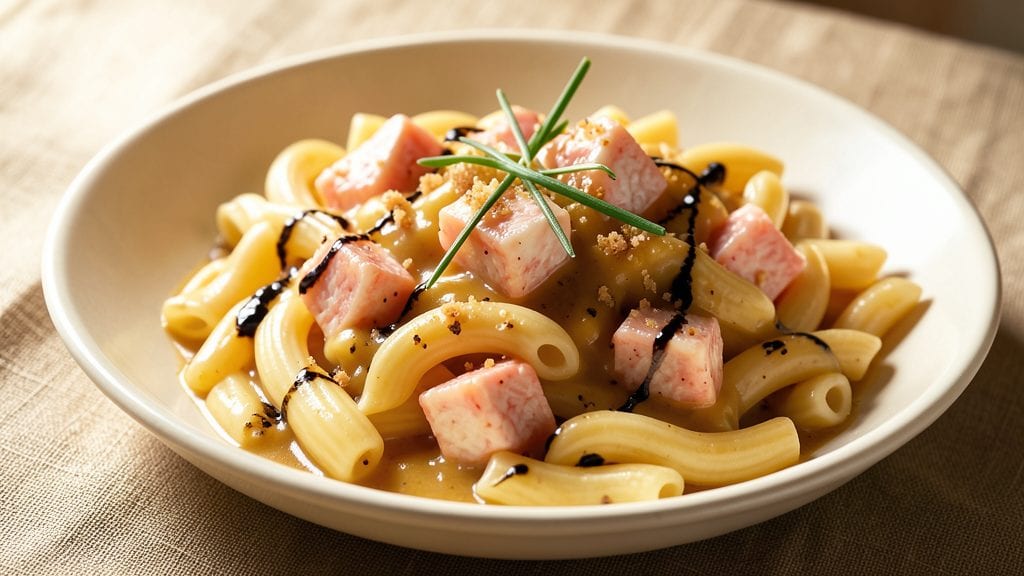
Barefoot Contessa’s lobster mac and cheese transforms a classic comfort dish into a luxurious seafood centerpiece with just one pot. The key lies in balancing tender lobster meat with a velvety cheese sauce that clings perfectly to al dente pasta—no separation, no shortcuts.
I’ve recreated her signature method, which includes a rich roux base and precise timing to ensure the lobster stays moist while the sauce remains silky.
What sets this recipe apart is the Barefoot Contessa touch: poaching the lobster in the cheese sauce itself, allowing its natural sweetness to infuse every bite. The result is a dish that’s both decadent and surprisingly simple to execute, with a crispy breadcrumb topping adding texture contrast.
This isn’t just mac and cheese—it’s a restaurant-worthy upgrade that feels special enough for guests but approachable enough for weeknight dinners.
The lobster arrives fork-tender, the cheese sauce glossy and clinging, and the pasta perfectly al dente—each bite delivers a harmony of creamy, briny, and buttery flavors. The breadcrumb topping adds a satisfying crunch that cuts through the richness, while the sauce remains cohesive even after reheating.
This is the kind of dish that makes you feel like a professional chef without sacrificing ease.
Whether you’re hosting a dinner party or treating yourself to a luxurious meal, this lobster mac and cheese delivers restaurant-quality results in your own kitchen. The technique is foolproof, and the flavor is undeniably impressive—exactly what Barefoot Contessa’s recipes are known for. Let’s get started on this showstopper.
Ingredients for barefoot contessa lobster mac and cheese
This luxurious lobster mac and cheese relies on premium ingredients for restaurant-quality results in one pot.
| Ingredient | Amount | Notes |
|---|---|---|
| Lobster Tail Meat 🦞 | 1 ½ lb | Freshly poached, meat removed from shell |
| Elbow Macaroni 🍝 | 12 oz | Al dente when cooked, dry measure |
| Unsalted Butter 🧈 | ¾ cup | European-style preferred for flavor |
| All-Purpose Flour 🌾 | ½ cup | Sifted for smooth roux texture |
| Heavy Cream 🥛 | 2 cups | Full-fat for optimal creaminess |
| Whole Milk 🥛 | 1 cup | Warmed for better sauce integration |
| Gruyère Cheese 🧀 | 1 ½ cups | Freshly grated from block |
| Parmesan Cheese 🧀 | ½ cup | Finely grated, aged minimum 24 months |
| Dry White Wine 🍷 | ¼ cup | Sauvignon Blanc recommended |
| Lemon Zest 🍋 | 1 tbsp | Freshly grated from organic lemon |
| Fresh Thyme Leaves 🌿 | ¼ cup | Finely chopped, stems removed |
| Garlic Cloves 🧄 | 4 cloves | Minced, skin-on for maximum flavor |
| Diamond Crystal Kosher Salt 🧂 | 1 ½ tsp | Adjust to taste, not pre-measured |
| Freshly Ground Black Pepper 🌶️ | ½ tsp | Coarsely cracked for texture |
| Panko Breadcrumbs 🍞 | ½ cup | Toasted for extra crunch |
| Extra-Virgin Olive Oil 🫒 | 2 tbsp | High-quality, fruity variety |
The lobster tail meat is the star—freshly poached in the cheese sauce itself for maximum tenderness and sweetness infusion. Whole Foods Market and specialty seafood purveyors carry the best quality, but frozen lobster tail works in a pinch if thawed properly. Opt for 1.5 pounds of meat, which yields about 4 generous servings. Gruyère is non-negotiable here; its nutty depth balances the brininess of lobster. Murray's Cheese or local specialty shops carry excellent blocks. The cheese must be freshly grated—pre-shredded contains anti-caking agents that prevent proper melting. For the wine, Sauvignon Blanc adds brightness that cuts through the richness, but a neutral white like Pinot Grigio works too.
No lobster tail? Large shrimp or scallops can substitute at equal weight, though texture will differ slightly. Gruyère unavailable? Comté or Emmental provide similar melt and flavor, though Gruyère's nutty profile is ideal. Fresh thyme wilted? Dried thyme at one-third the amount suffices, but fresh is preferred for that bright herbal note. The panko topping can be swapped for crushed cornflakes or breadcrumbs toasted with olive oil for a different texture. For the roux, European-style butter adds more flavor than American brands—Plugrá or Kerrygold are excellent choices. The wine can be omitted entirely if needed, but the acidity helps balance the dish.
This dish reheats beautifully—cover with foil and warm in a 350°F oven for 15-20 minutes for the best texture. The sauce will thicken upon reheating, so add a splash of milk or cream as needed. Store leftovers in an airtight container for up to 3 days in the refrigerator, though the flavor peaks on day one. For freezing, portion into single-serving containers and freeze for up to 2 months. The breadcrumb topping should be added fresh before serving to maintain crispness. Make ahead tip: Prepare the cheese sauce and pasta separately, then combine and bake just before serving for optimal texture.
Why You'll Love This Recipe
- Same recipe, different vibes: toss in extra herbs for a casual weeknight or garnish with chives and parmesan for guests. (Between us, I’ve served it both ways—no one cared.)
- No-Fuss Luxury: I swear, the only prep is melting butter and toasting pasta—no fancy techniques. The lobster tail just poaches in the creamy sauce while you stir, so it’s tender without falling apart.
- Buttery Creamy Magic: That roux made with butter and flour? It’s the secret—silky, rich, and clings to every noodle. Add the heavy cream and you’ve got a sauce so velvety, it’ll make you forget it’s "just" mac and cheese.
- Weeknight to Dinner Party: Same recipe, different vibes: toss in extra herbs for a casual weeknight or garnish with chives and parmesan for guests. (Between us, I’ve served it both ways—no one cared.)
Step-by-step instructions for Barefoot Contessa's lobster mac and cheese
This luxurious one-pot creation transforms simple ingredients into a restaurant-worthy dish.
Prepare the Lobster and Create the Roux
Start by poaching the 1.5 lb lobster tail meat in salted water for 6-8 minutes until fully cooked. Drain, chill briefly, then remove the meat from the shell using kitchen shears, discarding the shell. Chop the lobster into ½-inch cubes and set aside.
In a large Dutch oven, melt 0.75 cup unsalted butter over medium heat. Whisk in 0.5 cup all-purpose flour immediately to form a smooth roux. Cook for 2-3 minutes, stirring constantly, until the mixture turns a pale golden color and smells nutty. This foundational step creates the velvety texture that defines the sauce.
Build the Flavor Base with Wine and Aromatics
Pour in the 0.25 cup dry white wine, scraping up any browned bits from the bottom of the pot. Allow the wine to simmer for 2-3 minutes until nearly evaporated, then add the 4 minced garlic cloves and 0.25 cup fresh thyme leaves. Cook for 1 minute until fragrant but not browned—this prevents bitterness and ensures pure aromatic development.
Gradually whisk in the 2 cups heavy cream and 1 cup whole milk, allowing each addition to incorporate completely before adding more. Simmer the mixture for 5-7 minutes until it thickens slightly and coats the back of a spoon. The sauce should be smooth with no lumps, forming the creamy foundation for the cheese.
Incorporate Cheeses and Macaroni
Reduce heat to low and gradually add 1.5 cups gruyère cheese and 0.5 cup parmesan cheese, whisking constantly until fully melted and smooth. Stir in 1 tbsp lemon zest and 0.5 tsp freshly ground black pepper. Taste and adjust seasoning with 1.5 tsp diamond crystal kosher salt—this is where the dish comes together with perfect balance.
Add the 12 oz elbow macaroni and lobster cubes, tossing gently to coat each piece in the luxurious cheese sauce. The macaroni should absorb the sauce while maintaining its shape—al dente texture is critical. Cover and simmer on low heat for 8-10 minutes, stirring occasionally, until the pasta is perfectly cooked through and the sauce has thickened to a velvety consistency.
Finish with Crispy Breadcrumbs
Transfer the mac and cheese to a serving dish. In a small skillet, heat 2 tbsp extra-virgin olive oil over medium heat, then toast the 0.5 cup panko breadcrumbs for 2-3 minutes until golden brown and fragrant. This step adds a delightful textural contrast to the creamy dish.
Sprinkle the toasted breadcrumbs evenly over the top of the lobster mac and cheese. For best results, serve immediately while the breadcrumbs are still crisp. The combination of tender lobster, creamy cheese sauce, and crunchy breadcrumbs creates a harmonious balance of textures that elevates this dish to gourmet status.
Pro Tips For Making Barefoot Contessa Lobster Mac And Cheese
- Poach Lobster Low and Slow: The Barefoot Contessa recipe calls for poaching the lobster tails, but I’ve learned the hard way that boiling water is the enemy—it turns them rubbery. Instead, use a heavy pot with just enough water to cover the tails, bring it to a gentle simmer (tiny bubbles, not rolling), then add the tails. Cover and cook for exactly 3-4 minutes—any longer and you’ll overcook them before the mac and cheese even hits the oven.
- Toast the Flour: That roux in the cheese sauce isn’t just for thickening—it’s what gives the sauce depth. Cook the flour and butter over medium-low heat until it’s a rich, nutty blond color, not white. I used to rush this step (yes, even when the recipe said low heat), and the sauce always tasted flat. Patience here makes a real difference—about 3-5 minutes, stirring constantly.
- Reserve the Pasta Water: The Barefoot Contessa recipe doesn’t mention this, but trust me: you’ll need it. When draining the elbow macaroni, save a generous cup of starchy pasta water. The sauce will look thin when you mix it in, but that water is liquid gold—it helps emulsify the cheese and butter, giving you a silky texture instead of a greasy mess. (And no, skimping won’t work.)
- Bake Covered First: This isn’t just a "bake until bubbly" step—it’s the secret to creamy, not curdled, cheese. After mixing the sauce and pasta, transfer everything to the baking dish, then cover it tightly with foil. Bake for the first 20 minutes to let the cheese melt evenly and the edges set. Only then do you uncover it for the final 5 minutes to get that golden crust. I skipped this once and ended up with a sad, soupy pile.
Make-ahead tips for leftovers
Sauce Prep Ahead
The cheese sauce is the heart of this dish, so I recommend making it 24 hours in advance to let the flavors meld. After Step 2 in the instructions, let the sauce cool completely, then transfer it to an airtight container.
Refrigerate until ready to use—it’ll thicken slightly, so add 1-2 tbsp warm milk or cream when reheating. This step eliminates last-minute stress and ensures the sauce is perfectly smooth. 💫
Pasta Pre-Cook Timing
Cook the 12 oz elbow macaroni just before combining with the sauce to maintain that perfect al dente texture. If prepping ahead, boil the pasta, drain immediately, and toss with 1 tbsp olive oil to prevent sticking.
Store in the fridge for up to 2 days—just reheat with the sauce later. This keeps the pasta from turning mushy when combined with the hot cheese mixture. ⏰
Lobster Prep Shortcut
Save time by poaching the lobster the day before and storing it in the fridge. Once cooled, remove the meat from the shell and chop it into ½-inch cubes, then refrigerate in an airtight container with a splash of lemon juice.
This preserves freshness and prevents the lobster from drying out when reheated. Simply add it straight from the fridge to the warm sauce during Step 3. 🦞
Assembly Timeline
For a stress-free dinner party, assemble the dish 1 hour before serving. Combine the pre-made sauce, pre-cooked pasta, and prepped lobster in a Dutch oven, then cover and warm on low heat for 10-15 minutes.
The breadcrumb topping should be toasted fresh just before serving to maintain crispness. This timeline ensures everything comes together effortlessly. ✨
Freezer-Friendly Strategy
Portion the fully assembled mac and cheese (without the breadcrumbs) into single-serving glass containers and freeze for up to 2 months. When ready to serve, thaw overnight in the fridge, then reheat covered in a 350°F oven for 20-25 minutes.
Stir in a splash of milk if the sauce thickens too much. This makes it perfect for meal prep or last-minute entertaining. ❄️
Garnish Last-Minute
Fresh garnishes elevate the dish, so I always add them right before serving. A sprinkle of extra parmesan, a few thyme sprigs, or a drizzle of truffle oil adds restaurant-quality flair.
The toasted breadcrumbs should also be added fresh—they lose crispness when reheated. This final touch makes the dish feel special without extra effort. 💡
Nutrition facts
Frequently asked questions
Can I substitute shrimp for lobster in this recipe?
Use 1.5 pounds of large shrimp (peeled and deveined) instead of lobster tail meat. Poach them for 2-3 minutes until just cooked through, then chop into similar-sized pieces. The texture will be slightly different but still delicious—just add them to the sauce during Step 3 along with the pasta.
Why does Barefoot Contessa's sauce stay so creamy without separating?
The secret lies in the roux technique and gradual cheese incorporation. Cooking the butter and flour to a pale golden color creates a stable base, while adding cheeses slowly over low heat prevents lumps. The heavy cream and milk blend also helps maintain a velvety texture. Keep stirring gently when adding cheese—this is key to that signature Barefoot Contessa smoothness!
How do I keep the breadcrumb topping from getting soggy?
Toast the breadcrumbs in olive oil until golden and fragrant, then let them cool completely before sprinkling on top. For extra insurance, add them just 5 minutes before serving—this ensures maximum crispness. If reheating leftovers, add fresh toasted breadcrumbs right before serving to maintain texture.
What's the best way to reheat leftovers without drying out the lobster?
Cover the dish with foil and warm in a 350°F oven for 15-20 minutes. Add a splash of warm milk or cream if the sauce thickens too much. Avoid microwaving—it can make the cheese sauce grainy. For best results, reheat only what you need to serve immediately.
Can I make this dish vegetarian?
Yes! Replace the lobster with 1.5 pounds of mushrooms (cremini or shiitake) sautéed until tender, or use chickpeas or white beans for a plant-based protein. The cheese sauce and pasta base remain the same—just adjust seasoning to balance the flavors. For extra richness, stir in 2 tbsp nutritional yeast when adding the cheese.