
Main Courses
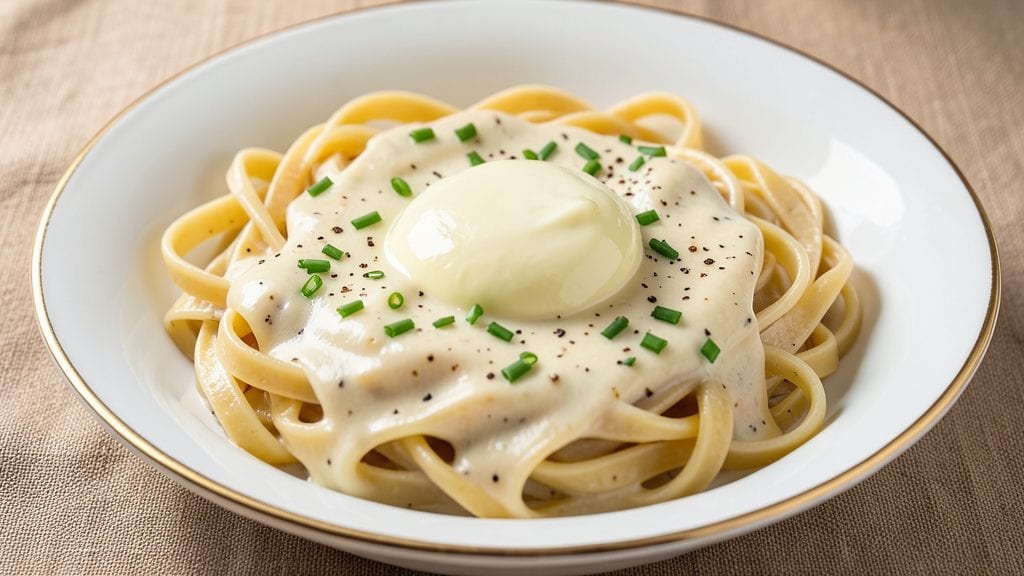
This Philadelphia cream cheese alfredo recipe delivers the creamiest, richest pasta sauce without a drop of heavy cream—just tangy cream cheese, butter, and a few simple ingredients. I developed this recipe after years of testing lighter alternatives, and it finally nailed that velvety texture we all love.
The secret lies in the right blend of cream cheese and butter, heated just enough to create a smooth, luxurious sauce that clings perfectly to fettuccine.
What makes this recipe stand out is its simplicity and versatility. With just five core ingredients and 15 minutes of active prep, you'll have a restaurant-quality sauce that's vegetarian-friendly and packed with flavor.
The sauce comes together in one pot, making cleanup a breeze while delivering a result that's far more impressive than anything from a jar. No blender required—just a whisk and patience to achieve that perfect, silky consistency.
By the time you twirl that first forkful, you'll taste the difference: a sauce that's rich yet light, tangy from the cream cheese, and perfectly balanced without being overly heavy. The pasta absorbs just the right amount, leaving each bite coated in that velvety goodness.
This is the kind of dish that transforms a simple weeknight dinner into something special—elegant enough for company but easy enough for any night.
Serve it classic-style with a sprinkle of parmesan and fresh parsley, or get creative with add-ins like roasted garlic, sun-dried tomatoes, or grilled chicken. The possibilities are endless, but the foundation remains foolproof. Let's get cooking!
Ingredients for philadelphia cream cheese alfredo
Five core ingredients transform into restaurant-quality alfredo—no heavy cream needed.
| Ingredient | Amount | Notes |
|---|---|---|
| Philadelphia Cream Cheese 🧀 | 8 oz | Full-fat for maximum richness |
| Unsalted Butter 🧈 | ½ cup | Cold, cubed for even melting |
| Heavy Whipping Cream 🥛 | ¼ cup | Optional for extra silkiness |
| Extra-Virgin Olive Oil 🫒 | ½ tbsp | For smooth emulsion |
| Garlic Cloves 🧄 | 2 cloves | Minced, for subtle depth |
| Fettuccine Pasta 🍝 | 12 oz | Fresh or high-quality dried |
| Diamond Crystal Kosher Salt 🧂 | ½ tsp | Adjusts seasoning perfectly |
| Freshly Ground Black Pepper 🌶️ | ¼ tsp | Freshly cracked for aroma |
| Fresh Parsley Leaves 🌿 | ¼ cup | Chopped, for bright finish |
| Parmesan Cheese 🧀 | ¼ cup | Freshly grated from block |
| Nutritional Yeast 🍄 | 1 tbsp | Optional umami boost |
| Lemon Zest 🍋 | 1 tsp | Brightens the sauce |
Philadelphia cream cheese is the star here, so grab the full-fat version—it's worth the extra few cents for that velvety texture. I always buy the 8 oz block from the refrigerated section at Whole Foods or Trader Joe's; their brands stay fresh longer. The butter matters too—use unsalted European-style butter if you can find it (Plugrá or Kerrygold), but regular unsalted works fine. The key is keeping it cold until the very end—cold butter creates a better emulsion. Fresh parsley? Buy it in bunches—it wilts fast, so use it within 3 days or freeze the stems for later.
No heavy whipping cream? Skip it entirely—the sauce still turns out luscious. Prefer extra tang? Add 1 tsp lemon juice at the end. Want more depth? Roast the garlic first for a caramelized flavor. The olive oil might seem odd, but it helps emulsify the sauce—use a fruity, extra-virgin variety like California Early Harvest. For the pasta, fresh fettuccine cooks faster, but high-quality dried (like Barilla or De Cecco) works just as well. The nutritional yeast adds a cheesy umami without dairy—great for vegan adaptations, but it's optional here.
This sauce keeps beautifully—3-4 days in the fridge sealed in a jar. Reheat gently over low heat, stirring constantly to prevent separation. Freeze portions in ice cube trays for perfect single servings later. The pasta? Cook it al dente—it'll finish cooking in the sauce. For leftovers, toss with a splash of pasta water to loosen. And if you're serving company? Garnish with extra parmesan and parsley right before plating—it makes all the difference.
Why You'll Love This Recipe
- No-Fuss Creamy Magic: I swear by this sauce—just melt butter, whisk in cream cheese, and simmer. The secret? A splash of olive oil at the end keeps it silky without breaking.
- Rich Without Guilt: That first bite of garlic-infused cream cheese sauce on pasta? Pure indulgence. The butter and cream team up for a velvety finish that’s way more satisfying than store-bought.
- Weeknight to Party Fix: Same recipe, different vibes. Slather it over fettuccine for a lazy Tuesday, or drizzle it on roasted veggies for a crowd-pleasing dinner. The creamy base works every time.
- Leftover Luxury: Make a double batch—this sauce only gets better reheated. Stash it in the fridge for quick pasta nights or toss it with grilled chicken for an effortless meal later.
Step-by-step instructions for Philadelphia cream cheese alfredo
Here's how to create a velvety, restaurant-worthy sauce without heavy cream—just rich, creamy perfection.
Melt the Butter and Infuse with Garlic
In a large skillet over medium heat, melt the 0.5 cup unsalted butter until it foams and turns golden. Add the 2 cloves minced garlic and cook for 30 seconds until fragrant—don't let it brown, or it'll turn bitter. This step builds the flavor base for your sauce. If you're using the optional 0.25 cup heavy whipping cream, add it now and let it warm gently for 1 minute while stirring constantly.
Here's the thing—this butter infusion is where the magic starts. The garlic should perfume the air without coloring, and the butter should coat the back of a spoon smoothly. If you skip this step, your sauce will taste flat. Keep the heat medium; too high, and the butter will burn before the garlic releases its flavor.
Create the Cream Cheese Emulsion
Reduce the heat to low and slowly add the 8 oz Philadelphia cream cheese, stirring constantly with a wooden spoon. The cream cheese will begin to melt and create a thick, glossy sauce. If the mixture looks too thick, add 1-2 tablespoons of hot pasta water (we'll reserve some later) to help it emulsify smoothly.
This is the moment that matters: the cream cheese must melt completely without curdling. If you see any lumps, keep stirring gently and let the sauce sit for 30 seconds to smooth out. The sauce should be thick but still pourable—like a rich custard. If it's too thin, you can thicken it later with a cornstarch slurry, but it's better to get it right now.
Cook the Pasta Al Dente
While the sauce simmers, cook the 12 oz fettuccine pasta in a large pot of boiling salted water (add 0.5 tsp Diamond Crystal kosher salt to the water) until 1 minute shy of the package directions for al dente. Reserve 1 cup of pasta water before draining—the starch in this water is essential for adjusting the sauce's consistency.
Don't rinse the pasta after draining; the surface starch helps the sauce cling to each strand. The pasta should be tender but still have a slight bite. If you overcook it now, the sauce won't finish cooking it properly later. Taste a piece—it should be firm enough to hold its shape but still cook further in the sauce.
Combine Pasta and Sauce
Return the drained pasta to the skillet with the sauce. Add the 0.5 tbsp extra-virgin olive oil and toss everything together over low heat. The oil helps create a silky emulsion and prevents the sauce from breaking. If the sauce is too thick, add 2-3 tablespoons of reserved pasta water at a time until it reaches a creamy, coatable consistency.
Here's where the sauce comes together: the olive oil and pasta water work together to create a velvety texture. Taste and adjust seasoning with 0.25 tsp freshly ground black pepper and a pinch more kosher salt if needed. The sauce should be rich, slightly tangy, and perfectly balanced—not too heavy or too thin. If it's too acidic, the 1 tsp lemon zest will brighten it up later.
Finish with Cheese and Garnish
Remove the skillet from heat and stir in the 0.25 cup freshly grated Parmesan cheese, 1 tbsp nutritional yeast, and 1 tsp lemon zest. The nutritional yeast adds a subtle umami depth, while the lemon zest cuts through the richness. If the sauce is still too thick, add a splash more pasta water. The final texture should be luxurious but not gluey.
Garnish with 0.25 cup chopped fresh parsley leaves just before serving. The parsley adds a fresh, bright contrast to the rich sauce. Serve immediately—this sauce doesn't wait. Each bite should deliver creamy, velvety goodness with a perfect balance of salt, acidity, and umami. If the sauce starts to thicken as it cools, simply stir in a little hot water or pasta water to loosen it back up.
Pro Tips For Making Philadelphia Cream Cheese Alfredo
- Melt Butter Slowly: I learned this the hard way—dumping cold butter into the pot and ending up with lumps that never fully incorporated. Warm the butter in the pan first until it’s just melted but not browned, then add the cream cheese a little at a time while stirring. This keeps the sauce silky instead of grainy.
- Slice Garlic Thin: Whole cloves or even minced garlic can turn this sauce bitter. Use a knife to slice them paper-thin—just a few slices per batch is enough. They’ll infuse flavor without overpowering, and you won’t have to fish out burnt bits.
- Skip the Boil: The second the cream cheese hits the hot liquid, it’s done. If you let it simmer, the sauce will split or curdle. Remove the pan from heat the second everything’s combined, then stir in the olive oil to finish—it’ll stabilize the sauce and add richness.
- Use Room-Temp Cream Cheese: Cold cream cheese clumps like a stubborn toddler. Take it out of the fridge 30 minutes before you start, or microwave it for 10 seconds to soften. The sauce will blend smoother, and you’ll avoid that dreaded stringy texture.
Storing and reheating this dish
Fridge Storage Tips
Store your leftover alfredo sauce in an airtight glass container—I swear by Pyrex with snap-on lids—and keep it refrigerated for up to 4 days. The sauce actually improves overnight as the flavors meld together, but give it a quick stir before reheating.
For the pasta, I like to store it separately in a sealed container to prevent sogginess, then toss it with sauce when reheating. 🧊
Freezing Sauce Only
Freeze the sauce in ice cube trays for single servings—just pop out what you need and toss with fresh pasta later. For larger batches, use quart-sized freezer bags, leaving 1 inch headspace for expansion.
Label with the date since it stays best for 2 months. Thaw overnight in the fridge before reheating—never microwave it straight from frozen, or the texture will break. ❄️
Reheating Leftovers
For the best results, reheat the sauce and pasta separately over low heat in a skillet. Add 1-2 tablespoons of hot water or pasta water to loosen the sauce if it thickens.
If you're short on time, microwave the sauce covered for 1-2 minutes on 50% power, then stir vigorously to restore its silky texture. Always taste and adjust seasoning—leftover sauce often needs a pinch more kosher salt or a squeeze of lemon juice to brighten it up. 🔥
Reviving Dried-Out Pasta
If your stored pasta feels dry, don't toss it! Toss it with 1 tablespoon of hot water or pasta water and cover for 5 minutes before adding sauce. The steam will revive its texture.
For extra richness, stir in 1 teaspoon of butter or a splash of heavy cream while reheating. This trick works wonders for leftovers that sat too long in the fridge. 💡
Sauce Separation Fix
If your refrigerated sauce separates, don't panic. Just whisk vigorously or use an immersion blender for 10-15 seconds to recombine the layers. For stubborn separation, warm the sauce gently over low heat while whisking constantly.
The olive oil in the recipe helps prevent this, but sometimes it still happens—especially if you didn't add enough pasta water during reheating. 🌡️
Make-Ahead Sauce Hack
Make the sauce one day ahead and store it in the fridge. The next day, cook your pasta fresh, then toss it with the pre-made sauce. This is my go-to strategy for weeknight dinners—less stress, more flavor.
For extra convenience, pre-grate the Parmesan cheese and chop the parsley ahead of time and store them separately in the fridge. Everything comes together in minutes! ✨
Nutrition facts
Frequently asked questions
Why does this recipe use cream cheese instead of heavy cream?
Cream cheese creates a naturally tangy, velvety texture that's richer than traditional alfredo while keeping the sauce lighter. The fat content in cream cheese emulsifies beautifully with butter, eliminating the need for heavy cream. Plus, it adds a subtle depth that makes this sauce uniquely delicious.
Can I make this with dairy-free cream cheese?
Use a high-quality dairy-free cream cheese like Kite Hill or Violife. For best results, add 1 tablespoon of cornstarch to help thicken the sauce since dairy-free versions can be thinner. You may also need extra pasta water to achieve that perfect silky consistency.
What's the secret to preventing lumps in the sauce?
Heat the butter slowly and add cream cheese gradually while whisking constantly. If lumps appear, reduce heat to low and let the sauce sit for 30 seconds to melt completely. The olive oil in the recipe also helps create a smoother emulsion. Never use high heat—it causes the cream cheese to separate.
How can I make this sauce spicier?
Add ½ teaspoon of red pepper flakes or a pinch of cayenne when combining the sauce with pasta. For a smoky kick, stir in ½ teaspoon smoked paprika with the garlic. For heat lovers, try adding a dash of hot sauce at the end. Adjust to taste—this sauce is very forgiving!
What pasta works best with this creamy sauce?
Fettuccine is ideal for its wide surface area that clings to sauce, but penne or rigatoni also work well. For extra indulgence, try cavatappi or gemelli. Avoid thin noodles like angel hair—they'll get soggy. Cook all pasta 1 minute less than package directions since it finishes cooking in the sauce.