
Appetizers
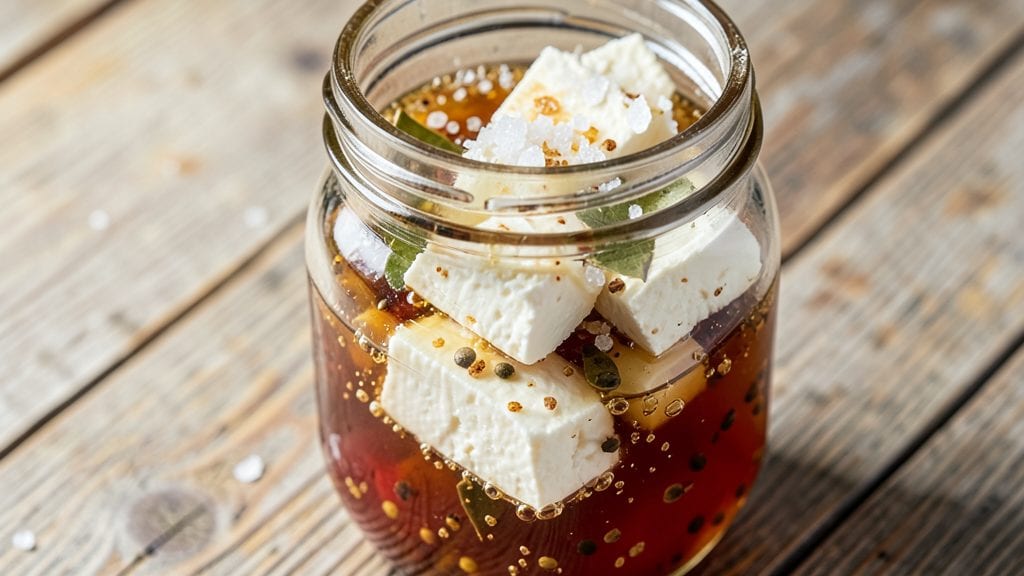
This Czech pickled cheese recipe brings the bold, tangy traditions of Moravian cuisine to your table with just minutes of active prep. The key lies in balancing sharp vinegar with sweet spices, creating a dish that's both crunchy and deeply flavorful—a staple in Czech homes for generations.
I first discovered this recipe while traveling through the countryside, where farmers would pickle cheese to preserve it through winter months.
The process is simpler than it sounds: fresh cheese cubes are submerged in a tangy brine of vinegar, sugar, and aromatic spices like mustard seeds and bay leaves.
What makes this dish special is how the flavors develop over time—the longer it sits, the more complex and satisfying the taste becomes. It's a perfect appetizer that pairs beautifully with traditional sides like buttery dumplings or crisp roasted potatoes.
What you'll end up with is a dish that's crispy on the outside, tender inside, and packed with that signature Czech tang. The pickling process transforms ordinary cheese into something extraordinary—bright, slightly sweet, and with a crunch that's impossible to resist.
This is the kind of recipe that transports you to a cozy Czech tavern with every bite.
Serve it as a standalone appetizer or alongside hearty Czech dishes for a true taste of tradition. The best part? It keeps well in the refrigerator for weeks, making it a perfect make-ahead dish for gatherings or family meals. Let's get started on this authentic Czech classic.
Ingredients for czech pickled cheese
Just nine ingredients transform simple cheese into tangy Czech tradition—crispy, sweet, and packed with bold flavors.
| Ingredient | Amount | Notes |
|---|---|---|
| Fresh Farmer's Cheese 🧀 | 1 ½ lb | Creamy, mild, like ricotta but firmer |
| White Vinegar 💧 | 2 cups | Distilled for best results |
| Granulated Sugar 🍚 | 1 cup | White or raw cane sugar |
| Bay Leaves 🌿 | 2 whole | Fresh or dried, removed before serving |
| Mustard Seeds 🌶️ | 1 tbsp | Yellow or brown, toasted for aroma |
| Salt 🧂 | 1 ½ tbsp | Kosher or sea salt |
| Allspice Berries 🌿 | 1 tsp | Crushed lightly for flavor |
| Black Peppercorns 🌶️ | 1 tsp | Crushed for subtle heat |
| Water 💧 | 1 ½ cups | Filtered or bottled preferred |
| Fresh Dill 🌿 | ¼ cup | Chopped, for garnish |
| Lemon Zest 🍋 | 1 tsp | Brightens the tangy flavor |
The cheese is everything here. Farmer's cheese (or Tvaroh if you can find it) gives that signature Czech texture—creamy but firm enough to hold its shape. Whole Foods or specialty European markets usually carry it, but ricotta or paneer work in a pinch (though texture won't be identical). Cube it evenly—about 1-inch pieces—so they pickle uniformly. If your cheese is too soft, chill it 30 minutes first. The vinegar? White vinegar is traditional, but apple cider adds a nice depth if you're feeling adventurous. Just don't use balsamic—it'll turn your brine into syrup.
No mustard seeds? Dijon mustard at 1 tsp gives similar warmth, though the seeds add that lovely crunch. Running short on bay leaves? Two sprigs of fresh thyme work beautifully. The allspice is non-negotiable though—it's the secret behind that authentic Moravian tang. Penzeys or bulk spice shops carry it whole, which is ideal. If you must use ground, toast it first in a dry pan for 30 seconds to wake up the flavor. Sugar can be swapped for honey (same amount), but it'll keep slightly longer. And if you're pickling for a crowd, double the brine ingredients—just keep the cheese-to-liquid ratio the same.
This gets better with time—at least 24 hours for flavor to develop, but 2-3 days is ideal. Store in a glass jar or airtight container in the fridge, submerged completely. The cheese stays crispy for up to 2 weeks, though the flavor peaks around day 5. For serving, drain and garnish with fresh dill. The brine? Strain and reuse for pickling veggies or drizzle over roasted meats—it's liquid gold. Freeze extras in ice cube trays for quick garnishes later.
Why You'll Love This Recipe
- No-Fuss Pantry Staples: I swear by this recipe because it uses what I already have—vinegar, sugar, and spices that don’t take up shelf space. The farmer’s cheese is the star, but the rest? Just a splash of vinegar and a pinch of mustard seeds to transform it.
- Tangy-Sweet Magic: That first bite? The vinegar and sugar create this perfect balance—bright, sharp, but with a creamy sweetness that makes you reach for another piece. The bay leaves add a subtle earthiness that ties it all together (I double them if I’m feeling fancy).
- Party Snack Hero: Between us, this is my go-to for gatherings because it’s easy to serve—no plates needed, just a bowl with crackers or crusty bread. Honestly, it disappears faster than store-bought cheese platters, and it’s half the cost.
- Lasts All Week: I make a big batch and keep it in the fridge for days—perfect for lazy mornings or when I forget to pack a lunch. The flavor actually deepens over time, so it’s never wasteful. My kids beg for it by Wednesday.
Step-by-step instructions for Czech pickled cheese
This traditional recipe transforms creamy farmer's cheese into tangy, crunchy bites perfect for snacks or charcuterie boards.
Prepare the Brine Solution
In a medium saucepan, combine the 1.5 cups water, 1 cup granulated sugar, and 1.5 tablespoons salt. Bring to a gentle boil over medium heat while stirring until the sugar and salt completely dissolve. This creates the flavorful base for pickling.
Remove the pan from heat and add the 2 whole bay leaves, 1 tablespoon mustard seeds, 1 teaspoon crushed allspice berries, and 1 teaspoon crushed black peppercorns. Let the mixture steep for 10 minutes to infuse the flavors. This aromatic blend is what gives Czech pickled cheese its signature depth.
Layer and Pack the Cheese
In a clean, quart-sized mason jar with an airtight lid, create a flavorful bed by adding 1 teaspoon lemon zest and ¼ cup chopped fresh dill to the bottom. This layer ensures each bite gets that bright citrus and herby punch.
Pack the 1.5 pounds fresh farmer's cheese into the jar, pressing down gently but firmly to remove air pockets. The cheese should fit snugly—if it doesn't, use a smaller jar. Leave about 1 inch of space at the top for the brine.
Pour and Seal the Brine
Carefully ladle the warm brine (with all the infused spices) into the jar until the cheese is completely submerged. This is crucial—any exposed cheese will develop mold. Use a wooden spoon to gently press the cheese down one more time to ensure everything stays covered.
Seal the jar tightly and let it cool to room temperature. This step prevents air bubbles from forming, which could compromise the pickling process. Once cooled, refrigerate for at least 24 hours before tasting. The longer it sits (up to 7 days), the more tangy and complex the flavor becomes.
Test and Enjoy
After refrigerating, check the texture—it should be firm with a slight bounce when pressed. The cheese will have absorbed the tangy brine and developed a satisfying crunch. Taste a small piece: it should balance creamy richness with bright acidity and subtle spice.
Serve chilled with a sprinkle of extra fresh dill and a drizzle of the pickling liquid for an authentic Czech experience. This versatile treat pairs beautifully with crusty bread, cured meats, or even as a tangy topping for salads. Store in the fridge for up to 3 months—the flavor only improves with time!
Pro Tips For Making Czech Pickled Cheese
- Boil the Vinegar First: I learned this the hard way—adding cold vinegar to hot cheese makes the mixture cloudy and uneven. Heat the vinegar and sugar together until dissolved (about 2 minutes), then pour over the cheese while still warm. This keeps the liquid clear and lets the flavors meld faster.
- Drain the Cheese Properly: Skip the mushy texture by pressing the cheese in a clean kitchen towel or cheesecloth for 10-15 minutes before pickling. It’s not the prettiest method, but it works—your cheese will hold its shape and absorb the brine better.
- Use Whole Mustard Seeds: Crushed seeds turn bitter and overpower the cheese. Toss them in whole—they’ll release flavor gradually without dominating. (Yes, even if you’re impatient like me, resist the urge to grind them.)
- Store in a Non-Reactive Jar: Glass is your friend here—metal or plastic can react with the vinegar, leaving off flavors. A clean, sterilized glass jar also lets you check the liquid level easily. Fill it tight, press down the cheese, then weigh it with a small plate if you’re worried about floaters.
Dietary considerations for this recipe
Dairy-Free Adaptations
If you're avoiding dairy, you can substitute the farmer's cheese with extra-firm tofu or cashew cheese for a similar texture. Press the tofu for 30 minutes before cubing it to mimic the firmness of pickled cheese.
For cashew cheese, blend 1 cup soaked cashews with 2 tbsp lemon juice, 1 tbsp apple cider vinegar, and ½ tsp salt until smooth, then chill until firm. The pickling process remains the same, but the flavor will be nuttier and less creamy. 🌱
Gluten-Free Considerations
This recipe is naturally gluten-free since it relies on cheese, vinegar, and spices. However, always double-check your farmer's cheese label to ensure no cross-contamination occurred during processing. If using mustard seeds, opt for certified gluten-free brands like Bob's Red Mill to avoid any hidden gluten.
The rest of the ingredients are inherently safe for gluten-free diets. ✨
Low-Sugar Options
To reduce sugar, replace the 1 cup granulated sugar with ½ cup honey or ¼ cup maple syrup, both of which add natural sweetness while cutting the total sugar content in half.
Alternatively, use sugar-free sweetener like erythritol (1:1 substitution), though it may slightly alter the texture of the brine. Taste the brine after steeping—if it’s too sharp, add a pinch more sweetener. 🍯
Spice Sensitivity Adjustments
If mustard seeds or allspice are too strong, reduce them to ½ teaspoon each or omit them entirely. For warmth, add ½ teaspoon ground ginger or ½ teaspoon smoked paprika to the brine instead.
These milder spices still enhance flavor without overpowering the tangy profile. Always taste the brine before pouring it over the cheese to balance the heat. 🌶️
Vegan-Friendly Swaps
For a fully vegan version, use extra-firm tofu or firm coconut yogurt (pressed to remove excess moisture) as the base. The pickling process works the same way, but the texture will be slightly softer.
Boost umami by adding 1 tbsp soy sauce or 1 tsp nutritional yeast to the brine. Garnish with vegan-friendly dill (ensure it’s certified) for a fresh finish. 🥬
Allergen-Free Tips
This recipe is nut-free and egg-free, but always verify ingredient labels for hidden allergens. If you’re sensitive to vinegar, substitute with lemon juice (use 2.5 cups instead of vinegar) for a milder tang.
For those avoiding sulfites, use organic vinegar or apple cider vinegar (both are typically sulfite-free). Store all ingredients in separate containers to prevent cross-contamination if multiple allergens are a concern. 💡
Nutrition facts
Frequently asked questions
What kind of cheese works best for this Czech pickled cheese?
Traditional recipes use farmer's cheese (similar to ricotta but firmer) or Tvaroh, which gives that signature Czech texture. If unavailable, ricotta or paneer work as substitutes, though texture may vary slightly. The key is using a fresh, mild cheese that holds its shape during pickling.
How long does it take for the cheese to pickle properly?
For best flavor, let the cheese pickle for at least 24 hours, but 2-3 days in the fridge yields the most authentic tangy taste. The longer it sits (up to 7 days), the more complex the flavor becomes. Always keep the cheese fully submerged in the brine to prevent spoilage.
Can I reuse the pickling liquid after opening the jar?
Yes! The leftover brine is incredibly versatile. Strain out any spices and use it to pickle vegetables, drizzle over roasted meats, or even mix into dressings. It keeps well in the fridge for up to 3 months, making it a flavorful pantry staple. Just avoid reusing it on cheese to prevent contamination.
What if my cheese turns moldy or smells off?
If you notice any mold spots or an off smell, discard the cheese immediately. This can happen if the cheese wasn't fully submerged in the brine or if the jar wasn't sealed properly. Always use a clean, airtight container and ensure the cheese is completely covered with the tangy liquid. When in doubt, toss it—food safety first!
How can I make this recipe spicier or sweeter?
For extra heat, add ½ teaspoon cayenne pepper or 1 sliced jalapeño to the brine. To sweeten, increase the sugar to 1.5 cups or add 1 tablespoon honey. You can also adjust the mustard seeds—use 1.5 tablespoons for more bite. Taste the brine before pouring to balance flavors perfectly.