Desserts
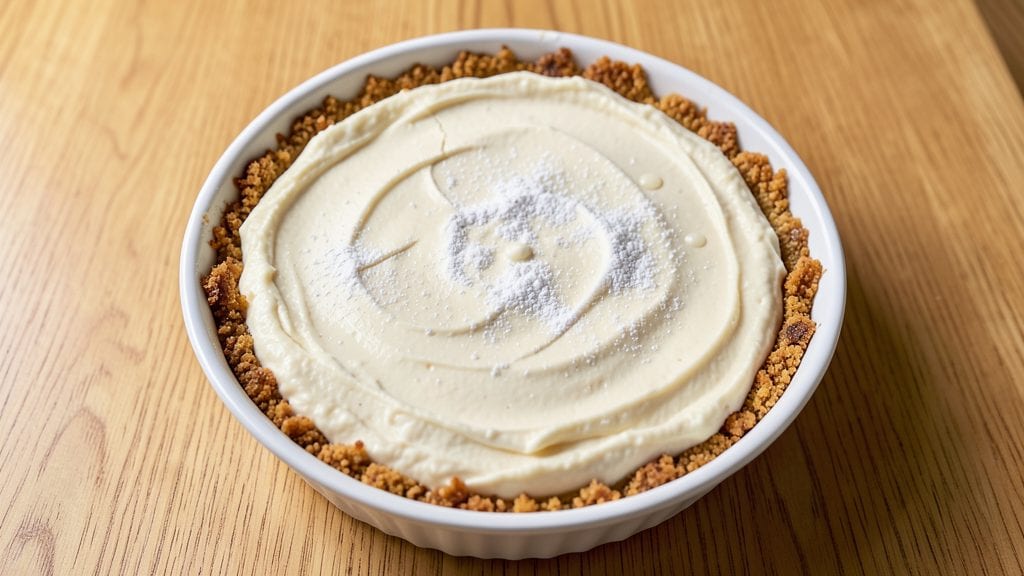
This Philadelphia cream cheese New York cheesecake recipe delivers the perfect balance of rich, velvety filling and a buttery graham cracker crust—just like the classic you love, but with a silky twist.
The secret lies in using a precise ratio of cream cheese to sour cream for that signature smooth texture, while a water bath ensures a crack-free finish every time. I've perfected this method over years of baking, and it never fails to impress.
The crust starts with a simple blend of graham cracker crumbs, melted butter, and a touch of sugar, pressed into the pan for maximum flavor in every bite. Once baked, the filling goes in—cream cheese, eggs, sugar, and vanilla—mixed just until smooth to avoid overworking the delicate batter.
Baking at 325°F for 50-60 minutes guarantees a creamy center without overcooking the top.
What sets this recipe apart is the cooling process: a gradual chill in the oven followed by refrigeration for at least 4 hours (or overnight) transforms the cheesecake into a silky masterpiece.
The result? A dense, creamy slice with a clean break and no graininess—just pure, restaurant-quality dessert. Serve it plain or with fresh berries for a touch of brightness.
For those who love modern twists, try swirling in lemon curd or adding a layer of caramelized fruit before baking. The possibilities are endless, but the foundation remains the same: a foolproof method for the perfect slice every time. Let's get baking!
Ingredients for philadelphia cream cheese ny cheesecake
Rich cream cheese, buttery crust, and precise technique—here’s everything you need for a flawless slice.
| Ingredient | Amount | Notes |
|---|---|---|
| Philadelphia Cream Cheese 🧀 | 16 oz | Full-fat, room temperature |
| Sour Cream 🥛 | 8 oz | Full-fat for creaminess |
| Granulated Sugar 🍚 | 1 ½ cups | Light brown preferred |
| Large Eggs 🥚 | 4 whole | Room temperature preferred |
| Pure Vanilla Extract 🌸 | 2 tsp | High-quality, pure vanilla |
| Graham Cracker Crumbs 🍪 | 2 cups | Fine, unsweetened preferred |
| Unsalted Butter 🧈 | 1 cup | Melted, cooled slightly |
| Powdered Sugar 🍚 | 2 tbsp | For crust sweetness |
| Light Cornstarch 🌾 | 2 tbsp | Prevents cracking |
| Salt 🧂 | ½ tsp | Fine sea salt |
| Lemon Juice 🍋 | 1 tbsp | Freshly squeezed |
| Heavy Whipping Cream 🥛 | ½ cup | Optional for swirls |
| Fresh Blueberries 🫐 | 1 cup | Optional fruit layer |
The cream cheese is non-negotiable—Philadelphia brand delivers the smoothest texture, and full-fat is a must for that classic richness. Room temperature is critical; cut the block into chunks and let it sit for 2 hours before mixing. For sour cream, full-fat La Choy or Kroger brand work perfectly, but avoid non-fat versions. The sugar matters too: light brown adds subtle caramel notes, while granulated keeps it classic. Eggs should be room temperature—cold eggs cause cracks. Trader Joe's or Whole Foods carry high-quality vanilla extract; imitation won’t cut it here.
No Philadelphia cream cheese? Whipped cream cheese (like Neufchatel) works in a pinch, but texture will differ slightly. Substitute sour cream with Greek yogurt at half the amount, but expect a tangier result. For sugar, coconut sugar adds depth, though it’s pricier. Diamond Crystal baking powder (not aluminum-based) is ideal for the crust, but Bob’s Red Mill works too. The cornstarch is key—it’s what prevents cracks. Arrowhead Mills makes a great organic version. Fresh berries? Blueberries or raspberries hold their shape best when baked into the filling.
This cheesecake needs patience—4+ hours in the fridge is non-negotiable for that silky texture. Wrap tightly in plastic and store for up to 5 days. For freezing, slice first, then freeze for up to 3 months. Thaw overnight in the fridge. The crust stays crisp for 3 days if stored separately in an airtight container. Leftovers? Reheat slices in the microwave for 15 seconds—just enough to soften the cream cheese without melting the crust.
Why You'll Love This Recipe
- No-Bake Magic: I swear by this recipe when I’m too tired to turn on the oven. Just mix the cream cheese and sour cream until smooth—no waiting, no fuss—then let it set overnight. The texture? Silky, dense, and exactly what you’d expect from a classic NY cheesecake, but with half the effort.
- Vanilla Kiss Perfection: That first spoonful of vanilla-infused cream cheese filling? It’s like a hug for your taste buds. The sour cream keeps it light, while the vanilla extract (don’t skimp—use the good stuff) ties everything together into something dangerously addictive. Honestly, I’ve made this for people who “don’t like cheesecake,” and they still ask for seconds.
- Party Ready: This is my secret weapon for gatherings—whether it’s a last-minute potluck or a holiday dessert spread. Slice it, serve it, and watch it disappear. (Yes, even on a Tuesday night.) The best part? It keeps beautifully in the fridge for days, so you’re not stuck scrambling for dessert ideas.
- Budget-Friendly Luxury: Philadelphia cream cheese and eggs are pantry staples, and this recipe uses them just right—no wasted ingredients. Between us, this is the kind of dessert that makes you feel fancy without breaking the bank. Plus, the sour cream stretch goes a long way, so you’re not left with half a tub of cream cheese staring at you.
Step-by-step instructions for Philadelphia cream cheese New York cheesecake
Here's how to create a classic New York cheesecake with silky swirls and a buttery crust—every layer perfect.
Prepare the Buttery Crust
In a medium bowl, combine the 2 cups graham cracker crumbs, 1 cup melted unsalted butter (cooled slightly), and 2 tablespoons powdered sugar. Mix until evenly moistened—you want the crumbs to cling together without being overly wet. Press this mixture firmly into the bottom of a 9-inch springform pan, creating an even layer.
Use the back of a measuring cup to press down firmly, ensuring the crust is compact and covers the entire bottom. Chill in the refrigerator while you prepare the filling—this prevents the crust from softening when you add the warm cheesecake batter. A properly chilled crust stays crisp and holds its shape during baking.
Mix the Cheesecake Filling
In a large mixing bowl, beat the 16 oz Philadelphia cream cheese and 8 oz sour cream together on medium speed until completely smooth—this should take about 2-3 minutes. The mixture should be creamy and free of lumps. Add the 1.5 cups granulated sugar and beat until fully incorporated.
Add the 4 whole large eggs, one at a time, beating well after each addition. This gradual approach prevents curdling, which can happen if all eggs are added at once. Stir in the 2 teaspoons pure vanilla extract and 1 tablespoon lemon juice. The lemon juice brightens the flavor and helps balance the richness of the cream cheese.
Incorporate Stabilizers and Pour the Batter
Sift in the 2 tablespoons light cornstarch and 0.5 teaspoon salt over the mixture. Gently fold these dry ingredients into the batter using a spatula, being careful not to overmix—this step ensures a smooth, crack-free texture. Pour the batter evenly over the chilled crust, spreading it out with a spatula to create an even layer.
For the blueberry swirl, gently fold 1 cup fresh blueberries into the batter along one side of the pan. Use a knife to swirl the blueberries through the batter, creating marbled patterns. This technique keeps the fruit distributed evenly without overmixing, which could cause sinking.
Bake at Low Temperature for Smooth Texture
Preheat your oven to 325°F—this lower temperature is key to preventing cracks and ensuring a silky texture. Place the cheesecake in the center rack and bake for 50-55 minutes. The edges should be set, but the center should still jiggle slightly when shaken—this indicates it's not fully cooked but won't be underdone.
To check doneness, insert a toothpick into the center. It should come out with a few moist crumbs, not liquid batter. If it's still wet, return it to the oven for 5-10 more minutes. Overbaking leads to a dry cheesecake, so watch carefully. Once done, turn off the oven and let the cheesecake cool inside for 1 hour—this gradual cooling prevents cracking.
Chill and Serve
After the cooling period, remove the cheesecake from the oven and let it cool to room temperature. Then, refrigerate for at least 6 hours—ideally overnight. This chilling time is crucial for the cheesecake to set properly, developing its signature creamy texture. When ready to serve, run a thin knife around the edges to loosen it from the pan.
Slice with a warm knife for clean cuts, and serve chilled. The result should be a rich, velvety cheesecake with a crisp buttery crust and vibrant blueberry swirls. For extra flair, top with a dollop of 0.5 cup heavy whipping cream or a sprinkle of powdered sugar before serving.
Pro Tips For Making Philadelphia Cream Cheese Ny Cheesecake
- Soften Cream Cheese First: Take the block out of the fridge 24 hours before baking—no, I’m not exaggerating. Cold cream cheese mixes like a brick and traps air bubbles, leading to a dense, crumbly texture. Room temperature makes it silky and ensures that sour cream blends in smoothly without lumps.
- Whisk Eggs Separately: Beat the eggs alone first until frothy, then gently fold them into the cream cheese mixture. This keeps the batter light and prevents curdling, which I learned the hard way after a batch turned into a sad, grainy mess. Use room-temperature eggs too—they incorporate better.
- Skip the Overmixing: Mix just until combined—no need to turn it into batter for pancakes. Overworking the batter adds gluten and makes the cheesecake dense. A few swirls with a spatula are all you need; the texture will still be smooth.
- Water Bath at 325°F: Bake the cheesecake in a water bath at 325°F, not higher. I used to rush it at 350°F and ended up with cracks or a rubbery center. The lower temp ensures even cooking and a creamy finish—no one wants to wait, but patience here pays off.
Troubleshooting this dish
Cracked Top Fix
If your cheesecake develops cracks during baking, it’s usually due to overmixing the batter or opening the oven too soon. To prevent this, whisk the batter just until combined—no need to overbeat.
For a cracked top, brush the cracks with egg wash (1 egg + 1 tbsp water) and return to the oven at 300°F for 10-15 minutes to set the surface. This creates a smooth, golden finish without overcooking the center. 🔥
Soggy Crust
A soggy crust happens when moisture seeps through during baking. To avoid this, press the crust firmly into the pan and chill it for at least 30 minutes before adding the filling.
For extra insurance, line the pan with parchment paper before pressing the crust, then remove it after baking to reveal a clean edge. If the crust still softens, bake the cheesecake on the lower oven rack for the first 15 minutes to crisp it faster. ❄️
Grainy Texture
Graininess often stems from cold cream cheese or eggs or overmixing. Ensure your cream cheese and eggs are room temperature (about 70°F). Beat the batter on low speed for 2-3 minutes max to avoid incorporating air bubbles that can create texture issues.
If the cheesecake still feels grainy after baking, blend the filling with an immersion blender for 10 seconds before pouring it into the crust. 💫
Sunken Center
A sunken center usually means the cheesecake wasn’t baked long enough or the oven wasn’t hot enough. To fix this, bake at 325°F for 55-60 minutes until the edges are set but the center still jiggles slightly.
If it sinks after baking, try increasing the cornstarch to 3 tbsp next time for better stability. For a quick fix, spread a thin layer of warm caramel sauce on top after baking to disguise the dip. 💡
Dry or Crumbly
Overbaking or using too much flour can make your cheesecake dry. To avoid this, bake until the edges are set but the center is slightly underdone (a toothpick should come out with moist crumbs).
If it’s already dry, reheat slices in the microwave for 10-15 seconds with a damp paper towel covering them to restore moisture. For a richer texture, reduce sugar slightly to 1.25 cups and add 2 tbsp heavy cream to the batter. 🥄
Stuck to Pan
If your cheesecake sticks to the springform pan, it’s likely because the crust wasn’t chilled long enough or the pan wasn’t properly greased. Before baking, coat the pan with nonstick spray and line the bottom with parchment paper.
After baking, run a thin knife around the edges and let it cool completely before removing. If it still sticks, place the pan in the freezer for 10 minutes to contract the cheesecake slightly, making it easier to release. 🧊
Nutrition facts
Frequently asked questions
Why does this recipe use Philadelphia cream cheese instead of regular cream cheese?
Philadelphia cream cheese has a higher fat content and smoother texture compared to generic brands, which prevents graininess in the final dessert. The full-fat version also creates that signature creamy, velvety mouthfeel that defines classic New York-style cheesecakes.
Can I make this cheesecake without a water bath?
Yes, but you'll need to adjust your baking approach. For a water bath-free version, bake at 300°F instead of 325°F for 60-70 minutes to prevent cracking. The lower temp helps moisture evaporate gradually. However, the water bath method still guarantees the most reliable crack-free results.
How do I prevent the crust from getting soggy?
Press the crust firmly into the pan and chill it for 30 minutes before adding filling. For extra protection, line the pan with parchment paper before pressing the crust, then remove it after baking. Baking on the lower oven rack for the first 15 minutes also helps crisp the crust faster.
What's the best way to add flavor variations to this recipe?
Try swirling in 1 cup lemon curd or 1/2 cup caramel sauce before baking for a modern twist. For fruit lovers, fold in 1 cup fresh berries or 1/2 cup chopped chocolate into the batter. The key is to keep mixing gentle to maintain the smooth texture.
How long can I store leftovers, and how do I reheat them?
Store covered in the refrigerator for up to 5 days or freeze sliced portions for 3 months. To reheat, microwave individual slices for 10-15 seconds with a damp paper towel covering them to restore creaminess. Never reheat the whole cheesecake at once.